
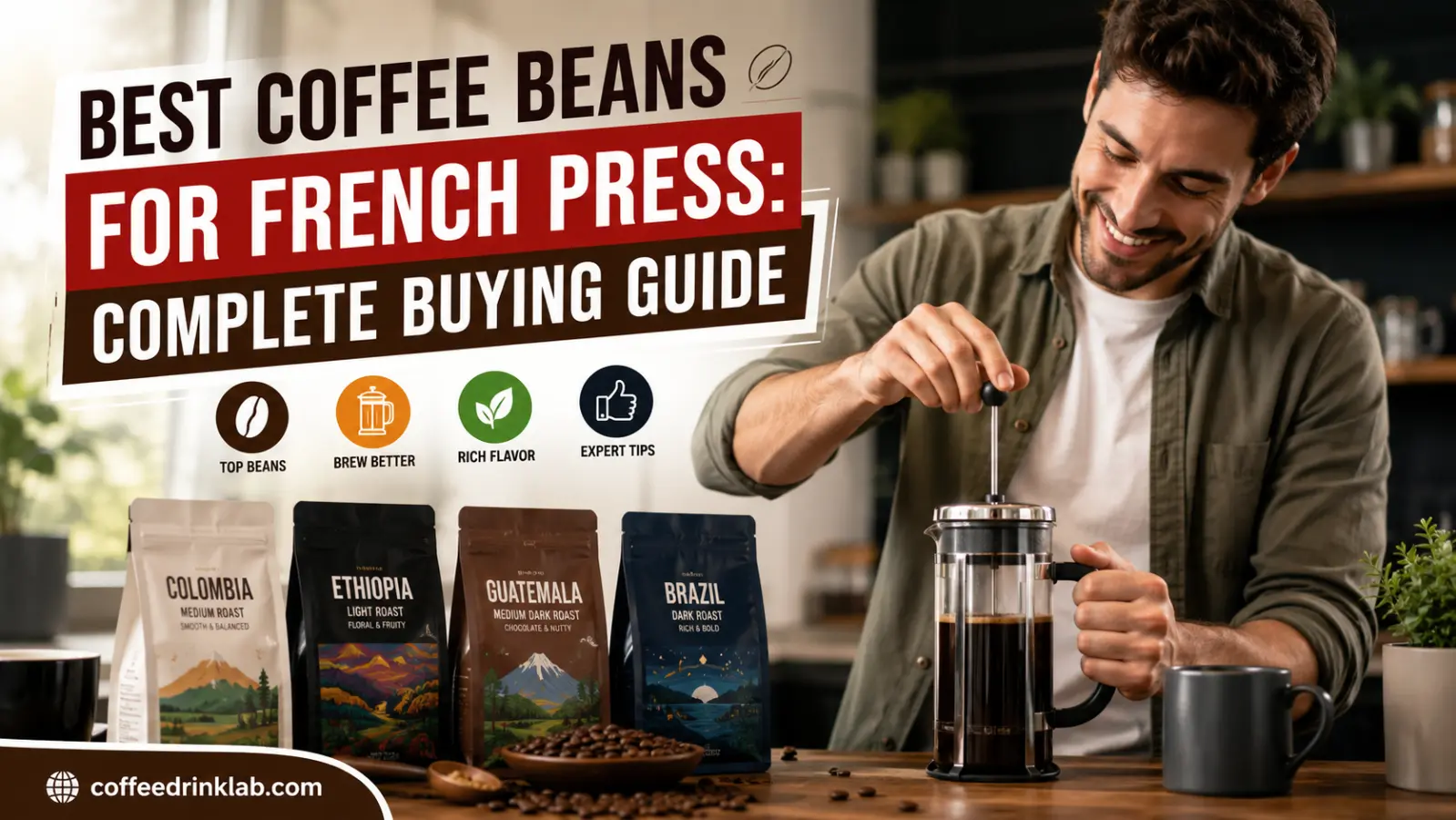
Best Coffee Beans for French Press: How to Choose the Right Beans
If you’re searching for the best French press coffee beans, choosing the right beans can make a noticeable difference in the flavor, aroma, and body of your coffee. The best coffee to use for French press is usually fresh, whole-bean coffee that matches your preferred roast and flavor profile. Good French press coffee beans should be fresh, flavorful, and suitable for a coarse grind, which helps produce balanced extraction with less sediment.
Whether you prefer smooth chocolate and nutty notes, bright fruity flavors, or a rich and bold cup, the right beans can bring out the full character of French press coffee.
In this guide, you’ll learn how to choose fresh beans, compare roast levels and origins, find the right French press coffee beans grind, and use the proper coffee-to-water ratio for a better brew.
What Makes Coffee Beans Good for French Press?
A French press creates a bold, full-bodied cup by steeping coffee grounds directly in hot water before separating them with a metal filter. Because there is no paper filter to absorb the natural oils, every characteristic of the beans becomes more noticeable. That means both exceptional beans and lower-quality beans stand out.
Furthermore, the right coffee beans provide balanced sweetness, pleasant acidity, and a smooth finish. Freshly roasted beans with a coarse grind produce the cleanest flavor while minimizing sediment in the cup. If you’ve ever wondered why café French press coffee tastes richer than homemade coffee, the beans are often the biggest reason.
1.What Are the Best Coffee Beans for French Press Brewing?
When selecting the best coffee beans for French press brewing, several factors work together to create a delicious cup.
- Freshly roasted within 2–4 weeks
- Whole beans ground just before brewing
- Medium or coarse grind size
- High-quality arabica beans
- Flavor notes that match your preferences
- Single-origin or carefully crafted blends
Most importantly, freshness matters more than almost any other factor. Even premium beans lose much of their aroma after several weeks once opened.
Understanding Coffee Bean Types
Choosing between different bean varieties is easier when you understand how each one affects your cup.
Arabica Beans for the Best Coffee Beans for French Press Brewing
Arabica is widely considered the gold standard for specialty coffee. These beans are naturally sweeter, more aromatic, and more complex than most alternatives. Consequently, they produce a balanced French press with notes of chocolate, fruit, nuts, caramel, or flowers depending on their origin.
Why coffee lovers choose Arabica:
- Smooth flavor
- Lower bitterness
- Bright acidity
- Wide variety of flavor notes
- Excellent for black coffee
What Coffee Type Is Best for a French Press?
The quality of good French press coffee beans depends on more than just their origin or roast level. Freshness, grind size, flavor profile, and brewing preferences all influence the final cup. In general, French press works well with many coffee types, but medium-roast whole beans are an excellent starting point because they offer a balanced combination of sweetness, acidity, body, and aroma.
If you prefer fruity and floral notes, a light-roast Ethiopian or Kenyan coffee can be an excellent choice. For a richer, chocolatey, and nutty cup, try a medium or medium-dark roast from Colombia, Brazil, or Guatemala. Regardless of the type you choose, fresh whole beans and a coarse grind can help you get better results from your French press.
French Press Coffee Beans Grind: Why Coarse Grind Matters
The grind size is an important part of making great French press coffee. For French press coffee beans coarse grind brewing, grind fresh whole beans just before you start brewing, choose fresh whole beans and grind them coarsely just before brewing. The beans themselves are not coarse; rather, the grinder determines the size of the coffee particles. A coarse grind works well because French press coffee grounds remain in contact with water for several minutes, allowing for controlled extraction while reducing excessive sediment.
A burr grinder is the best choice for producing a more consistent grind than a blade grinder. If the grounds are too fine, the coffee can become bitter, over-extracted, and muddy because smaller particles extract more quickly and can pass through the metal filter. If the grind is too coarse, the coffee may taste weak or under-extracted. Start with a coarse, even grind and adjust it slightly according to your taste and brewing time.
Choosing the Right Roast Level
Roast level dramatically changes how coffee tastes in a French press. Fortunately, there isn’t one “perfect” roast it depends on what you enjoy.
1. Light Roast French Press Coffee
Light roast beans preserve the bean’s original characteristics. You’ll notice brighter acidity, fruity notes, and floral aromas. Additionally, these coffees often showcase the unique qualities of their growing region.
Flavor profile
- Citrus
- Berry
- Floral
- Tea-like finish
Best for
- Single-origin coffees
- Coffee enthusiasts
- Delicate flavors
2. Medium Roast
Medium roast is often considered the sweet spot for French press brewing. It balances acidity, sweetness, and body without overwhelming the coffee’s natural flavors.
Furthermore, medium roasts work well whether you drink your coffee black or with a splash of milk.
Common tasting notes include:
- Chocolate
- Caramel
- Toasted nuts
- Brown sugar
- Honey
Single-Origin vs. Coffee Blends
One question many coffee drinkers ask is whether single-origin beans or blends make better French press coffee.
1. Single-Origin Beans for Best Coffee Beans for French Press Brewing
Single-origin coffee comes from one country, region, or even one farm. As a result, each coffee tells a unique story through its flavor profile.
Many coffee enthusiasts appreciate how these beans highlight regional characteristics, making every cup an exploration of different coffee-growing areas.
Popular origins include:
- Colombian coffee – balanced chocolate, caramel, and nutty flavors
- Ethiopia – floral and fruity
- Guatemala – cocoa and spice
- Costa Rica – citrus and honey
- Kenya – berry and wine-like acidity
Colombian coffee is especially suitable for French press brewing if you prefer a balanced cup with noticeable sweetness and a smooth body.
2. Coffee Blends
Blends combine beans from multiple origins to create a consistent flavor throughout the year.
Additionally, many specialty roasters carefully design blends specifically for French press brewing because they offer a balanced body, sweetness, and finish.
Blends are ideal for:
- Everyday coffee
- Consistent flavor
- Beginners
- Milk-based coffee drinks
- Budget-conscious buyers
Best Flavor Profiles for French Press
One of the greatest advantages of using a French press is how clearly it highlights flavor notes. Since the metal filter allows coffee oils to remain in the cup, flavors feel richer and more textured than many drip brewing methods.
1. Chocolate and Nutty Flavors for Best Coffee Beans for French Press Brewing
Chocolate-forward coffees are among the easiest to enjoy because they’re naturally smooth and balanced. These beans often come from Central and South America and pair wonderfully with breakfast pastries or desserts.
Look for tasting notes like:
- Milk chocolate
- Cocoa
- Hazelnut
- Almond
- Brown sugar

2. Fruity and Floral Coffees
If you’re interested in exploring specialty coffee, fruity and floral beans provide an exciting experience. Ethiopian and Kenyan coffees often deliver bright berry, citrus, and jasmine notes that stand out beautifully in a French press.
Although these coffees are lighter in body, they offer incredible complexity for adventurous coffee drinkers.
What Coffee Beans Do French Press Drinkers Recommend?
Coffee enthusiasts often have different opinions about the best beans for French press, but several choices are commonly appreciated. Medium-roast beans are popular because they provide a balanced combination of sweetness, acidity, and body. Freshly roasted Ethiopian coffees are a good option for fruity and floral flavors, while Colombian beans can provide smooth chocolate and caramel notes. Chocolate-forward blends are also suitable for drinkers who prefer a richer and more traditional cup. Regardless of the origin or roast, using fresh whole beans and a coarse grind is more important than choosing one specific coffee brand.
Top French Press Coffee Beans to Try
The top French press coffee beans depend on the flavor profile you enjoy. Colombian beans are a great choice for chocolate and caramel notes, Ethiopian beans offer fruity and floral flavors, while Brazilian beans can provide a smooth, nutty cup. Medium-roast Arabica beans are a reliable starting point for most French press drinkers.
How Freshness Affects the Best Coffee Beans for French Press Brewing
Even the best French press coffee beans can produce a disappointing cup if they have lost their freshness. Look for a clear roast date and choose whole beans whenever possible.Freshly roasted beans retain the aromatic oils and compounds that create sweetness, complexity, and a satisfying finish. Ideally, buy whole beans roasted within the last two to four weeks and grind them immediately before brewing.
Furthermore, proper storage extends freshness. Keep your beans in an airtight container away from heat, light, and moisture. Avoid storing coffee in the refrigerator, as humidity and food odors can negatively affect the flavor.
1. Signs Your Coffee Beans Are Fresh
Fresh beans are easy to recognize once you know what to look for.
- Roast date clearly printed on the bag
- Pleasant, rich aroma when opened
- Whole beans with an even appearance
- No stale or papery smell
- Consistent flavor from cup to cup
How to Choose the Best Coffee Beans for French Press
When shopping for press beans, look for fresh whole coffee beans that offer a balanced flavor and work well with a coarse grind. for a smooth, comforting cup, while fruity and floral beans offer brighter and more complex flavors. Medium-roast Arabica is a versatile option for everyday brewing, whereas medium-dark or dark-roast blends can provide a richer and bolder taste. Use the table below as a starting point when choosing good coffee beans for French press.
Updated for 2026: Coffee preferences and availability can change, but the basics of great French press coffee remain the same. Fresh whole beans, the right roast level, a coarse grind, and proper brewing technique are still important factors for making a flavorful cup.
| Preference | Recommended Beans |
|---|---|
| Smooth everyday coffee | Medium-roast Arabica |
| Chocolate & nutty | Colombian or Brazilian medium roast |
| Fruity & floral | Ethiopian or Kenyan light roast |
| Balanced & sweet | Central American medium roast |
| Rich and bold flavor | Medium-dark or dark roast blend |
| Lower bitterness | Medium roast Arabica |
| More caffeine | Robusta-containing blend |
| Exploring specialty coffee | Single-origin Arabica |
Additionally, always purchase whole beans whenever possible. Grinding them just before brewing preserves flavor and aroma better than using pre-ground coffee.
Brewing Tips for the Best Coffee Beans for French Press Brewing
Even premium beans need proper brewing techniques to reach their full potential. Fortunately, a few small adjustments can dramatically improve your coffee.
Start with a coarse grind, which prevents over-extraction and reduces sediment in the cup. Use filtered water heated to about 200°F (93°C), then steep the coffee for approximately four minutes before slowly pressing the plunger.
French Press Coffee Beans to Water Ratio
The French press coffee beans to water ratio is important for achieving a balanced and flavorful cup. A good starting point is 1:15, which means using about 1 gram of coffee for every 15 grams of water. For example, use around 30 grams of coarsely ground coffee with 450 grams of water. If your coffee tastes too strong, add slightly more water; if it tastes weak, increase the amount of coffee.
For consistently delicious results:
- Use a burr grinder instead of a blade grinder.
- Measure coffee with a scale for accuracy.
- Stir gently after adding water.
- Pour immediately after pressing to prevent bitterness.
Most importantly, don’t be afraid to experiment. Small changes in grind size or brewing time can noticeably affect the flavor..
Common Mistakes to Avoid
Even experienced coffee lovers occasionally make mistakes that affect the final cup. Fortunately, these are easy to avoid with a little attention to detail.
Using a fine grind is one of the most common errors. Fine grounds over-extract during immersion brewing, creating bitterness and excessive sediment. Likewise, using boiling water can scorch the coffee and mute its sweeter notes.
Other mistakes include:
- Buying stale pre-ground coffee
- Storing beans in direct sunlight
- Brewing for too long
- Using too little coffee
- Forgetting to clean the French press thoroughly
Keeping your equipment clean is especially important because old coffee oils quickly become rancid and affect future brews.
The Final Talk
Choosing the best coffee beans for french press is one of the simplest ways to elevate your daily coffee ritual. Whether you prefer a smooth medium roast, a bold dark roast, or a vibrant single-origin coffee, the right beans make every cup more flavorful and enjoyable. Most importantly, focus on freshness, whole beans, and a coarse grind to get the most from your French press.
Ultimately, great coffee is a personal journey. Try beans from different regions, experiment with roast levels, and adjust your brewing technique until you discover your perfect cup. As your palate develops, you’ll begin to notice subtle tasting notes that make every brew unique. With quality beans and a little practice, your French press can consistently produce café-worthy coffee right at home.
FAQs:
Medium-roast whole Arabica beans are an excellent starting point for French press coffee. They offer a good balance of sweetness, acidity, body, and aroma. However, the best beans depend on your taste. Ethiopian beans work well for fruity and floral flavors, while Colombian or Brazilian beans are good choices for chocolatey and nutty notes.
Medium roast is one of the most versatile choices for French press because it provides balanced flavor and body without overpowering the coffee’s natural characteristics. Light roasts are better for bright fruity and floral flavors, while medium-dark and dark roasts are suitable for richer, bolder cups.
A coarse grind is generally recommended for French press brewing. Coarse grounds allow controlled extraction during the longer immersion time and help reduce excessive sediment. Grind the beans just before brewing and adjust the size slightly if your coffee tastes too weak or too bitter.
Yes. Arabica beans are a popular choice for French press because they can provide smooth sweetness, balanced acidity, and complex flavor notes. Fresh Arabica beans from origins such as Colombia, Ethiopia, Guatemala, and Brazil can produce excellent results when ground coarsely and brewed properly.
Almost any roasted coffee bean can be used in a French press, but the results will vary depending on the roast, origin, freshness, and grind size. Fresh whole beans with a coarse grind are generally a better choice than stale or pre-ground coffee.
Discovers More Blends
Can Coffee Beans Go Bad in Storage?(2026)
How Much Coffee Beans Per Cup? Perfect Brew Guide(2026)
Hazelnut Coffee Beans: Flavor, Roasts & Brewing(2026)







5 Comments