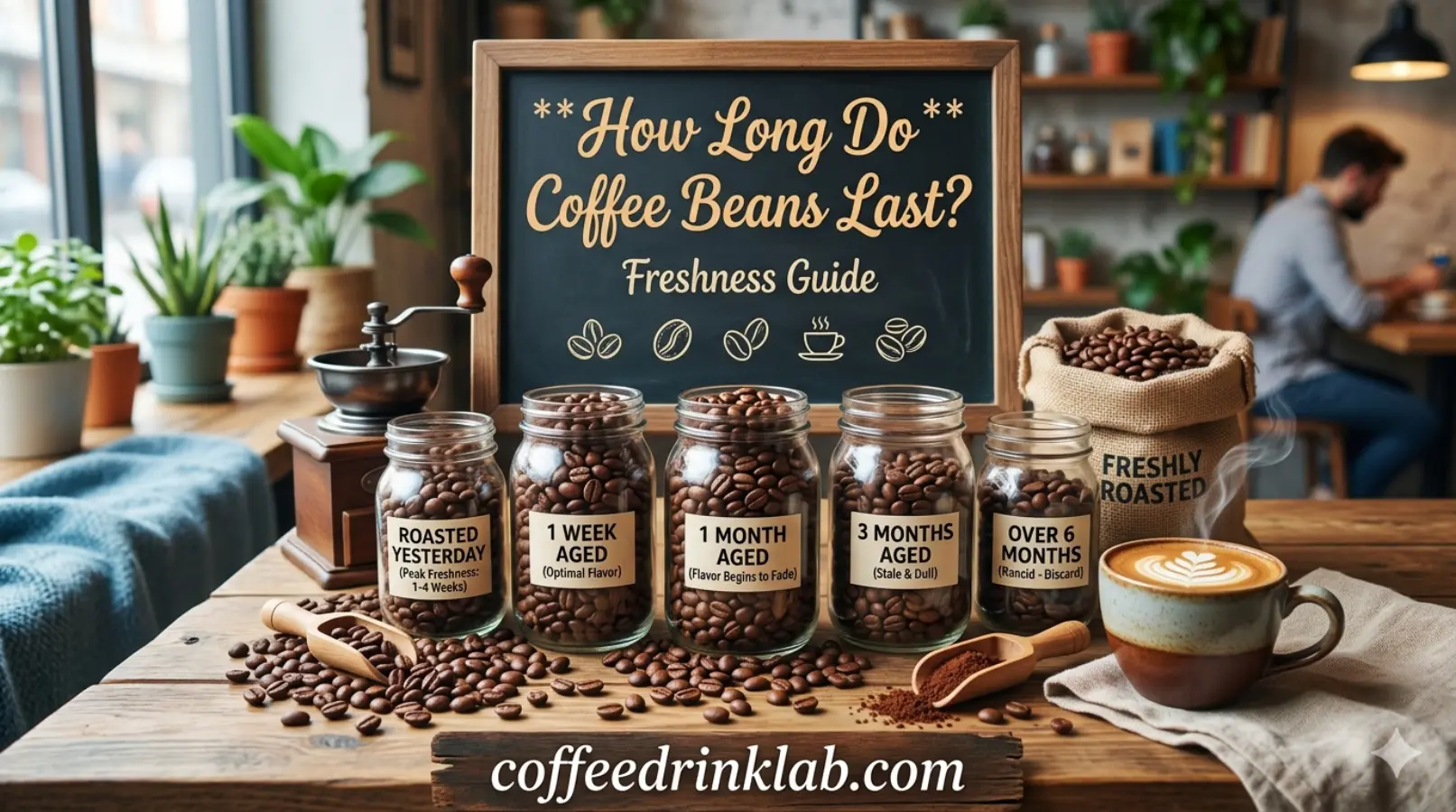
How Long Do Coffee Beans Last? Freshness Guide
If you’ve ever wondered how long do coffee beans last, you’re not alone. Whether you buy specialty beans, supermarket coffee, or espresso beans, understanding coffee bean shelf life helps you enjoy better flavor while avoiding stale coffee.
Many people also ask do coffee beans expire or how long do whole coffee beans last after opening the bag.
The good news is that whole coffee beans can stay fresh for weeks when stored properly, although they gradually lose aroma and flavor over time. In this guide, we’ll explain everything about Explained, storage methods, shelf life, and how to keep your beans tasting their best.
Do Coffee Beans Expire?
One of the most common questions coffee drinkers ask is do expire. Technically, do not expire like fresh milk or meat, but they do become stale over time. As oxygen, light, heat, and moisture affect the beans, they lose their oils and aromatic compounds. While older beans are usually safe to brew if stored correctly, they won’t deliver the same rich flavor or aroma as freshly roasted
Coffee Bean Shelf Life Chart
| Coffee Type | Best Flavor Window | Typical Shelf Life |
|---|---|---|
| Unopened whole beans | 2–6 months | Up to 12 months |
| Opened whole beans | 2–4 weeks | 2–6 months |
| Vacuum-sealed beans | 3–9 months | Up to 1 year |
| Frozen whole beans | 6–12 months | Over 1 year |
| Ground coffee | 1–2 weeks | 3–5 months |
Although beans may remain safe to drink after these periods, flavor quality steadily declines.
How Long Do Whole Coffee Beans Last?
How long do whole coffee beans last? Whole beans generally stay fresh much longer than pre-ground coffee because less of the bean is exposed to oxygen. When stored in an airtight container in a cool, dark place, unopened whole often maintain their quality for several months. After opening, most coffee experts recommend using them within two to four weeks for the best flavor.
How Long Are Espresso Beans Good For?
Many people ask how long are espresso beans good for. Espresso beans follow the same freshness timeline as other roasted . For the richest crema and balanced flavor, they’re best used within two to four weeks after opening. Once espresso beans become stale, shots lose sweetness, crema decreases, and extraction becomes less consistent.
Why Coffee Beans Lose Freshness
contain oils, gases, and aromatic compounds created during roasting. As soon as roasting ends, those compounds begin breaking down.
Furthermore, exposure to oxygen causes oxidation, which gradually dulls flavor. Meanwhile, heat, moisture, and sunlight accelerate the process even more. As a result, coffee can start tasting flat and lifeless long before it becomes unsafe.
The Main Enemies of Fresh Coffee
- Oxygen
- Heat
- Moisture
- Light
- Frequent temperature changes
Most importantly, minimizing exposure to these elements helps preserve freshness longer.
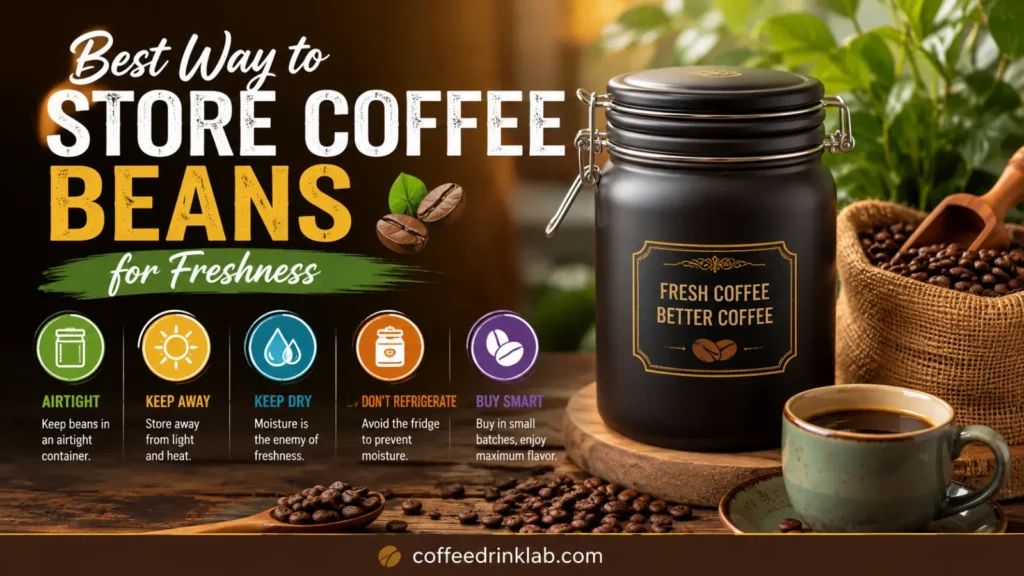
Best Way to Store Coffee Beans for Freshness
I’ve experimented with nearly every storage method over the years, and one thing consistently makes the biggest difference: proper storage.
The best coffee storage setup is surprisingly simple. You don’t need expensive equipment—just protection from air, light, heat, and humidity.
Best Way to Increase Coffee Bean Shelf Life
Include naturally
- coffee bean shelf life
- how long do coffee beans last
Example paragraph
The easiest way to increase coffee bean shelf life is to protect beans from oxygen, moisture, heat, and sunlight. Proper storage significantly affects how long last, especially after opening the original package.
Store in a Cool, Dark Place
A kitchen cabinet or pantry is usually ideal. However, avoid placing coffee near:
- Ovens
- Dishwashers
- Stovetops
- Sunny countertops
Consistent temperatures help maintain flavor integrity much longer.
Buy Whole Beans Instead of Grounds
Whole beans naturally stay fresh longer because less surface area is exposed to air. Consequently, grinding beans immediately before brewing provides noticeably better flavor.
How Long Do Whole Coffee Beans Last Compared to Ground Coffee?
Many coffee drinkers wonder whether whole beans really make a difference. Based on both science and experience, the answer is absolutely yes.
Once coffee is ground, oxygen can reach much more of the bean’s surface area. Therefore, freshness disappears much faster.
| Factor | Whole Beans | Ground Coffee |
| Freshness Retention | Excellent | Fair |
| Aroma Preservation | High | Moderate |
| Oxidation Speed | Slow | Fast |
| Brewing Quality | Better | Lower |
| Shelf Life | Longer | Shorter |
If you’re investing in quality arabica or single-origin, buying whole is usually worth it.
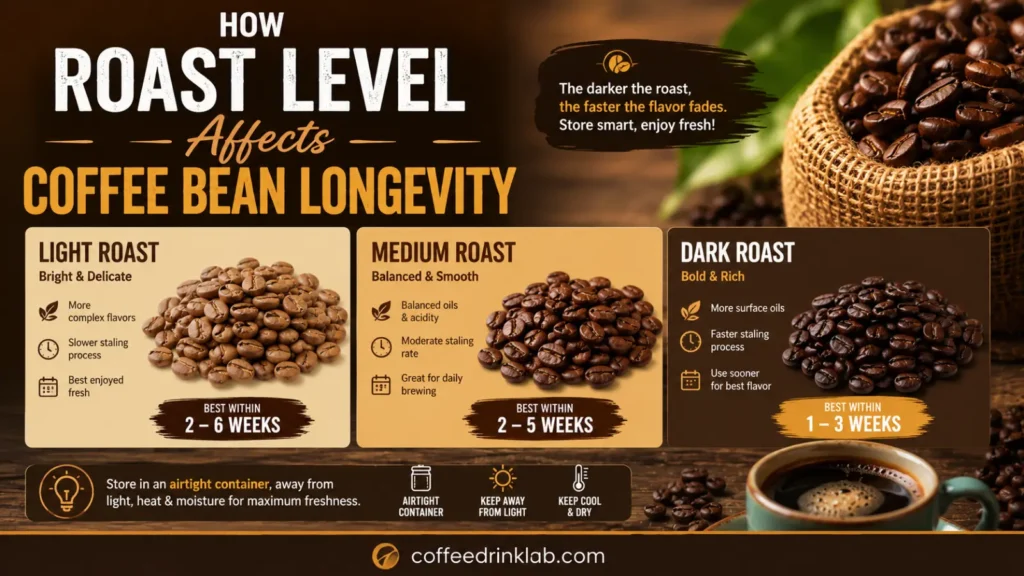
How Roast Level Affects Coffee Bean Longevity
Different roast levels age slightly differently. While all coffee loses freshness over time, roast characteristics influence how quickly changes become noticeable.
Light Roast Coffee
Light roast beans retain more of their original origin characteristics. Their fruity and floral flavor notes often remain vibrant for several weeks after roasting.
Characteristics include:
- Bright acidity
- Complex flavors
- Distinct origin notes
- Longer flavor development
Medium Roast Coffee
Medium roast is often the most balanced option. It combines sweetness, acidity, and body while maintaining many of the bean’s original characteristics.
Characteristics include:
- Balanced flavor profile
- Moderate acidity
- Versatile brewing performance
- Consistent freshness window
Dark Roast Coffee
Dark roast coffee develops oils on the bean surface. While many people enjoy its bold flavor, oxidation may become noticeable sooner.
Characteristics include:
- Bold flavor
- Smoky notes
- Lower acidity
- More visible oils
Can You Freeze Coffee Beans?
Freezing coffee remains one of the most debated topics among coffee enthusiasts. However, when done correctly, freezing can significantly extend freshness.
The key is preventing moisture and repeated temperature fluctuations.
Best Practices for Freezing
- Divide beans into small portions.
- Use airtight freezer bags.
- Remove excess air.
- Freeze only once.
- Thaw completely before opening.
As a result, frozen beans can maintain excellent quality for six months or longer.
Should You Refrigerate Coffee Beans?
Unlike freezing, refrigeration is generally not recommended.
Coffee beans easily absorb odors from surrounding foods. Furthermore, condensation caused by temperature changes may introduce moisture.
Unless your beans are stored in a completely airtight container and rarely accessed, refrigeration usually does more harm than good.
Signs Your Coffee Beans Are Stale
Fresh coffee is easy to recognize once you’ve experienced it. Likewise, stale coffee tends to show several obvious warning signs.
Weak Aroma
Fresh beans should smell rich and inviting. If you barely notice any aroma, freshness has likely declined.
Flat Flavor
Coffee may lose sweetness, complexity, and depth. Consequently, brews can taste dull or one-dimensional.
Reduced Espresso Crema
If you’re using an espresso maker, stale beans often produce less crema. This happens because many gases responsible for crema have already escaped.
Lifeless Brewing Results
Whether you use a drip machine, French press, or espresso maker, stale beans typically create a less satisfying cup.
Arabica vs Robusta: Does Bean Type Matter?
The type of coffee bean can influence perceived freshness, although storage remains the biggest factor.
| Feature | Arabica | Robusta |
| Flavor | Smooth and sweet | Bold and earthy |
| Caffeine | Lower | Higher |
| Acidity | Higher | Lower |
| Popular Use | Specialty coffee | Espresso blends |
| Freshness Retention | Similar | Similar |
For most coffee drinkers, choosing between arabica and robusta comes down to flavor preference rather than shelf life.
Coffee Bean Freshness Summary Chart
| Coffee Bean Type | Flavor Strength | Freshness Window | Best For |
| Light Roast | Bright | 2–6 weeks | Pour-over |
| Medium Roast | Balanced | 2–5 weeks | Everyday brewing |
| Dark Roast | Bold | 2–4 weeks | Espresso |
| Arabica | Complex | 2–6 weeks | Specialty coffee |
| Robusta | Strong | 2–6 weeks | High-caffeine drinks |
| Single-Origin | Distinctive | 2–4 weeks | Flavor exploration |
| Blend | Balanced | 2–6 weeks | Consistent brewing |
Conclusion
Knowing how long do coffee beans last helps you enjoy every cup at its best. While coffee beans don’t spoil quickly, their flavor gradually fades with exposure to air, heat, moisture, and light. If you’ve ever wondered do coffee beans expire, the answer is that they become stale rather than unsafe.
Understanding coffee bean shelf life, buying whole beans, storing them in airtight containers, and grinding only before brewing are the best ways to preserve freshness.
Whether you’re making espresso, French press, pour-over, or drip coffee, fresh beans always produce better aroma, richer flavor, and a more satisfying cup.
Frequently Asked Questions
What are the most popular how long do coffee beans last ?
The most common shelf-life questions involve unopened coffee beans, opened beans, frozen beans, and ground coffee. Most coffee drinkers want to know how long freshness lasts after opening a bag.
What is the difference between how long do coffee beans last ?
The main difference depends on storage conditions, packaging, and whether the coffee is whole bean or ground. Whole beans typically retain freshness significantly longer than ground coffee.
Which how long do coffee beans last is best for beginners ?
For beginners, buying whole beans and storing them in an airtight container is the easiest approach. This simple method provides the best balance of freshness and convenience.
How do I choose the right how long do coffee beans last ?
Look for a recent roast date, purchase only what you’ll use within a month, and choose whole beans whenever possible. Additionally, proper storage helps maximize freshness.
Can I use how long do coffee beans last at home ?
Absolutely. Home coffee drinkers can easily maintain bean freshness using airtight containers and proper storage practices.
Types of Coffee Pods: A Complete Guide to Choosing the Right Pod