
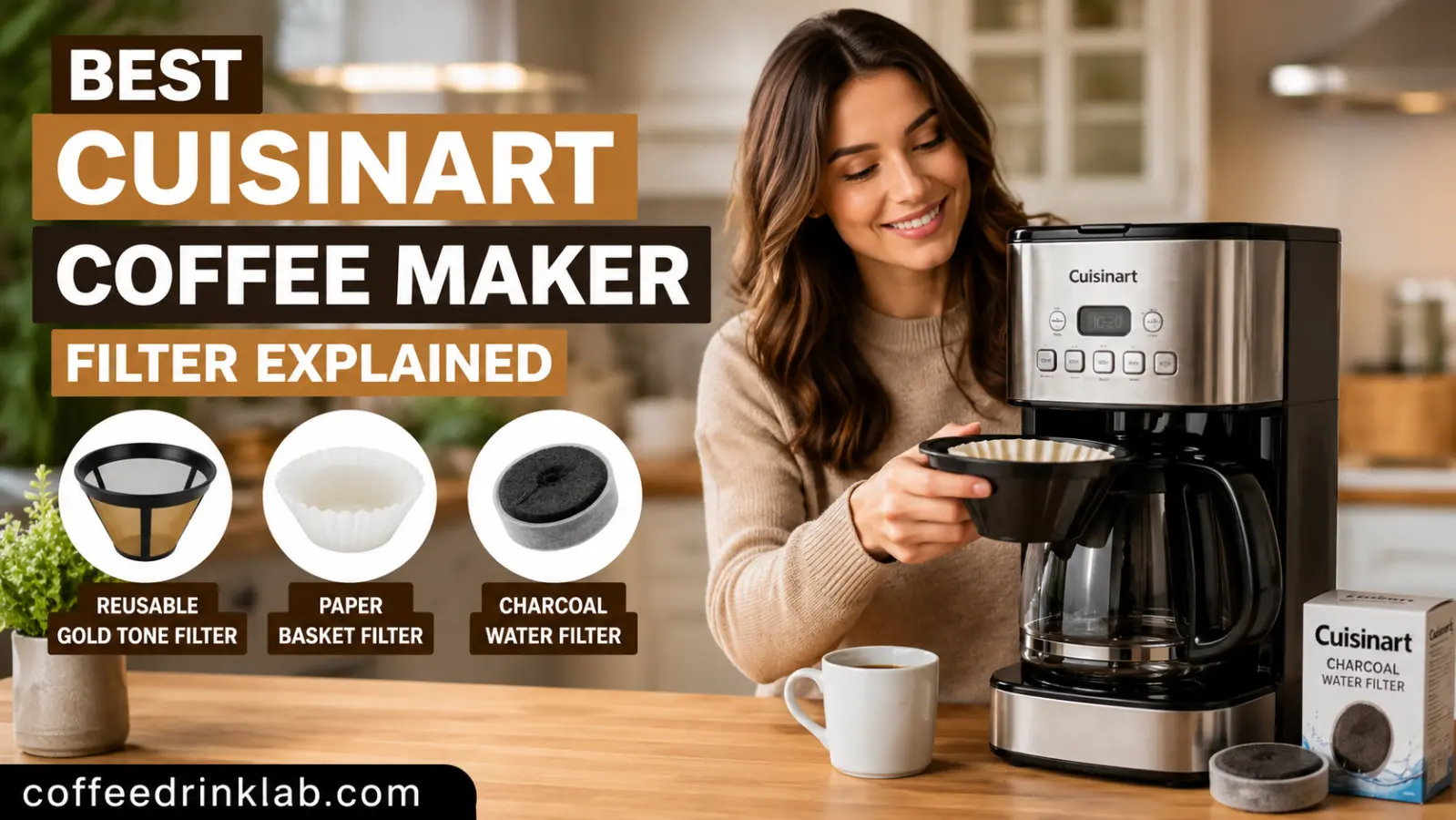
Best Cuisinart Coffee Maker Filter Explained
If you’ve ever wondered whether a cuisinart coffee maker filter really makes a difference, the answer is yes.
In fact, choosing the best cuisinart coffee maker filter for clean-tasting coffee can improve flavor, reduce unwanted odors, and even extend the life of your drip coffee machine.
Whether you’re brewing a single morning cup or a full carafe for the family, the right filter helps deliver a smoother, fresher cup while protecting your brewer from impurities and mineral buildup.
Many coffee drinkers focus on beans, grind size, or roast level, yet overlook the filter. However, your filter directly affects water quality, which makes up nearly 98% of brewed coffee. Therefore, understanding the different Cuisinart filters can help you enjoy consistently delicious coffee every day.
Why a Cuisinart Coffee Maker Filter Matters
A cuisinart coffee maker filter does much more than simply hold coffee grounds. Depending on your machine, it can refer to the charcoal water filter, the reusable gold-tone filter, or disposable paper filters that fit inside the brew basket.
Most importantly, each filter has a different job. The charcoal filter improves water quality, while brew filters control extraction and keep grounds out of your cup. As a result, using the correct filter leads to better flavor, cleaner brewing, and easier maintenance.
Some of the biggest benefits include:
- Better coffee flavor
- Cleaner-tasting water
- Reduced chlorine taste and odor
- Less mineral buildup
- Improved brewing consistency
- Longer coffee maker lifespan
- Lower maintenance costs
For anyone who brews coffee daily, replacing filters regularly is one of the easiest ways to improve every cup.
Best Cuisinart Coffee Maker Filter for Clean-Tasting Coffee

Choosing the best cuisinart coffee maker filter for clean-tasting coffee starts with knowing which filter your machine actually uses. Although many people think every filter serves the same purpose, that’s not the case.
1. Charcoal Water Filter
This is the filter found in many modern Cuisinart drip coffee makers. It sits inside the water reservoir and removes chlorine, unpleasant tastes, and certain impurities before brewing begins.
Because coffee is mostly water, cleaner water naturally produces cleaner flavors. Additionally, charcoal filters help protect the machine from some mineral-related issues.
Best for:
- Everyday drip coffee
- Homes with chlorinated tap water
- Improving overall coffee flavor
- Extending machine life
2. Gold-Tone Reusable Filter
Instead of paper filters, many Cuisinart models include a permanent gold-tone mesh filter. It allows more natural coffee oils to pass through, creating a richer and fuller-bodied cup.
Furthermore, reusable filters reduce waste, making them an environmentally friendly choice.
Advantages
- Reusable for years
- Richer coffee flavor
- More coffee oils remain
- Saves money over time
- Eco-friendly brewing
3. Paper Coffee Filters
Paper filters remain popular because they produce exceptionally clean coffee. They trap fine coffee particles and many natural oils, resulting in a lighter-bodied brew.
Meanwhile, they’re also convenient for quick cleanup since you simply discard the used filter after brewing.
Ideal for:
- Bright, clean flavor
- Easy cleanup
- Fine-ground coffee
- Daily brewing
Types of Cuisinart Coffee Maker Filters Explained 🫘
The best cuisinart coffee maker filter for clean-tasting coffee isn’t always the same for every household. Instead, your ideal choice depends on your brewing style, maintenance preferences, and flavor goals.
4. Charcoal Replacement Filters
These are among the most commonly replaced accessories for Cuisinart machines. They are inexpensive and should be changed regularly to maintain water quality.
Key Features
- Activated charcoal
- Fits many Cuisinart models
- Improves water taste
- Easy installation
- Affordable replacement
5. Universal Charcoal Filters
Some third-party brands manufacture universal charcoal filters compatible with multiple Cuisinart coffee makers. Although many work well, it’s always important to verify compatibility before purchasing.
Look for:
- BPA-free materials
- Food-grade certification
- Model compatibility
- Reliable customer reviews
6. Reusable Gold Mesh Filters
Gold mesh filters are designed to last for years with proper care. They eliminate the need for disposable paper filters while preserving flavorful coffee oils.
They’re especially popular among coffee lovers who enjoy medium roast and dark roast beans because they create a richer mouthfeel.
7. Disposable Paper Basket Filters
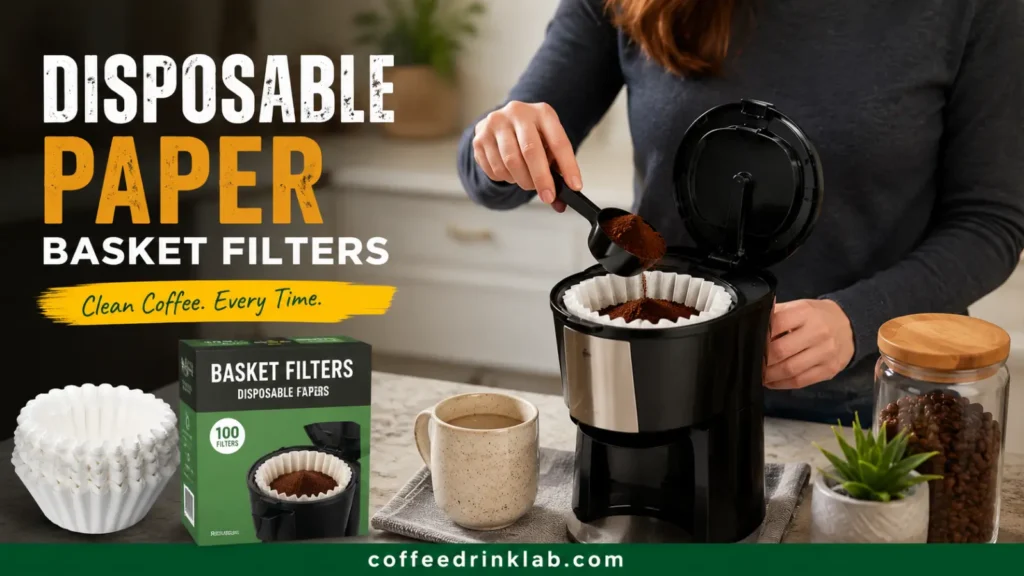
Paper basket filters remain one of the easiest brewing options. They reduce sediment while creating a crisp, clean cup that’s perfect for light roast coffees and specialty Arabica beans.
How to Choose the Right Cuisinart Coffee Maker Filter
Selecting a cuisinart coffee maker filter becomes much easier once you understand your brewing habits. Rather than buying the first replacement you find, consider several important factors.
1. Check Your Coffee Maker Model
Different Cuisinart coffee makers use different filter sizes. Therefore, always verify your model number before ordering replacement filters.
Popular model categories include:
- 12-cup drip coffee makers
- Programmable brewers
- Grind-and-Brew machines
- Thermal carafe models
- Single-serve coffee makers
2. Consider Your Water Quality
If your local tap water contains noticeable chlorine or has a strong taste, replacing the charcoal water filter regularly will make a surprisingly large difference.
On the other hand, if you already use filtered water, your charcoal filter may simply provide additional protection.
3. Decide Between Paper and Reusable Filters
Your brewing preferences also matter.
| Feature | Paper Filter | Gold Reusable Filter |
|---|---|---|
| Flavor | Clean and bright | Rich and full-bodied |
| Cleanup | Very easy | Requires rinsing |
| Cost | Ongoing purchase | One-time investment |
| Environmental Impact | Creates waste | Eco-friendly |
| Coffee Oils | Mostly removed | Mostly preserved |
Both options produce excellent coffee. Ultimately, the better choice depends on whether you value convenience or richer flavor.
How Often Should You Replace a Cuisinart Coffee Maker Filter?
One of the most common mistakes coffee drinkers make is forgetting to replace the charcoal filter. Although the coffee maker continues to brew, the filter gradually loses its effectiveness.
As a general guideline:
| Filter Type | Recommended Replacement |
|---|---|
| Charcoal water filter | Every 60 days or after about 60 brew cycles |
| Gold reusable filter | Replace only if damaged |
| Paper filter | New filter every brew |
Regular replacement helps maintain cleaner water, more consistent extraction, and better-tasting coffee. Moreover, it reduces the buildup of minerals that can eventually affect brewing performance
Cuisinart Coffee Maker Filter: Everything You Need to Know for Better Coffee
If you’ve ever wondered whether a cuisinart coffee maker filter really makes a difference, the answer is yes. In fact, choosing the best cuisinart coffee maker filter for clean-tasting coffee can improve flavor, reduce unwanted odors, and even extend the life of your drip coffee machine.
Whether you’re brewing a single morning cup or a full carafe for the family, the right filter helps deliver a smoother, fresher cup while protecting your brewer from impurities and mineral buildup.
Many coffee drinkers focus on beans, grind size, or roast level, yet overlook the filter. However, your filter directly affects water quality, which makes up nearly 98% of brewed coffee. Therefore, understanding the different Cuisinart filters can help you enjoy consistently delicious coffee every day.
Why a Cuisinart Coffee Maker Filter Matters
A cuisinart coffee maker filter does much more than simply hold coffee grounds. Depending on your machine, it can refer to the charcoal water filter, the reusable gold-tone filter, or disposable paper filters that fit inside the brew basket.
Most importantly, each filter has a different job. The charcoal filter improves water quality, while brew filters control extraction and keep grounds out of your cup. As a result, using the correct filter leads to better flavor, cleaner brewing, and easier maintenance.
Some of the biggest benefits include:
- Better coffee flavor
- Cleaner-tasting water
- Reduced chlorine taste and odor
- Less mineral buildup
- Improved brewing consistency
- Longer coffee maker lifespan
- Lower maintenance costs
For anyone who brews coffee daily, replacing filters regularly is one of the easiest ways to improve every cup.
Best Cuisinart Coffee Maker Filter for Clean-Tasting Coffee
Choosing the best cuisinart coffee maker filter for clean-tasting coffee starts with knowing which filter your machine actually uses. Although many people think every filter serves the same purpose, that’s not the case.
1. Charcoal Water Filter
This is the filter found in many modern Cuisinart drip coffee makers. It sits inside the water reservoir and removes chlorine, unpleasant tastes, and certain impurities before brewing begins.
Because coffee is mostly water, cleaner water naturally produces cleaner flavors. Additionally, charcoal filters help protect the machine from some mineral-related issues.
Best for:
- Everyday drip coffee
- Homes with chlorinated tap water
- Improving overall coffee flavor
- Extending machine life
2. Gold-Tone Reusable Filter
Instead of paper filters, many Cuisinart models include a permanent gold-tone mesh filter. It allows more natural coffee oils to pass through, creating a richer and fuller-bodied cup.
Furthermore, reusable filters reduce waste, making them an environmentally friendly choice.
Advantages
- Reusable for years
- Richer coffee flavor
- More coffee oils remain
- Saves money over time
- Eco-friendly brewing
3. Paper Coffee Filters
Paper filters remain popular because they produce exceptionally clean coffee. They trap fine coffee particles and many natural oils, resulting in a lighter-bodied brew.
Meanwhile, they’re also convenient for quick cleanup since you simply discard the used filter after brewing.
Ideal for:
- Bright, clean flavor
- Easy cleanup
- Fine-ground coffee
- Daily brewing
Types of Cuisinart Coffee Maker Filters Explained
The best cuisinart coffee maker filter for clean-tasting coffee isn’t always the same for every household. Instead, your ideal choice depends on your brewing style, maintenance preferences, and flavor goals.
1. Charcoal Replacement Filters
These are among the most commonly replaced accessories for Cuisinart machines. They are inexpensive and should be changed regularly to maintain water quality.
Key Features
- Activated charcoal
- Fits many Cuisinart models
- Improves water taste
- Easy installation
- Affordable replacement
2. Universal Charcoal Filters
Some third-party brands manufacture universal charcoal filters compatible with multiple Cuisinart coffee makers. Although many work well, it’s always important to verify compatibility before purchasing.
Look for:
- BPA-free materials
- Food-grade certification
- Model compatibility
- Reliable customer reviews
3. Reusable Gold Mesh Filters
Gold mesh filters are designed to last for years with proper care. They eliminate the need for disposable paper filters while preserving flavorful coffee oils.
They’re especially popular among coffee lovers who enjoy medium roast and dark roast beans because they create a richer mouthfeel.
4. Disposable Paper Basket Filters
Paper basket filters remain one of the easiest brewing options. They reduce sediment while creating a crisp, clean cup that’s perfect for light roast coffees and specialty Arabica beans.
How to Choose the Right Cuisinart Coffee Maker Filter
Selecting a cuisinart coffee maker filter becomes much easier once you understand your brewing habits. Rather than buying the first replacement you find, consider several important factors.
1. Check Your Coffee Maker Model
Different Cuisinart coffee makers use different filter sizes. Therefore, always verify your model number before ordering replacement filters.
Popular model categories include:
- 12-cup drip coffee makers
- Programmable brewers
- Grind-and-Brew machines
- Thermal carafe models
- Single-serve coffee makers
2. Consider Your Water Quality
If your local tap water contains noticeable chlorine or has a strong taste, replacing the charcoal water filter regularly will make a surprisingly large difference.
On the other hand, if you already use filtered water, your charcoal filter may simply provide additional protection.
3. Decide Between Paper and Reusable Filters
Your brewing preferences also matter.
| Feature | Paper Filter | Gold Reusable Filter |
|---|---|---|
| Flavor | Clean and bright | Rich and full-bodied |
| Cleanup | Very easy | Requires rinsing |
| Cost | Ongoing purchase | One-time investment |
| Environmental Impact | Creates waste | Eco-friendly |
| Coffee Oils | Mostly removed | Mostly preserved |
Both options produce excellent coffee. Ultimately, the better choice depends on whether you value convenience or richer flavor.
How Often Should You Replace a Cuisinart Coffee Maker Filter?

One of the most common mistakes coffee drinkers make is forgetting to replace the charcoal filter. Although the coffee maker continues to brew, the filter gradually loses its effectiveness.
As a general guideline:
| Filter Type | Recommended Replacement |
|---|---|
| Charcoal water filter | Every 60 days or after about 60 brew cycles |
| Gold reusable filter | Replace only if damaged |
| Paper filter | New filter every brew |
Regular replacement helps maintain cleaner water, more consistent extraction, and better-tasting coffee. Moreover, it reduces the buildup of minerals that can eventually affect brewing performance.
How to Clean a Cuisinart Coffee Maker Filter
Keeping your cuisinart coffee maker filter clean is just as important as replacing it. Even the highest-quality filter can lose its effectiveness if coffee oils, mineral deposits, or leftover grounds build up over time. Fortunately, regular cleaning only takes a few minutes and helps maintain fresh-tasting coffee.
1. Cleaning a Charcoal Water Filter
Charcoal filters should not be scrubbed or washed with soap because doing so can reduce their filtering ability. Instead, replace them according to the manufacturer’s recommendations.
For the best results:
- Soak a new charcoal filter in clean water for about 15 minutes before installation.
- Rinse it thoroughly under running water.
- Install it securely in the filter holder.
- Replace it every 60 days or after approximately 60 brew cycles.
2. Cleaning a Gold-Tone Reusable Filter
Unlike charcoal filters, reusable gold-tone filters are designed to be cleaned after every brew.
To keep yours in excellent condition:
- Remove the filter after brewing.
- Discard the used coffee grounds.
- Rinse thoroughly with warm water.
- Use a soft brush if fine grounds remain.
- Allow it to air dry completely before the next use.
Additionally, deep cleaning the filter once a month helps remove coffee oils that can affect flavor.
Common Mistakes to Avoid with a Cuisinart Coffee Maker Filter
Even experienced coffee lovers sometimes make simple mistakes that reduce coffee quality. Fortunately, these issues are easy to avoid.
1. Forgetting to Replace the Charcoal Filter
Many users continue brewing for months without changing the charcoal filter. As a result, chlorine and unpleasant tastes can return to the water, making coffee taste flat or dull.
2. Using the Wrong Filter Size
Not every Cuisinart coffee maker uses the same filter. Therefore, always confirm your model number before purchasing replacement filters.
3. Skipping Regular Cleaning
Coffee oils naturally build up inside reusable filters. Consequently, failing to rinse them after each use may produce bitter flavors over time.
4. Overfilling the Brew Basket
Adding too much coffee can clog the filter and slow water flow. Instead, follow the recommended coffee-to-water ratio for balanced extraction.
Maintenance Tips for Longer Machine Life
The best cuisinart coffee maker filter for clean-tasting coffee works even better when paired with proper maintenance. A few simple habits can keep your coffee maker performing like new for years.
1. Descale the Coffee Maker Regularly
Mineral deposits from hard water gradually accumulate inside the machine. Therefore, descale your brewer every one to three months using a descaling solution or a vinegar-and-water mixture if recommended for your model.
2. Use Fresh Water Every Brew
Fresh, cold water produces noticeably better coffee than water left sitting in the reservoir overnight. Moreover, it helps your charcoal filter perform at its best.
3. Store Filters Properly
Keep replacement charcoal filters sealed in their original packaging until you’re ready to use them. This helps preserve the activated carbon’s effectiveness.
4. Inspect the Filter Holder
Occasionally check the filter holder for cracks or mineral buildup. Cleaning this small component regularly helps maintain consistent water flow during brewing.
Which Cuisinart Coffee Maker Filter Is Best for You?
Choosing the right cuisinart coffee maker filter depends on your brewing style and taste preferences. If you enjoy a crisp, clean cup with minimal sediment, paper filters are an excellent choice. On the other hand, if you prefer a richer body with more natural coffee oils, a reusable gold-tone filter is hard to beat.
Meanwhile, replacing the charcoal water filter regularly benefits nearly every coffee drinker because cleaner water leads to better extraction and improved flavor. For households that brew coffee daily, combining a fresh charcoal filter with either a reusable or paper brew filter offers the best overall experience.
The Final Talk
A cuisinart coffee maker filter may seem like a small part of your brewing setup, but it plays a huge role in the quality of every cup. From removing chlorine in your water to improving extraction and protecting your machine from mineral buildup, the right filter helps you brew cleaner, smoother, and more flavorful coffee
. Whether you choose paper filters, a reusable gold-tone filter, or replace your charcoal filter regularly, each option contributes to a better coffee experience.
Ultimately, investing a little time in selecting and maintaining the proper filter pays off with every brew. Experiment with different filter types to discover the flavor profile you enjoy most.
Combined with freshly roasted beans, the right grind size, and proper brewing techniques, a quality Cuisinart filter can help you enjoy café-worthy coffee from the comfort of your home every single morning.
FAQs
Q1.What are the most popular cuisinart coffee maker filter options?
The most popular options include charcoal water filters, reusable gold-tone mesh filters, and disposable paper basket filters. Each serves a different purpose, with charcoal filters improving water quality while brew filters affect coffee extraction and flavor.
Q2.What is the difference between cuisinart coffee maker filter types?
Charcoal filters clean the brewing water by reducing chlorine and certain impurities. Gold-tone reusable filters allow more coffee oils into the cup for a richer taste, whereas paper filters produce a cleaner, lighter-bodied brew by trapping oils and fine particles.
Q3.Which cuisinart coffee maker filter is best for beginners?
Most beginners benefit from using the original charcoal water filter together with paper basket filters. This combination provides consistently clean coffee, requires minimal maintenance, and makes cleanup quick and easy.
Q4.How do I choose the right cuisinart coffee maker filter?
Start by checking your coffee maker’s model number to ensure compatibility. Then consider your preferred flavor, maintenance routine, and whether you want the convenience of disposable filters or the long-term savings of a reusable filter.
Q5.Can I use cuisinart coffee maker filter at home?
Keeping your cuisinart coffee maker filter clean is just as important as replacing it. Even the highest-quality filter can lose its effectiveness if coffee oils, mineral deposits, or leftover grounds build up over time. Fortunately, regular cleaning only takes a few minutes and helps maintain fresh-tasting coffee.
Discover more,
Calabria Coffee: Authentic Italian Espresso Guide
Coffee Patron Explained for Beginners in 2026
How to Make Two Tone Coffee at Home in 2026