

Coffee Siphon: Complete Brewing Guide in 2026
Have you ever watched a coffee siphon brewer in action? It almost feels like a science experiment, yet the result is one of the cleanest and most flavorful cups of coffee you can make. In fact, the best coffee siphon brewing method for home combines precision, theater, and exceptional taste.
Whether you’re new to specialty coffee or looking to upgrade your brewing routine, understanding how a coffee siphon works will help you enjoy a smoother, more aromatic cup every morning. Throughout this guide, you’ll discover how siphon brewing compares with other methods, how to choose the right equipment, and practical tips for brewing like a professional.
What Is a Coffee Siphon?
A coffee siphon, also called a vacuum coffee maker or syphon brewer, is a manual coffee brewing device that uses heat, water vapor pressure, and vacuum suction to brew coffee.
Unlike drip coffee makers or French presses, it creates a remarkably clean and balanced cup while preserving delicate flavor notes.
Originally invented in the 19th century, the coffee siphon has become a favorite among specialty coffee enthusiasts. Although it looks sophisticated, the brewing process is surprisingly simple once you understand the basics.
Some key characteristics include:
- Produces a clean, sediment-free cup
- Highlights floral and fruity flavor notes
- Creates a smooth body with balanced acidity
- Offers an engaging brewing experience
- Ideal for specialty Arabica coffee beans
Most importantly, the coffee siphon is both a brewing tool and a conversation piece, making it popular in coffee shops and home kitchens alike.
Why the Best Coffee Siphon Brewing Method for Home Is Worth Trying
Many coffee lovers wonder whether a siphon brewer is worth the extra effort. After using one, the answer becomes obvious. Unlike automatic machines that prioritize convenience, a siphon allows complete control over brewing temperature, immersion time, and agitation.
Furthermore, the vacuum brewing process extracts coffee evenly, reducing bitterness while enhancing sweetness and aroma. As a result, even medium roast and light roast beans taste noticeably brighter.
You’ll especially appreciate a coffee siphon if you enjoy:
- Single-origin coffee
- Complex flavor profiles
- Manual brewing methods
- Specialty coffee experiences
- Entertaining guests with unique coffee preparation
How Does a Coffee Siphon Work?
Understanding the brewing process makes using a coffee siphon much less intimidating. Although it appears scientific, it relies on three simple principles: heat, pressure, and vacuum.
1. Heating the Water
The lower chamber is filled with water and heated using an alcohol burner, butane burner, or halogen heater. As the temperature rises, water vapor increases pressure inside the bottom globe.
Eventually, that pressure forces the hot water upward through the siphon tube into the upper brewing chamber.

2. Brewing the Coffee
Once the water reaches the upper chamber, freshly ground coffee is added. The grounds remain fully immersed, allowing even extraction throughout the brew.
Meanwhile, gentle stirring helps saturate every coffee particle, resulting in balanced extraction and improved sweetness.
Typical brewing details include:
- Water temperature: 195–205°F
- Brew time: 1–2 minutes
- Grind size: Medium to medium-fine
- Coffee ratio: 1:15 to 1:17
3. Vacuum Filtration
After removing the heat source, the lower chamber cools rapidly. Consequently, a vacuum forms and gently pulls the brewed coffee back through the filter into the bottom globe.
The used grounds stay behind in the upper chamber, leaving only clear, aromatic coffee below.
This unique vacuum process is what gives coffee siphon brewing its signature clarity and smooth finish.
Best Coffee Siphon Brewing Method for Home
Choosing the best coffee siphon brewing method for home isn’t just about following instructions—it’s about understanding how small adjustments influence flavor. Fortunately, once you master the basics, consistency becomes much easier.
1. Use Fresh Coffee Beans
Fresh beans make the biggest difference. Coffee brewed in a siphon showcases delicate aromas, so stale beans quickly become noticeable.
For the best results, choose:
- Freshly roasted Arabica beans
- Coffee roasted within 2–4 weeks
- Whole beans ground immediately before brewing
- Single-origin coffees for complex flavors

2. Choose the Correct Grind Size
Grind size affects extraction more than many beginners realize. If the coffee is ground too fine, brewing slows down and bitterness increases. However, if it’s too coarse, the coffee may taste weak.
A medium grind generally provides the best balance.
| Grind Size | Flavor Result | Recommended |
|---|---|---|
| Fine | Bitter, over-extracted | ❌ |
| Medium-Fine | Rich and balanced | ✅ |
| Medium | Clean and sweet | ✅ Best |
| Coarse | Weak, under-extracted | ⚠️ |
3. Measure Coffee Carefully
Consistency comes from measuring rather than guessing. Professional baristas typically weigh both coffee and water for repeatable results.
A good starting ratio is:
- 30 grams coffee
- 500 ml filtered water
- Brew time: 90–120 seconds
Additionally, using filtered water instead of tap water significantly improves flavor clarity.
Coffee Siphon vs Other Brewing Methods
Every brewing method creates a different coffee experience. While the coffee siphon excels in clarity and aroma, other brewers have their own strengths depending on your preferences.
| Brewing Method | Flavor | Body | Difficulty | Cleanup |
|---|---|---|---|---|
| Coffee Siphon | Bright, clean, aromatic | Medium | Moderate | Moderate |
| French Press | Rich, bold | Heavy | Easy | Easy |
| Pour Over | Crisp and balanced | Light | Moderate | Easy |
| Espresso Maker | Intense and concentrated | Full | Advanced | Moderate |
| Drip Machine | Smooth and consistent | Medium | Very Easy | Very Easy |
If you enjoy experimenting with specialty coffee, a coffee siphon offers one of the most rewarding brewing experiences. On the other hand, if speed is your priority, an automatic drip machine may be the better choice.
Choosing the Right Coffee Siphon for Beginners
If you’re buying your first siphon brewer, don’t focus only on appearance. Instead, think about ease of use, durability, and maintenance. Fortunately, many beginner-friendly models are designed to simplify the learning curve while still producing outstanding coffee.
In the next section, we’ll explore the different types of coffee siphons, how to maintain them properly, common brewing mistakes, expert tips for café-quality results, and answers to the most frequently asked questions.
Types of Coffee Siphons
Not all siphon brewers are the same. While every coffee siphon uses the same vacuum brewing principle, the heat source, filter type, and overall design can significantly affect your brewing experience. Fortunately, there’s an option for nearly every coffee lover.
1. Glass Coffee Siphon
A classic glass siphon is the most recognizable style and is commonly found in specialty coffee shops. Watching the water rise into the upper chamber and then return to the bottom is part of its charm.
Additionally, glass doesn’t absorb flavors, making it ideal for tasting the subtle notes of single-origin coffee. However, it requires careful handling because the glass can break if dropped.
Best for:
- Home baristas
- Specialty coffee lovers
- Flavor-focused brewing
- Elegant presentation
2. Electric Coffee Siphon
If you enjoy the taste of siphon coffee but want more convenience, an electric model is a great option. It includes a built-in heating element, eliminating the need for an external burner.
Furthermore, electric siphons maintain a consistent brewing temperature, making them easier for beginners to master.
Advantages:
- Automatic heat control
- Beginner-friendly
- Faster setup
- More consistent brewing
3. Alcohol Burner Coffee Siphon
Traditional siphons often use alcohol burners. They provide steady, gentle heat and create the authentic coffee shop experience many enthusiasts appreciate.
However, brewing takes slightly longer, and you’ll need to refill the burner periodically.
Ideal for:
- Traditional brewing
- Coffee demonstrations
- Specialty cafés
- Coffee enthusiasts
4. Butane Burner Coffee Siphon
A butane burner produces stronger, more adjustable heat than an alcohol burner. As a result, water reaches brewing temperature more quickly.
Most professional coffee competitions and specialty cafés prefer butane burners because of their speed and precision.
Benefits include:
- Fast heating
- Adjustable flame
- Better temperature control
- Reliable performance
Best Coffee Siphon Brewing Method for Home: Pro Tips
Learning the best coffee siphon brewing method for home involves more than simply following a recipe. Small improvements in technique often create noticeably better coffee.
1. Preheat Your Water
Instead of heating cold water from room temperature, begin with hot filtered water.
Doing so:
- Shortens brewing time
- Protects the glass from rapid temperature changes
- Produces more consistent extraction
- Saves fuel
2. Stir Gently
After adding the coffee grounds, give the slurry a gentle stir.
Over-stirring can create uneven extraction, while too little agitation leaves dry pockets of coffee that reduce flavor.
3. Time Your Brew
One of the biggest mistakes beginners make is brewing for too long.
A general guideline:
- Bloom: 15–20 seconds
- Main brew: 60–75 seconds
- Total brew time: 90–120 seconds
Meanwhile, experimenting with different times allows you to customize sweetness, acidity, and body.
4. Keep Everything Clean
Coffee oils quickly build up on glass and filters.
Therefore, rinse your brewer after every use and wash all components thoroughly every few brewing sessions. Clean equipment always produces better-tasting coffee.
Common Coffee Siphon Mistakes to Avoid
Every coffee enthusiast makes mistakes while learning. Fortunately, most are easy to correct once you know what to watch for.
1. Using the Wrong Grind Size
Grind size is one of the biggest factors affecting flavor.
Too fine:
- Bitter coffee
- Slow filtration
- Muddy cup
Too coarse:
- Weak flavor
- Under-extraction
- Thin body
Instead, aim for a medium to medium-fine grind for balanced results.
2. Using Old Coffee Beans
Even the world’s best coffee siphon cannot improve stale beans.
Freshly roasted beans retain aromatic oils that create sweetness and complexity. Ideally, brew coffee within a month of roasting.
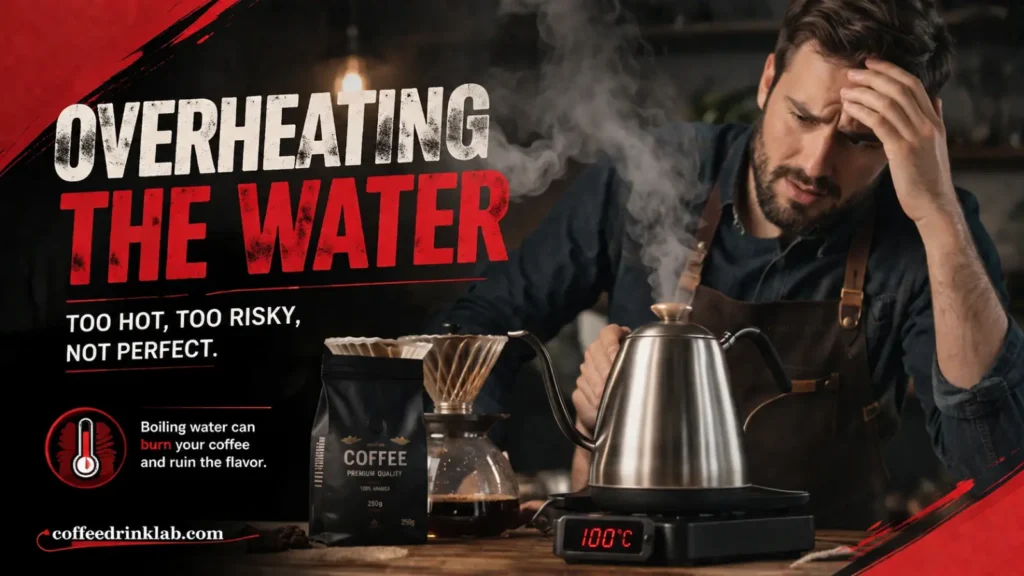
3. Overheating the Water
Boiling water aggressively throughout brewing can scorch delicate flavors.
Instead, maintain gentle heat while brewing and remove the heat source promptly when extraction is complete.
4. Ignoring Water Quality
Coffee is nearly 98% water. Consequently, poor-quality water results in poor-quality coffee.
Filtered water with moderate mineral content usually provides the cleanest flavor.
Cleaning and Maintaining Your Coffee Siphon
Proper maintenance extends the life of your brewer and ensures consistently delicious coffee.
Fortunately, cleaning takes only a few minutes.
1. After Every Brew
Immediately after brewing:
- Discard used coffee grounds
- Rinse both chambers with warm water
- Wash the filter gently
- Allow all parts to air dry
2. Weekly Deep Cleaning
If you brew daily, perform a deeper cleaning once each week.
Use a coffee equipment cleaner or a mild mixture of baking soda and warm water to remove coffee oils from the glass.
Avoid abrasive scrubbers, which can scratch the surface.
3. Replacing the Filter
Depending on the filter type, replacement schedules vary.
| Filter Type | Typical Lifespan |
|---|---|
| Cloth Filter | 100–150 brews |
| Paper Filter | Single use |
| Metal Filter | Several years with care |
Replacing worn filters helps maintain excellent extraction and prevents unwanted flavors.
Is a Coffee Siphon Worth Buying?
For coffee lovers who enjoy experimenting, absolutely.
A coffee siphon delivers exceptional clarity, balanced sweetness, and a brewing experience unlike any other method. Although it requires a little more attention than a drip machine, many enthusiasts find the process just as enjoyable as drinking the coffee itself.
Moreover, it encourages you to slow down and appreciate each step of brewing. Whether you’re making coffee for yourself on a quiet morning or entertaining guests, a siphon brewer transforms coffee preparation into an experience rather than just a routine.
The Final Talk
A coffee siphon is much more than an eye-catching brewing device—it’s one of the most rewarding ways to enjoy specialty coffee at home.
From its fascinating vacuum brewing process to its ability to highlight delicate aromas and clean flavors, it offers an experience that few other brewing methods can match. If you’re willing to spend a few extra minutes learning the technique, you’ll be rewarded with consistently delicious coffee.
Ultimately, the best coffee siphon brewing method for home comes down to using fresh beans, the correct grind size, filtered water, and careful timing. As your confidence grows, don’t be afraid to experiment with different roast levels, brew ratios, and single-origin coffees.
Before long, you’ll discover your own perfect cup and gain a deeper appreciation for the art and science of coffee brewing.
FAQs:
Q1. What are the most popular coffee siphon brewers?
The most popular coffee siphon brewers are glass vacuum coffee makers from trusted brands like Hario, Yama, Bodum, and KitchenAid. These models are known for producing clean, aromatic coffee while offering a visually impressive brewing experience. Beginners often choose Hario because of its reliability and ease of use.
Q2. What is the difference between coffee siphon brewers?
The main differences between coffee siphon brewers are their heat source, filter type, brewing capacity, and materials. Some models use alcohol burners, while others use butane burners or built-in electric heating. Additionally, cloth, metal, and paper filters each create slightly different flavor profiles and body.
Q3. Which coffee siphon is best for beginners?
A beginner-friendly coffee siphon should be easy to assemble, durable, and simple to clean. Electric siphons are excellent for first-time users because they maintain a steady brewing temperature automatically. A high-quality glass siphon with a butane burner is another great option for those who want a more traditional brewing experience.
Q4. How do I choose the right coffee siphon?
Choose a coffee siphon based on your budget, brewing frequency, preferred heat source, and desired capacity. If you brew coffee every day, an electric model offers convenience, while manual siphons provide more control and a classic brewing ritual. Also, consider replacement filter availability and overall build quality before purchasing.
Q5. Can I use coffee siphon at home?
Absolutely! A coffee siphon is perfect for home use once you become familiar with the brewing process. Although it requires slightly more attention than an automatic drip coffee maker, many home baristas enjoy the hands-on experience and exceptional flavor it produces. With a little practice, brewing becomes both easy and enjoyable.
Discover More Blends
15 Best Grocery Store Coffee Beans (2026): Best for Espresso, Cold Brew & Home Brewing
Coffee Beans Explained for Every Coffee Lover
Top 16 Fireproof Coffee: Complete Beginner’s Guide in 2026