Coffee Beans Explained for Every Coffee Lover
Coffee is much more than a morning pick-me-up it’s an experience that begins with choosing the right Coffee Beans. Whether you’re making espresso, French press, pour-over, or cold brew, selecting the best coffee beans for every brewing method can dramatically improve flavor, aroma, and overall enjoyment.
Fortunately, understanding coffee beans doesn’t have to be complicated. This guide explains the different types, roast levels, origins, and buying tips so you can confidently choose beans that match your taste and favorite brewing style.
Understanding Coffee Beans
Every memorable cup of coffee starts with quality Coffee Beans. Although brewing equipment certainly matters, the beans themselves have the greatest influence on flavor, body, sweetness, and aroma.
Furthermore, where the beans are grown, how they’re processed, and how they’re roasted all shape the final taste in your cup.
Coffee beans aren’t actually beans at all they’re the roasted seeds found inside coffee cherries. After harvesting, the seeds are processed, dried, roasted, and packaged before reaching your favorite coffee shop or kitchen.
Some of the biggest factors that influence flavor include:
- Bean variety
- Country of origin
- Roast level
- Processing method
- Brewing method
- Freshness after roasting
Most importantly, fresh, well-roasted beans almost always produce a richer and more enjoyable cup than stale supermarket coffee.
Best Coffee Beans for Every Brewing Method ☕
Not every coffee bean shines in every brewer. While many beans are versatile, matching your coffee with the right brewing method helps bring out its best characteristics. Therefore, understanding these pairings can transform your daily coffee routine.
1. Espresso
Espresso demands beans that create concentrated sweetness while maintaining balance under pressure. Medium-dark and dark roasts are popular because they produce a fuller body with notes of chocolate, caramel, and toasted nuts.
However, many specialty coffee lovers now enjoy lighter espresso roasts that highlight fruity and floral characteristics.
Best characteristics
- Medium-dark to dark roast
- Rich crema
- Chocolate and caramel notes
- Low to medium acidity

2. Pour-Over
Pour-over brewing highlights delicate flavors that might otherwise remain hidden. Consequently, single-origin beans often perform exceptionally well because they showcase unique regional characteristics with remarkable clarity.
Best characteristics
- Light or medium roast
- Floral aroma
- Bright acidity
- Citrus and berry notes
3. French Press
French press brewing emphasizes body and texture. Because the metal filter allows natural oils to remain in the cup, medium and dark roasts create a rich, satisfying mouthfeel.
Best characteristics
- Medium or dark roast
- Full-bodied texture
- Chocolate flavors
- Medium acidity
4. Cold Brew
Cold brew extracts coffee slowly over many hours. As a result, the finished drink becomes naturally smoother and less acidic. Chocolatey and nutty beans tend to produce the most balanced cold brew.
Best characteristics
- Medium-dark roast
- Low acidity
- Smooth finish
- Cocoa and caramel notes
Types of Coffee Beans
Although hundreds of coffee varieties exist, nearly all commercial coffee comes from four major species. Understanding these varieties helps you choose beans that fit your personal taste.
1. Arabica Coffee Beans
Arabica is the world’s most popular coffee species, accounting for roughly 60–70% of global production. It grows at higher elevations and develops complex flavors with pleasant acidity.
Coffee enthusiasts often appreciate Arabica because it delivers layered flavor notes ranging from berries and citrus to chocolate and honey. Additionally, it generally contains less caffeine than Robusta, making it smoother and sweeter.
Key Features
- Mild sweetness
- Bright acidity
- Complex flavors
- Lower caffeine
- Premium quality
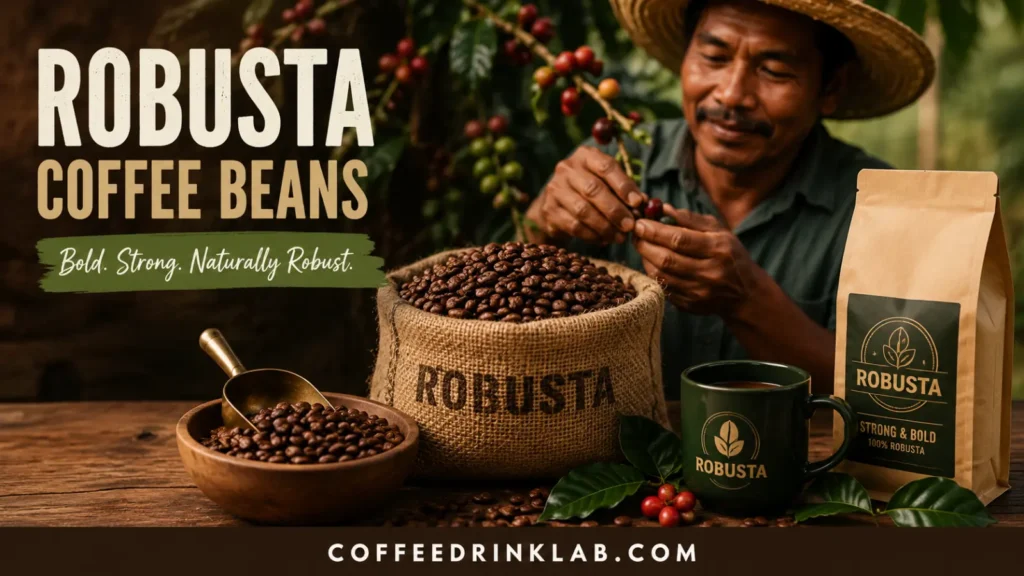
2. Robusta Coffee Beans
Robusta is known for its strength and bold personality. Unlike Arabica, it thrives at lower elevations and naturally contains significantly more caffeine.
Its flavor tends to be earthy, woody, and slightly bitter. Consequently, many espresso blends include Robusta to create thicker crema and a stronger caffeine kick.
Key Features
- High caffeine
- Strong body
- Earthy flavor
- Thick crema
- Budget-friendly
3. Liberica Coffee Beans
Liberica represents only a tiny portion of global coffee production, yet it offers one of the most distinctive flavor experiences available.
The beans are noticeably larger, while the brewed coffee often carries smoky, fruity, woody, and floral notes. Therefore, adventurous coffee drinkers frequently seek it out for its unique personality.
Key Features
- Rare availability
- Fruity aroma
- Smoky finish
- Large beans
- Unique flavor profile
4. Excelsa Coffee Beans
Excelsa belongs to the Liberica family and contributes complexity to many coffee blends. It combines bright fruity acidity with a surprisingly deep, dark finish.
As a result, roasters frequently use Excelsa to add balance and dimension to specialty blends.
Key Features
- Tart fruit flavors
- Medium body
- Complex aroma
- Often blended
- Specialty coffee favorite
Best Coffee Beans for Every Brewing Method by Roast Level
Choosing the best coffee beans for every brewing method also means understanding roast levels. While the same bean can taste completely different depending on how it’s roasted, each roast brings out unique qualities.
1. Light Roast
Light roasts preserve the bean’s original character. Therefore, they showcase floral aromas, citrus acidity, and complex fruit notes that reflect the coffee’s origin.
Coffee-Growing Regions and Their Flavor Profiles
The region where Coffee Beans are grown has a major impact on their flavor. Climate, altitude, soil, and rainfall all contribute to the unique characteristics found in each cup. Therefore, exploring coffees from different origins is one of the best ways to discover your personal preferences.
1. Best Coffee Beans for Every Brewing Method from Latin America
Many coffee lovers consider Latin American coffees an excellent starting point because they offer balanced flavors and consistent quality. In addition, these beans perform beautifully in drip coffee, pour-over, and espresso.
Common flavor notes include:
- Chocolate
- Nuts
- Citrus
- Caramel
Popular origins
- Colombia
- Brazil
- Guatemala
- Costa Rica
2. African Coffee Beans
African coffees are famous for their vibrant and expressive flavors. As a result, they are favorites among specialty coffee enthusiasts who enjoy bright acidity and fruit-forward cups.
Typical tasting notes include:
- Blueberry
- Berry
- Floral
- Lemon
- Stone fruit
Popular origins
- Ethiopia
- Kenya
- Rwanda
- Tanzania
3. Asian and Pacific Coffee Beans
Coffee from Asia and the Pacific often delivers rich body and earthy complexity. Consequently, these beans are excellent choices for espresso, French press, and cold brew.
Common flavors include:
- Herbal
- Dark chocolate
- Spice
- Earthy notes
Popular origins
- Indonesia
- Vietnam
- India
- Papua New Guinea
Best Coffee Beans for Every Brewing Method Based on Processing
Processing determines how coffee cherries are transformed into green beans before roasting. Although many beginners overlook this step, it has a remarkable effect on sweetness, body, and acidity.
1. Washed Process
Washed coffees remove the fruit before drying, producing exceptionally clean and crisp flavors. Therefore, they’re ideal if you enjoy bright, refreshing coffee.
Best for
- Pour-over
- Drip coffee
- Light roasts
2. Natural Process
Natural processing dries the coffee cherry with the fruit still attached. As a result, the beans develop sweeter, fruitier flavors with a heavier body.
Best for
- Espresso
- Cold brew
- Specialty coffee
3. Honey Process
Honey processing leaves some fruit on the bean during drying, creating a pleasant balance between washed and natural coffees.
Best for
- French press
- Pour-over
- Medium roasts
How to Buy Quality Coffee Beans
Buying Coffee Beans can feel overwhelming because there are countless brands, roast levels, and origins available. However, focusing on a few important details makes choosing much easier.
When shopping, always look for:
- A recent roast date instead of only an expiration date
- Clearly labeled country of origin
- Whole beans instead of pre-ground coffee
- Roast level that matches your brewing style
- Specialty-grade coffee whenever possible
Furthermore, buying smaller bags helps ensure you finish the coffee while it’s still fresh.
How to Keep Coffee Beans Fresh
Freshness dramatically affects coffee quality. Even premium beans lose flavor if stored improperly. Fortunately, proper storage is simple.

Store your Coffee Beans in:
- An airtight container
- A cool, dry cupboard
- A dark location away from sunlight
- Room temperature
Avoid storing coffee in:
- The refrigerator
- Clear containers exposed to light
- Warm kitchen cabinets above the stove
- Open bags
Most importantly, buy only enough coffee for about two to four weeks of regular use.

Whole Bean vs. Ground Coffee ☕
Many people wonder whether whole beans are worth the extra effort. In most cases, the answer is yes.
Whole retain their aroma and flavor much longer because less surface area is exposed to oxygen. Meanwhile, pre-ground coffee begins losing freshness almost immediately after grinding.
| Feature | Whole Beans | Ground Coffee |
|---|---|---|
| Freshness | Excellent | Moderate |
| Aroma | Strong | Fades faster |
| Flavor | Richer | Less complex |
| Shelf Life | Longer | Shorter |
| Convenience | Requires grinder | Ready to brew |
If you brew coffee regularly, investing in a quality burr grinder can noticeably improve every cup.
Common Mistakes When Choosing Coffee Beans
Even experienced coffee drinkers sometimes make purchasing mistakes. Fortunately, they’re easy to avoid.
Some of the most common include:
- Buying based only on packaging.
- Ignoring the roast date.
- Choosing the darkest roast for every brew.
- Purchasing large bags that become stale.
- Using the wrong grind size for the brewing method.
- Assuming expensive beans are always better.
Instead, experiment with different origins, roast levels, and processing methods until you discover what suits your taste best.
Coffee Beans Summary Chart
| Coffee Bean Type | Flavor Profile | Caffeine | Best Brewing Method |
|---|---|---|---|
| Arabica | Sweet, fruity, balanced | Medium | Pour-over, drip, espresso |
| Robusta | Bold, earthy, bitter | High | Espresso, cold brew |
| Liberica | Smoky, fruity, woody | Medium | French press, specialty brewing |
| Excelsa | Tart, fruity, complex | Medium | Blends, pour-over |
The Final Talk
Choosing the right Coffee Beans is one of the easiest ways to improve every cup you brew at home. Whether you enjoy a bold espresso, a smooth French press, a bright pour-over, or a refreshing cold brew, understanding bean varieties, roast levels, origins, and processing methods helps you make smarter decisions.
Furthermore, selecting fresh beans and storing them properly ensures you experience the rich flavors that coffee growers and roasters work so hard to create.
Coffee is a journey rather than a destination. As you continue exploring different origins, roast profiles, and brewing techniques, you’ll discover new aromas and flavor notes that make each cup unique. Don’t hesitate to experiment with single-origin coffees, specialty blends, and different brewing methods.
With a little curiosity and the right , every morning can become a more enjoyable coffee experience.
FAQs:
Q1. What are the most popular Coffee Beans?
The most popular Coffee Beans are Arabica and Robusta. Arabica is widely loved for its smooth, sweet flavor and balanced acidity, making it the preferred choice for specialty coffee. Meanwhile, Robusta offers a stronger, more bitter taste with higher caffeine content and is commonly used in espresso blends for extra body and crema.
Q2. What is the difference between Coffee Beans?
The biggest differences between Coffee Beans come down to their species, origin, roast level, and processing method. Arabica tends to be sweeter and more complex, while Robusta is bolder and more caffeinated. In addition, beans from different countries develop unique flavor notes based on climate, soil, and altitude.
Q3. Which Coffee Beans are best for beginners?
For beginners, medium-roast Arabica are usually the best option. They provide a balanced flavor with moderate acidity and pleasant sweetness, making them approachable for most coffee drinkers. Furthermore, they’re versatile enough to work well in drip coffee makers, French presses, and pour-over brewers.
Q4. How do I choose the right Coffee Beans?
Start by considering your preferred brewing method and flavor profile. If you enjoy bright, fruity coffee, choose a light-roast single-origin Arabica. However, if you prefer rich chocolate and caramel notes, a medium or dark roast may be a better fit. Always check the roast date and buy freshly roasted beans whenever possible.
Q5. Can I use Coffee Beans at home?
Absolutely! Whole Coffee Beans are perfect for home brewing. Simply grind the beans to match your brewing method coarse for French press, medium for drip, and fine for espresso. Grinding just before brewing helps preserve freshness, aroma, and flavor.
Discovers More Blends
How to Make Two Tone Coffee at Home in 2026
Top 18 Best Barbarossa Coffee for Home Brewing in 2026