
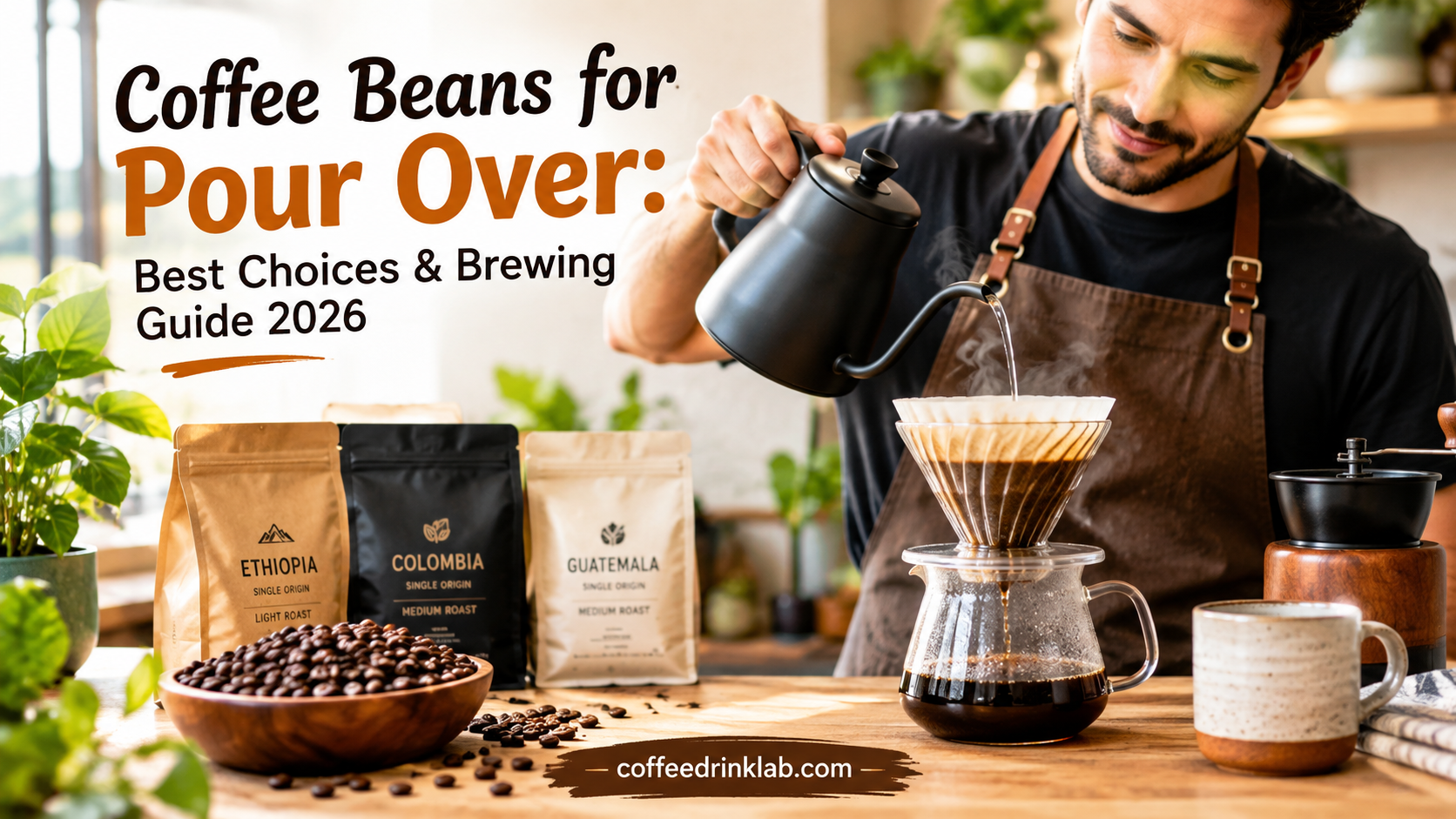
Coffee Beans for Pour Over: Best Choices & Brewing Guide 2026
Choosing the best coffee beans for pour over brewing can completely transform your morning cup. If you’re looking for good coffee beans for pour over, the best choice depends on roast level, origin, freshness, flavor notes, and grind size. From bright Ethiopian single-origin beans to balanced Colombian coffee and sweet medium roasts, pour over brewing can highlight subtle differences that other brewing methods may hide.
This guide explains how to choose coffee beans for pour over, including the best roast levels and origins, how fine to grind coffee beans for pour over, how much coffee to use, and which flavors work best with this brewing method. Whether you’re searching for the best pourover coffee beans for a V60, Chemex, or another brewer, these tips will help you build a cleaner and more flavorful cup at home.
Why Coffee Beans for Pour Over Brewing Matter
Pour over coffee is all about precision. Since the brewing method uses gravity and a slow, controlled pour, every characteristic of the coffee bean becomes more noticeable. Consequently, great beans produce a clean, balanced cup, while poor-quality beans can taste dull or bitter.
Unlike espresso, which relies on pressure, pour over brewing emphasizes delicate flavors and aromas. Therefore, fruity, floral, chocolatey, or nutty notes become much easier to recognize. That’s exactly why coffee enthusiasts often reserve their highest-quality beans for this brewing method.
Some of the biggest advantages include:
- Cleaner and brighter flavors
- Better aroma and complexity
- Greater control over extraction
- More noticeable tasting notes
- Easy to customize for personal preference
Best Coffee Beans for Pour Over Brewing at Home
Finding the best coffee beans for pour over brewing at home doesn’t necessarily mean buying the most expensive bag. Instead, it means choosing beans that match your preferred flavor profile while remaining fresh and properly roasted.
Generally, specialty-grade arabica beans deliver the most enjoyable results because they offer complex sweetness and pleasant acidity. Meanwhile, lower-quality beans may lack the clarity that makes pour over coffee so satisfying.
When shopping, look for:
- Fresh roast date (within 2–4 weeks)
- Whole beans instead of pre-ground coffee
- Specialty-grade arabica
- Clear origin information
- Flavor notes listed on the package
3. Roast Levels for Coffee Beans for Pour Over Brewing
Roast level has one of the biggest impacts on your final cup. Fortunately, pour over brewing works well with almost every roast, although each creates a very different experience.
1. Light Roast – Bright and Complex
Light roast beans are often considered the gold standard for best coffee beans for pour over brewing at home because they preserve the bean’s natural flavors. Furthermore, they highlight fruity acidity, floral aromas, and delicate sweetness.
They’re perfect if you enjoy tasting the unique characteristics of coffee from different growing regions.
Best flavor notes:
- Citrus
- Berry
- Floral
- Tea-like sweetness
- Honey
2. Medium Roast – Balanced and Sweet
Medium roast coffee offers an excellent balance between acidity and sweetness. As a result, it’s one of the most beginner-friendly choices for Coffee beans for pour over brewing.
Many coffee lovers appreciate medium roasts because they provide enough complexity without becoming overly bright or acidic.
Typical tasting notes:
- Caramel
- Milk chocolate
- Nuts
- Brown sugar
- Stone fruit
3. Dark Roast – Bold and Rich

Although dark roasts aren’t traditionally recommended for pour over, they can still produce an enjoyable cup for people who prefer bold flavors.
Instead of highlighting the bean’s origin, dark roasting emphasizes smoky, chocolatey, and roasted characteristics. Consequently, the coffee tastes fuller but less complex.
Dark roast commonly offers:
- Dark chocolate
- Toasted nuts
- Cocoa
- Smoky finish
- Low acidity
Single-Origin vs. Blend for Best Coffee Beans for Pour Over Brewing
One of the biggest decisions you’ll make is choosing between single-origin coffee and blends. Both can make excellent pour over coffee, but they serve different purposes.
| Feature | Single-Origin | Blend |
|---|---|---|
| Flavor | Distinct and unique | Balanced and consistent |
| Aroma | More complex | Smooth and familiar |
| Best For | Exploring coffee origins | Daily drinking |
| Consistency | Seasonal | Usually year-round |
| Price | Often higher | Usually more affordable |
If you’re searching for the best single origin coffee beans for pour over, look for freshly roasted beans with clear origin information and distinctive tasting notes. Single-origin coffees are especially useful for pour over because the slower, controlled extraction can reveal subtle characteristics from a specific growing region.
Ethiopian beans often provide floral and berry notes, Colombian coffee tends to offer balanced sweetness and chocolate flavors, while Kenyan beans can deliver bright acidity and juicy fruit characteristics. Blends are also excellent when you prefer a more consistent and balanced cup.
For most coffee lovers, the best choice depends on whether you want to explore unique origin flavors or enjoy a dependable everyday coffee.
4. Best Coffee Origins for Pour Over Brewing
Coffee-growing regions influence flavor just as much as roast level. Therefore, trying beans from different countries is one of the most enjoyable parts of the pour over experience.
1. Ethiopian Coffee
Ethiopian coffees are famous for their bright acidity and floral aroma. In addition, many naturally processed beans showcase blueberry, jasmine, and citrus flavors that truly shine during pour over brewing.
Best for:
- Fruity coffee lovers
- Light roast fans
- Floral flavor profiles
2. Colombian Coffee
Colombian coffee is widely loved because it offers exceptional balance. Many Colombian beans feature chocolate sweetness, caramel, nuts, and gentle fruit notes that work beautifully with pour over brewing. A medium roast Colombian bean can be an especially good choice if you want a smooth, balanced cup with enough acidity to keep the flavor interesting.
Best for:
- Everyday brewing
- Beginners
- Medium roasts
- Chocolate and caramel flavors
3. Guatemalan Coffee
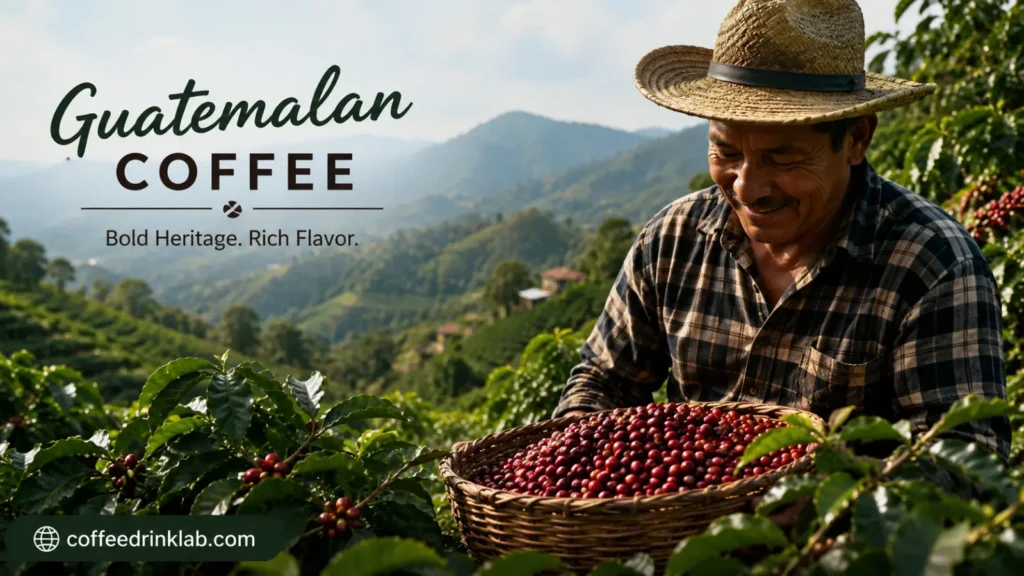
Guatemalan beans tend to produce a rich, full-bodied cup with chocolate, spice, and subtle fruit flavors. Consequently, they’re an excellent choice for coffee drinkers who enjoy a slightly bolder pour over.
Best for:
- Chocolate lovers
- Medium-dark roasts
- Rich body
4. Kenyan Coffee
Kenyan coffee is vibrant and juicy with noticeable berry-like acidity. Meanwhile, its wine-like complexity creates one of the most exciting pour over experiences available.
Best for:
- Experienced coffee drinkers
- Fruity cups
- Bright acidity
Freshness Is More Important Than Brand
Many people spend hours comparing brands, but freshness has a much greater impact on flavor. In fact, even an average specialty roaster can outperform a famous brand if the beans were roasted recently.
For the best coffee beans for pour over brewing at home, always check the roast date instead of relying only on the brand name. Ideally, brew coffee between one and four weeks after roasting, when the beans have released excess carbon dioxide but still retain their rich aroma and flavor.
Whole beans also stay fresh much longer than pre-ground coffee. Therefore, investing in a quality burr grinder is one of the smartest upgrades any coffee lover can make. Freshly grinding your beans just before brewing preserves the delicate oils and aromatic compounds that create an exceptional pour over cup.
3. How to Grind Coffee Beans for Pour Over
Even the best coffee beans for pour over won’t taste their best if the grind size is wrong. Pour over brewing depends on controlled extraction, so learning how to grind coffee beans for pour over is just as important as choosing the beans themselves.
1. How Fine to Grind Coffee Beans for Pour Over
So, how fine to grind coffee beans for pour over? In most cases, start with a medium or medium-fine grind and adjust it according to your brewer and taste. A V60 usually works well with a medium-fine grind, while a Chemex generally needs a slightly coarser grind.
A simple starting point is:
- V60: Medium-fine
- Kalita Wave: Medium
- Chemex: Medium-coarse
- Flat-bottom brewers: Medium
If the coffee tastes sour, weak, or watery, the grind may be too coarse and the water may be passing through too quickly. If it tastes bitter, harsh, or overly dry, try a slightly coarser grind.
2. How to Grind Coffee Beans for Pour Over
The best approach is to use a quality burr grinder and grind the beans immediately before brewing. Burr grinders create more uniform particles than most blade grinders, which helps water extract the coffee more evenly.
When grinding coffee beans for pour over, make small adjustments rather than changing the grind dramatically. This makes it easier to identify which setting produces the best flavor.
3. How Long to Grind Coffee Beans for Pour Over
If you’re wondering how long to grind coffee beans for pour over, there isn’t one universal number of seconds. Grinding time depends on the grinder, grind setting, and amount of coffee being prepared. Instead of relying only on a timer, grind until you reach the desired medium or medium-fine consistency.
For the most consistent results, measure your whole beans by weight before grinding and adjust the grinder setting rather than simply grinding for longer.
How Much Coffee Beans for Pour Over Should You Use?
Knowing how much coffee beans for pour over to use helps you control strength and extraction. A simple starting point is a coffee-to-water ratio of about 1:16, meaning 1 gram of coffee for every 16 grams of water.
For example:
| Water | Coffee Beans |
|---|---|
| 250 g | 15–16 g |
| 300 g | 18–19 g |
| 400 g | 25 g |
| 500 g | 31–32 g |
So, how many grams of coffee beans for pour over should you use? For a single cup, around 15–20 grams is a practical starting range, depending on the amount of water and how strong you prefer your coffee.
If you’re asking how many coffee beans for a pour over, measuring by weight is much more accurate than counting individual beans because coffee beans vary considerably in size and density. Use a digital coffee scale to measure the beans before grinding.
You can also adjust the ratio to suit your taste. Use slightly more coffee for a stronger cup or slightly less for a lighter cup while keeping the grind and brewing process consistent.
3. Best Coffee Beans for Pour Over Brewing at Home by Flavor Preference
One of the best things about pour over coffee is that you can tailor every cup to your own taste. Instead of chasing trends, choose beans that match the flavors you naturally enjoy.
1. For Fruity and Floral Cups

If you enjoy bright, refreshing coffee with noticeable acidity, light roast single-origin beans are an excellent choice. Ethiopian and Kenyan coffees are especially popular for pour over because their natural fruit and floral characteristics can become very clear during brewing.
If you’re wondering which whole beans have red berry notes for pour over coffee, look for light roast beans with tasting notes such as strawberry, raspberry, cherry, cranberry, or other red fruits. Naturally processed Ethiopian coffees and some Kenyan coffees can be good options when you want a vibrant, fruit-forward cup.
Look for flavor notes like:
- Strawberry
- Raspberry
- Cherry
- Blueberry
- Lemon
- Orange
- Jasmine
- Peach
2. For Chocolate and Nutty Flavors
Many coffee drinkers prefer a smoother, sweeter cup. Medium roast Colombian or Guatemalan beans usually provide rich chocolate, caramel, and toasted nut flavors without overwhelming acidity.
Common tasting notes include:
- Milk chocolate
- Caramel
- Hazelnut
- Almond
- Brown sugar
3. For Rich and Bold Coffee
If you like traditional coffee with a fuller body, medium-dark or dark roast beans are worth trying. Although they hide some of the bean’s natural characteristics, they create a comforting, robust cup.
Typical flavors:
- Cocoa
- Dark chocolate
- Toasted nuts
- Molasses
- Smoky finish
Tips for Brewing Better Pour Over Coffee
Even premium beans can produce disappointing coffee if the brewing process isn’t consistent. Fortunately, a few simple habits can make a noticeable difference.
Helpful brewing tips:
- Use filtered water whenever possible.
- Heat water to about 195–205°F (90–96°C).
- Rinse the paper filter before brewing.
- Bloom the coffee for 30–45 seconds.
- Pour slowly in circular motions.
- Keep your brew ratio around 1:16 (1 gram of coffee for every 16 grams of water).
Furthermore, keeping your equipment clean prevents old coffee oils from affecting the flavor of future brews.
Common Mistakes to Avoid
Even experienced coffee lovers occasionally make mistakes. Fortunately, most issues are easy to fix with a few small adjustments.
Some of the most common mistakes include:
- Buying stale coffee instead of freshly roasted beans.
- Using pre-ground coffee for several weeks.
- Grinding too fine or too coarse.
- Using boiling water directly from the kettle.
- Pouring water too quickly.
- Ignoring the coffee-to-water ratio.
- Storing beans in clear containers exposed to sunlight.
By avoiding these mistakes, you’ll consistently enjoy cleaner, sweeter, and more balanced cups.

How to Store Coffee Beans Properly
Freshness plays a major role in the quality of Coffee beans for pour over brewing. Once coffee is exposed to oxygen, moisture, heat, and light, its flavor begins to fade.
Store whole beans in an airtight, opaque container at room temperature. Additionally, keep them away from direct sunlight and avoid storing them in the refrigerator, where moisture and odors can affect their taste.
For the freshest results:
- Buy small quantities.
- Finish beans within 4–6 weeks of roasting.
- Grind only what you need.
- Keep containers tightly sealed.
The Final Talk
Choosing the right beans is one of the easiest ways to improve your pour over coffee. Fresh whole beans, a suitable roast level, the right grind size, and an accurate coffee-to-water ratio can make a noticeable difference in every cup.
For fruity and floral flavors, try light roast Ethiopian or Kenyan beans. If you prefer chocolate, caramel, and balanced sweetness, Colombian or Guatemalan medium roasts are excellent options. Most importantly, experiment with grind size and brewing ratios until you find the combination that suits your taste.
Whether you’re searching for the best coffee beans for pour over 2026 or simply learning how to brew better coffee at home, focus on freshness and consistency rather than choosing beans based only on popularity. With the right beans and a little practice, your pour over routine can produce a clean, flavorful cup that you genuinely enjoy.
FAQs:
The best coffee beans for pour over brewing are usually fresh whole specialty-grade beans with clear origin and tasting information. Light and medium roasts are popular because they can highlight fruity, floral, chocolate, caramel, and nutty flavors.
A practical starting point is around 15–20 grams of coffee for a single cup, depending on the amount of water and your preferred strength. A 1:16 coffee-to-water ratio is a useful starting point for most brewers.
Most pour over brewers work well with a medium to medium-fine grind. V60 brewers generally use a finer grind than Chemex brewers. Adjust the grind based on taste and how quickly water flows through the coffee bed.
Yes. Single-origin coffee can be excellent for pour over because the brewing method allows distinctive origin characteristics to stand out. Ethiopian, Colombian, Kenyan, and Guatemalan beans can each produce very different flavor experiences.
Light and medium roasts are popular choices for pour over. Light roasts can emphasize floral, fruity, and bright flavors, while medium roasts usually provide more sweetness, body, and balance.
Discovers More Blends
Hazelnut Coffee Beans: Flavor, Roasts & Brewing(2026)
Roasting Coffee Beans at Home Step by Step(2026)
How to Choose Coffee Beans Like a Pro(2026)







4 Comments