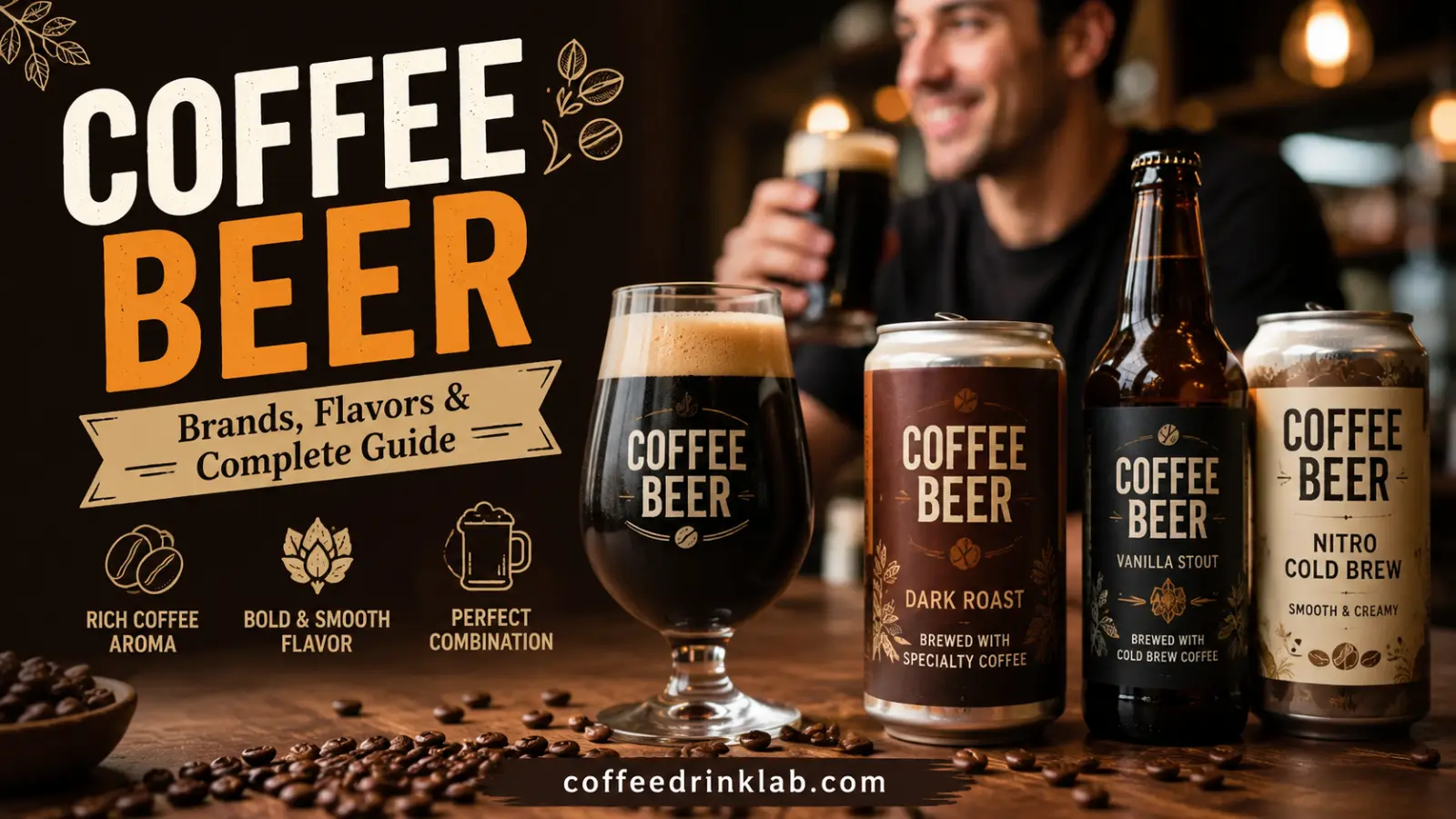
Coffee Beer: Brands, Flavors & Complete Guide
Coffee beer brings two very different flavor worlds together: roasted coffee and refreshing beer. For curious drinkers, the best the brew brands for beginners are usually smooth, balanced options that let the coffee character complement rather than overpower the malt, hops, and yeast. Some are dark stouts or porters, while others use lighter lager bases.
The result can range from chocolatey and roasty to surprisingly crisp and aromatic. Moreover, the beverage is not simply regular beer with a splash of brewed coffee added to the glass. Brewers can use coffee beans, cold-brew coffee, coffee extracts, or natural coffee flavors during production, creating very different flavor profiles.
Coffee Beer: What Is It and How Does It Taste?
Coffee beer is beer brewed with coffee or this style-derived ingredients to create recognizable coffee aroma and flavor. It can be made with whole coffee beans, ground coffee, cold-brew coffee, coffee extracts, or natural coffee flavors.
The result is often described as a the brew flavored beer, but the exact profile depends on the base beer and brewing method. Some versions taste like espresso and dark chocolate, while others have lighter caramel, nutty, or toasted notes.
A this style drink can therefore range from a rich stout to a crisp lager. This is why the term coffee lager beers covers a surprisingly broad range of styles rather than one specific type of beer.
How Does Coffee and Beer Taste Together?

At first, coffee and coffee porter might sound like an unusual combination. However, their roasted and bitter characteristics can work remarkably well together.
Darkly roasted malt already gives many beers flavors that remind people of coffee and cocoa. Adding real coffee can intensify those notes while contributing its own aroma and acidity.
A well-made roasted coffee lager may taste:
- Roasty and bittersweet
- Chocolate-like
- Smooth and creamy
- Nutty or caramelized
- Slightly acidic
- Toasty and malty
- Moderately bitter
The base beer makes a major difference. A stout generally creates a rich, dessert-like experience, whereas a lager can make the coffee character feel cleaner and more refreshing.
What Does this style Taste Like?
The flavor of the brew depends heavily on the base the brew ingredient, roast level, and brewing method. Some versions have an obvious espresso character, while others simply remind you of roasted coffee because of their dark malt profile.
Common descriptions include:
- Chocolate this style: Dark chocolate, cocoa, caramel, and roasted coffee notes.
- Stout roasted coffee porter: Full-bodied, roasty, creamy, and often bittersweet.
- Irish coffee lager: Coffee-inspired beer with flavor associations that may include roasted malt, coffee, chocolate, or creamy sweetness.
- Beer that tastes like coffee: Usually a stout, porter, or the drink-infused beer with noticeable roasted or espresso-like character.
- Coffee porter flavor: The coffee character may come from actual coffee ingredients or from roasted malts that naturally resemble coffee.
- Coffee taste beer: Some beers have a subtle this style aroma, while others are deliberately designed around a stronger coffee profile.
Not every dark beer contains the drink. Roasted barley and dark malts can create coffee-like aromas even when no coffee is added.
3. Coffee Beer Brands: Popular Styles and Examples
Coffee-inspired beer brands take different approaches to combining roasted coffee lager character with beer. Some use actual coffee ingredients, while others create coffee-like flavors through roasted barley and dark malts.
When comparing this style brands, look at the base style, coffee ingredient, roast profile, sweetness, bitterness, body, and alcohol content. This helps distinguish a true coffee porter-infused beer from a stout or porter that simply has naturally coffee-like flavors.
1. Guinness Cold Brew coffee porter
Guinness offers one of the most recognizable mainstream examples with its Cold Brew Coffee Beer. The official Guinness description identifies coffee, chocolate, and caramel notes, with a rich, smooth mouthfeel and noticeable coffee finish. The product contains cold-brew coffee extract and natural coffee flavors and is listed at 4% ABV.
That makes it particularly interesting for someone who already enjoys Guinness but wants a more pronounced coffee character. It is also a useful example of how nitrogen, roasted barley, and coffee can create a creamy drinking experience.
2. Chang Espresso Lager
Chang takes a very different approach with Chang Espresso Lager. Rather than building coffee flavor around a stout, the brand uses a lager base infused with an Arabica-Robusta coffee blend sourced from Southeast Asian plantations. Chang lists the beer at 4.8% ABV, with a dark amber-brown color.
This is a fascinating option for lager drinkers who want to explore coffee without immediately jumping into a heavy stout. The lighter beer foundation allows the roasted the brew aroma to remain distinctive.
3. Craft Coffee Stouts and Porters
American craft breweries have experimented extensively with coffee-infused stouts and porters. These beers often use specialty coffee chosen for particular flavor notes, such as chocolate, caramel, berry, citrus, or roasted nuts.
For beginners, look for moderate-strength versions rather than highly alcoholic imperial stouts. As a result, you can concentrate on the coffee and malt flavors instead of being overwhelmed by alcohol intensity.
The brew vs. Regular Stout: What Changes?
A regular stout can naturally have coffee-like flavors because roasted barley and dark malts create aromas associated with espresso and dark chocolate. Guinness Draught, for example, is officially described as having roasted coffee and chocolate aromas even though its listed ingredients do not include coffee.
This style-inspired the drink goes a step further by intentionally introducing this style ingredients or coffee flavor. Therefore, the difference is not necessarily color or strength; it is the source and intensity of the coffee character.
| Feature | Coffee Beer | Regular Stout |
|---|---|---|
| Coffee ingredient | Often yes | Not necessarily |
| Coffee flavor | Usually more pronounced | Can be naturally roasty |
| Base styles | Lager, stout, porter, ale | Primarily stout |
| Body | Light to full | Usually medium to full |
| Flavor | Coffee, malt, chocolate, caramel | Roast, malt, chocolate, toast |
| Best for | Coffee and beer explorers | Traditional dark-beer fans |
If you want an obvious coffee aroma, choose a coffee-infused beer. On the other hand, if you prefer subtle roasted notes, a traditional stout may be enough.
How to Make Coffee Beer: Understanding the Brewing Process
People searching how to make roasted this style are usually interested in how coffee porter character is introduced into beer. Commercial brewers may use coffee beans, cold-brew coffee, extracts, or other coffee-derived ingredients, with the timing and amount affecting aroma, bitterness, acidity, and body.
For homebrewers, the process involves fermentation, sanitation, ingredient control, and legal considerations, so the brew should not be treated as simply mixing finished beer with coffee-infused beer. The exact brewing process varies substantially by recipe and beer style.
1. Coffee Beans Added During Brewing
Some brewers add whole or crushed beans at a particular stage of production. The timing affects extraction and therefore influences aroma, bitterness, and acidity.
Whole beans can emphasize fragrance, while more extensive contact can pull additional flavor compounds into the beer. However, excessive extraction may create an unpleasantly harsh character.
2. Cold-Brew Coffee Method
Cold brew is another popular approach because it can provide concentrated coffee flavor with a smoother profile. Guinness Cold Brew roasted the drink stout stout flavors specifically uses cold-brew coffee extract alongside cold-brew beer flavors.
This technique can work particularly well when brewers want recognizable coffee flavor without introducing excessive sharpness.
3. Coffee Extracts and Natural Flavors
Extracts allow brewers to control coffee intensity more precisely. Consequently, they can build a consistent flavor profile while balancing sweetness, malt, hops, and carbonation.
The choice ultimately depends on the brewer’s goal. A specialty coffee porter stout might emphasize bean origin and roast character, while a widely distributed beer may focus on consistency and drinkability.
7. Best the beverage Brands for Beginners: What Should You Try First?
For a first taste, think about the beer styles you already enjoy. If you love dark chocolate, espresso, and creamy textures, begin with a coffee stout or porter. Meanwhile, lager fans may find a coffee-infused lager easier to appreciate.
Here is a simple starting guide:
| Your preference | Coffee beer style to try | Why |
| Dark chocolate | Coffee stout | Rich roasted character |
| Smooth beer | Nitro coffee stout | Creamier mouthfeel |
| Crisp lager | Coffee lager | Lighter base |
| Strong coffee | Espresso-style beer | More pronounced roast |
| Sweet flavors | Coffee porter | Chocolate and caramel notes |
| Traditional stout | Coffee-enhanced stout | Familiar foundation |
Most importantly, don’t assume darker automatically means stronger. Color, ABV, bitterness, body, and coffee intensity are separate characteristics.
1. Rebel Coffee Beer
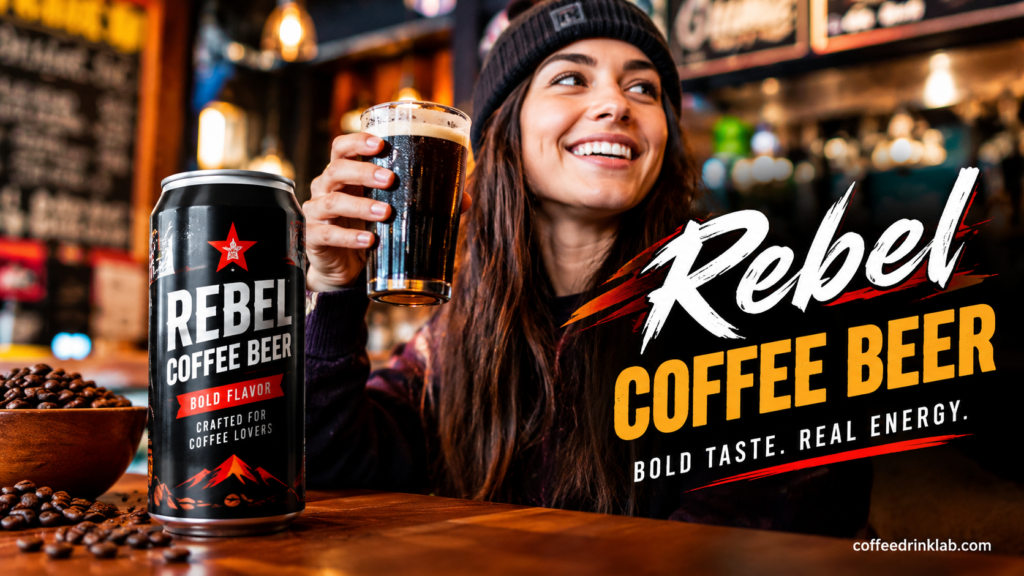
Rebel this category is another search variation worth addressing when comparing coffee-inspired beer products. The important distinction is whether coffee lager porter is an actual ingredient or whether the beer simply has roasted, espresso-like flavor characteristics.
When researching any Rebel this style-inspired beer-inspired beer product, check the exact product name and current product information. Ingredients, availability, and product formulations can vary by market or release.
2. Is Guinness a this style?
Whether Guinness is considered a the beverage depends on the specific Guinness product.
Some Guinness beers have noticeable coffee-like aromas because roasted barley and dark malt can create flavors that resemble espresso and dark chocolate. That does not automatically mean coffee was added.
For a product specifically made with coffee ingredients, check the product’s ingredient and product information rather than assuming every Guinness beer is a the drink.
3. Is Guinness Made With Coffee?
Not every Guinness product is made with coffee. Traditional Guinness styles can have a coffee-like taste because of roasted ingredients, while specific coffee-focused products may use coffee-derived ingredients.
4. Does Guinness Taste Like Coffee?
Some Guinness styles can taste reminiscent of coffee because of their roasted malt character. The exact impression varies by product, and a coffee-like flavor does not necessarily mean the beer contains actual coffee.
5. Does Stout Have Coffee?
Stout does not necessarily contain coffee. However, roasted barley and dark malts can produce flavors that people commonly describe as coffee-like, espresso-like, or chocolatey.
6. Why Does Stout Taste Like Coffee?
The roasted grains used in many stouts can create aromatic compounds associated with coffee and dark chocolate. As a result, a stout may have a strong coffee impression even when no coffee has been added.
7. Do Coffee Porters Have Caffeine?
A porter made with actual coffee or coffee-derived ingredients may contain some caffeine. However, the amount varies by product and is not necessarily listed in a standardized way. A regular porter can also taste like coffee without containing coffee or meaningful caffeine.
Chang this style: What Is Chang Espresso?
Chang Espresso is a coffee-infused lager rather than a traditional coffee stout. Chang says the beer uses an Arabica-Robusta coffee-inspired beer blend sourced from Thailand, Laos, and Vietnam, creating an aromatic coffee character in a lager base. It has a listed ABV of 4.8%.
This makes Chang Espresso particularly interesting for people who want to explore Asian coffee and beer culture. Unlike a heavy imperial stout, its lager foundation offers a different balance between roasted roasted coffee flavors, malt, and refreshing beer character.
1. Does the drink Have Caffeine? What About Lager?
Whether a the drink contains caffeine depends on whether it contains actual coffee or coffee-derived ingredients. A beer can have a coffee-like flavor without containing significant caffeine because roasted barley and dark malts can create similar sensory notes.
1. Does Lager Contain Caffeine?
Regular lager does not automatically contain caffeine. A lager becomes a potential source of caffeine when coffee, coffee extract, or another caffeinated ingredient is included in the product.
This distinction is important because coffee lager and coffee-flavored beer are not necessarily identical. Always check the specific product information when caffeine content matters.
1. Can You Make Coffee Beer at Home?

You can experiment with coffee flavors at home, but brewing alcoholic beer requires appropriate equipment, sanitation, fermentation control, and legal compliance. For beginners, the easiest route is usually to start with a commercially brewed beer and explore how different coffee flavors pair with it rather than attempting a full brewing project immediately.
If you’re an experienced homebrewer, coffee can be introduced in controlled amounts during or after fermentation depending on the recipe. Cold-brew concentrate can also be easier to measure than adding large quantities of beans, although sanitation and recipe design still matter.
Avoid simply pouring hot espresso beer into beer and expecting the same result as a professionally brewed roasted coffee flavors. Temperature, oxidation, dilution, carbonation, and bitterness can all affect the finished drink.
1. The beverage vs. Coffee-Flavored Beer
The terms the drink and coffee-flavored beer are often used interchangeably, but they can describe slightly different products.
A coffee-inspired beer may use whole beans, ground coffee, cold brew, coffee extract, or another coffee-derived ingredient. Meanwhile, a beer can develop a coffee-inspired beer-like flavor naturally from roasted barley and dark malts without containing actual the drink.
This is why a beer that tastes like coffee is not automatically a coffee-infused beer. When comparing products, check the ingredients and product description rather than judging only by the flavor.
How to Choose the Right Coffee Beer
Choosing one becomes much easier when you focus on flavor rather than the label alone. First, decide whether you want something light and refreshing or dark, rich, and dessert-like.
Then consider:
- Base style: Lager for a lighter experience; stout or porter for richer flavors.
- Coffee intensity: Look for espresso, cold brew, or strong coffee descriptions if you want pronounced roast.
- ABV: A moderate ABV can be easier for beginners.
- Sweetness: Chocolate and caramel notes often indicate a rounder profile.
- Bitterness: Coffee and roasted malt can both contribute bitterness.
- Body: Nitro and darker beers often feel creamier and fuller.
In addition, think about your normal coffee preference. Someone who drinks a bright Ethiopian light roast may enjoy a beer with coffee with fruity or floral notes, while a dark-roast espresso fan may prefer chocolate-heavy stout.
Coffee Beer Food Pairings
Beer brewed with coffee can be surprisingly versatile at the dinner table. Rich versions work particularly well with foods that have roasted, grilled, smoky, or chocolate flavors.
Try pairing it with:
- Burgers and grilled beef
- Barbecue
- Smoked meats
- Chocolate desserts
- Brownies and chocolate cake
- Aged cheddar
- Roasted nuts
- Coffee-based desserts
A lighter coffee lager can work with spicy foods and grilled chicken, while a rich coffee stout is better suited to desserts or intensely flavored savory dishes.
Coffee Beer Near Me and the drink Portland
Searches for the beverage near me usually have local intent. People may be looking for a brewery, taproom, beer garden, or retailer carrying coffee-inspired the drink in their area.
Similarly, coffee-inspired the brew Portland is a location-specific search that can lead readers toward breweries and beer destinations in Portland. Availability changes frequently, so local listings, brewery websites, menus, and current business information are more reliable than assuming a particular the brew is always available.
For any local search, check the current location, hours, menu, and product availability before making a trip.
The Final Talk
This category brings together roasted coffee character and the flavor of beer in many different ways. Some versions emphasize espresso, chocolate, and roasted malt, while others use a lighter lager base for a cleaner and more refreshing profile.
The most important thing to remember is that not every beer that tastes like coffee actually contains coffee. Stouts and porters can develop naturally coffee-like flavors from roasted grains, while true coffee beers may use beans, cold brew, extracts, or other coffee-derived ingredients.
Whether you’re researching the beverage brands, Guinness roasted the beverage PBR the drink, or local searches such as the drink near me, focus on the specific product, ingredients, flavor profile, and current availability.
Ultimately, the drink is a broad category rather than a single flavor. Understanding the difference between coffee-infused beer and naturally coffee-like beer makes it much easier to interpret labels, compare styles, and find the information that matches your search.
FAQs:
Sometimes. Some coffee beers contain whole beans, ground coffee, cold brew, extracts, or other coffee-derived ingredients. Other beers simply taste like coffee because of roasted grains.
The main difference is usually the base beer with this style ingredient, and brewing method. A coffee stout may be rich and creamy, while a coffee lager can be lighter, more refreshing, and more aromatic.
Stouts and porters are often the beer styles most associated with the drink-like flavors because roasted barley and dark malts can create espresso, cocoa, and roasted notes. Coffee-infused versions can have an even more obvious coffee character.
A balanced, moderate-ABV coffee stout is usually the easiest starting point. Guinness Cold Brew coffee stout is one approachable example, while Chang Espresso can appeal to people who prefer lager.
A coffee-flavored beer is generally called a roasted coffee lager, coffee-infused beer, or coffee stout when the base style is a stout. The exact name depends on the beer and the ingredients used.
Discover More Blends
Franke Coffee Machine: Complete Buying Guide
Picnic Coffee: Menu, Reviews, Locations & Outdoor Brewing Guide
Understanding Your Coffee Routine: Caffeine, Grind Size & Better Brewing






8 Comments