
Hazelnut Coffee Beans: Flavor, Roasts & Brewing(2026)
If you’re searching for the best hazelnut-flavored beans for home brewing, you’ve come to the right place. hazelnut coffee have become one of America’s favorite flavored coffee choices because they combine freshly roasted coffee with the warm, buttery aroma of roasted hazelnuts. As a result, they deliver a smooth, comforting cup that’s enjoyable any time of day.
How are flavored coffee beans made? Most hazelnut coffee beans are made by roasting the coffee beans first and then adding hazelnut flavoring to create their signature nutty aroma and taste. The flavoring may be natural or artificial, depending on the brand and product. This process creates the hazelnut coffee beans flavored profile many coffee lovers enjoy, while the underlying coffee still contributes its own roast and tasting notes.
Why Hazelnut Coffee Beans Are So Popular
Coffee lovers often look for a flavored coffee that enhances the natural taste of coffee instead of overpowering it. That’s exactly why hazelnut-flavored beans remain one of the most popular flavored options in the United States. Rather than tasting overly sweet, quality hazelnut coffee offers a balanced combination of nutty aroma, light caramel notes, and rich coffee flavor.
Furthermore, hazelnut complements both Arabica and Robusta beans exceptionally well. The natural sweetness of the flavoring softens bitterness while allowing the roasted coffee characteristics to remain noticeable.
Some of the biggest reasons people love hazelnut coffee include:
- Smooth and balanced flavor
- Pleasant roasted nut aroma
- Delicious hot or iced
- Excellent with milk or cream
- Available in whole bean and ground coffee
- Suitable for multiple brewing methods
Because of this versatility, it’s easy to see why so many coffee drinkers keep a bag in their kitchen year-round.
How Are Hazelnut Coffee Beans Made?
Hazelnut coffee beans are typically made by roasting coffee beans and then adding hazelnut flavoring to the roasted beans. The flavoring can be natural or artificial, depending on the brand and product. After roasting, the beans are flavored so the hazelnut aroma and taste can blend with the coffee’s natural characteristics. This is how hazelnut coffee beans are made and why they have a distinct nutty, sweet, and aromatic profile. If you have ever wondered how do they make hazelnut coffee beans, the key step is adding the hazelnut flavor after roasting rather than growing coffee beans that naturally contain hazelnut flavor.
How to Choose Quality hazelnut-flavored beans
Choosing the besthazelnut-flavored beans for home brewing depends on much more than simply picking the first flavored coffee you find. In fact, the quality of the base coffee beans, roast level, freshness, and flavoring process all contribute to your final cup.
Premium flavored coffees begin with freshly roasted beans before natural or artificial hazelnut flavoring is added. Higher-quality brands typically use better beans, resulting in a cleaner finish and richer aroma.
When shopping, consider these important factors:
- Whole bean vs. pre-ground coffee
- Roast level
- Fresh roast date
- Arabica or blend
- Natural or artificial flavoring
- Brewing method compatibility
A little extra attention when buying can make a significant difference in flavor.
How Are Hazelnut Coffee Beans Made?
Hazelnut coffee beans are typically made by roasting nutty coffee and then adding hazelnut flavoring to the roasted beans. The flavoring may be natural or artificial, depending on the brand and product. This process gives the coffee its familiar nutty aroma and sweet hazelnut taste while allowing the original coffee flavor to remain noticeable. If you are wondering how do they make hazelnut-flavored beans, the key step is adding the flavoring after roasting rather than using coffee beans that naturally contain hazelnut flavor.
How Are Hazelnut Coffee Beans Made?
Hazelnut coffee beans are typically made by roasting flavored coffee beans and then adding hazelnut flavoring to the roasted beans. The flavoring may be natural or artificial, depending on the brand and product. This process gives the coffee its familiar nutty aroma and sweet hazelnut taste while allowing the original coffee flavor to remain noticeable. If you are wondering how do they make flavored coffee beans, the key step is adding the flavoring after roasting rather than growing coffee beans that naturally contain hazelnut flavor.
Best Hazelnut Coffee Beans: What Makes a Good Choice?
The best hazelnut-flavored whole beans depend on your preferred roast, brewing method, and flavor intensity. Look for freshly roasted whole beans, a balanced hazelnut aroma, and a quality coffee base that complements the added flavor. Medium and medium-dark roasts are popular choices because they can provide caramel and chocolate-like notes alongside the hazelnut profile. If you enjoy espresso, choose beans with enough body to work well with espresso extraction and milk-based drinks. Checking the roast date, ingredient list, and flavoring information can also help you find the right beans for your taste.
1. What to Look for When Buying Hazelnut Coffee Beans
When deciding where to buy hazelnut-flavored beans, look for products with a clear roast date, quality packaging, and detailed information about the these beans and flavoring. Whole beans are a good choice if you have a grinder, while ground coffee is more convenient. You can also compare Arabica and blends, check whether the product is certified organic if that matters to you, and consider the package size based on how often you drink coffee. These factors can help you choose fresh, flavorful hazelnut-flavored beans that match your taste and brewing method.
2. Organic Hazelnut Coffee Beans
If you prefer products made with certified organic coffee, organic flavored coffee beans can be an option to consider. Keep in mind that organic certification generally applies to how the coffee is grown and processed, while the hazelnut flavoring is a separate ingredient to check on the product label. When shopping, look for clear certification information and review the ingredient list to understand what type of hazelnut flavoring is used.
Where to Buy flavored coffee beans
When deciding where to buy hazelnut-flavored whole beans, you can compare options from local grocery stores, coffee retailers, online marketplaces, and specialty coffee shops. Availability can vary by location and brand, so check the product details, roast date, ingredients, and customer reviews before buying. Shoppers may also search for flavored nutty coffee UK, flavored coffee beans Costco, or hazelnut-flavored whole beans wholesale depending on where they live and how much coffee they need. For wholesale purchases, compare package sizes, freshness, flavoring quality, and supplier terms before placing a larger order.
How Are Hazelnut Coffee Beans Made?
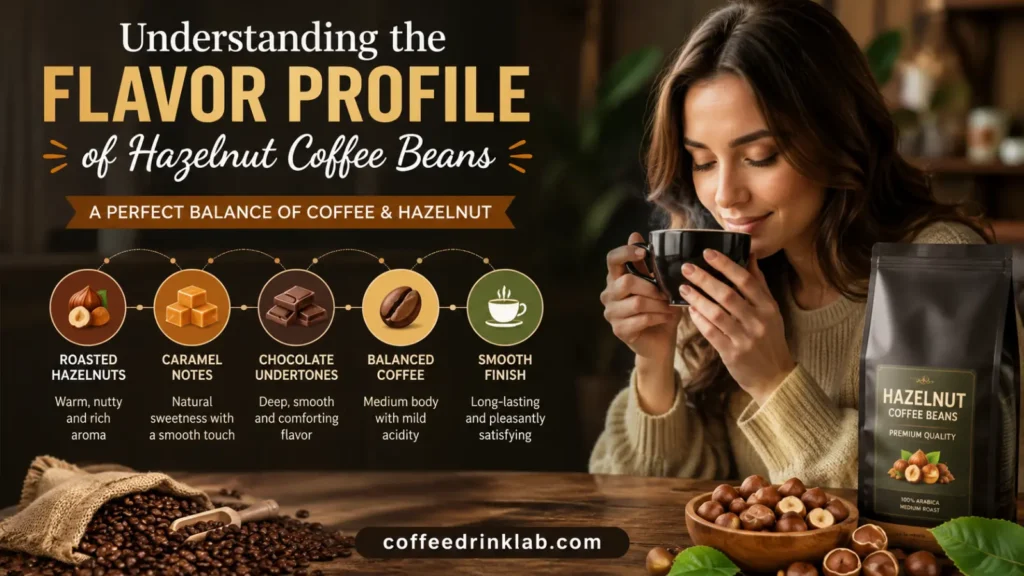
Understanding the Flavor Profile of Hazelnut Coffee Beans
One of the reasons hazelnut coffee beans continue to grow in popularity is their incredibly approachable flavor profile. Unlike stronger flavored coffees such as French vanilla or chocolate mocha, hazelnut enhances coffee instead of masking it.
Most drinkers notice roasted hazelnuts first, followed by subtle buttery sweetness and hints of caramel. Meanwhile, the coffee itself still provides chocolate, cocoa, and toasted grain notes depending on the roast.
Typical tasting notes include:
- Roasted hazelnuts
- Buttery sweetness
- Mild caramel
- Chocolate undertones
- Toasted almonds
- Smooth finish
For coffee lovers who prefer naturally sweet and nutty flavors, some whole these beans offer tasting notes of hazelnut, caramel, and chocolate without added hazelnut flavoring. When choosing the best whole beans with notes of hazelnut and caramel, look for medium-roast coffees with naturally sweet and nutty tasting notes. Similarly, which whole these beans have hints of hazelnut and chocolate often depends on the bean origin, roast level, and tasting profile. If you prefer a softer, sweeter cup, coffees with hazelnut and caramel notes can be a good choice, while chocolate and hazelnut notes often work especially well in espresso and milk-based drinks.
Understanding Coffee Roast Levels
Roast level plays an enormous role in how hazelnut flavor develops. Even if two coffees use identical flavoring, the roast can completely change the drinking experience.
1. Light Roast
Light roast hazelnut coffee allows more of the bean’s natural characteristics to shine through. Therefore, you’ll notice brighter acidity alongside gentle nutty sweetness.
Best for:
- Pour-over
- Chemex
- Manual brewing
- Fruity coffee lovers
Arabica or Robusta: Which Bean Should You Choose?
The type of coffee bean underneath the hazelnut flavor makes a noticeable difference in your cup. While the hazelnut aroma is important, the base bean determines the body, acidity, sweetness, and caffeine level. Therefore, choosing between Arabica and Robusta depends on the flavor experience you’re after.
Most premiumhazelnut-flavored beans use 100% Arabica because it delivers a naturally smooth and slightly sweet profile. Meanwhile, blends containing Robusta are often stronger, more bitter, and higher in caffeine, making them popular for espresso lovers.
| Feature | Arabica | Robusta |
|---|---|---|
| Flavor | Smooth, sweet, slightly fruity | Bold, earthy, slightly bitter |
| Caffeine | Moderate | High |
| Aroma | Rich and complex | Strong and intense |
| Body | Medium | Full |
| Acidity | Balanced | Low |
| Price | Usually higher | Usually lower |
| Best For | Drip, pour-over, French press | Espresso and strong coffee |
If you enjoy a mellow morning coffee with gentle hazelnut sweetness, Arabica is usually the better choice. On the other hand, if you prefer a stronger cup with extra caffeine and a bold finish, a blend containing Robusta may suit your taste.
2. Whole Bean vs. Ground Hazelnut Coffee Beans
Another important decision is whether to buy whole beans or pre-ground coffee. Although both can produce an enjoyable cup, freshness is often the deciding factor.
Whole hazelnut-flavored beans retain their aromatic oils much longer because the protective outer shell remains intact until grinding. As a result, you’ll enjoy a richer aroma and more vibrant hazelnut flavor when you grind just before brewing.
1. Whole Bean Hazelnut Coffee
Whole beans are ideal for coffee lovers who own a burr grinder. Grinding immediately before brewing preserves the delicate flavor compounds that create a fresh, aromatic cup.
Advantages
- Maximum freshness
- Richer aroma
- Better flavor retention
- Adjustable grind size
- Ideal for every brewing method
2. Ground Hazelnut Coffee
Pre-ground coffee offers unmatched convenience. Simply measure, brew, and enjoy without additional equipment. Although it loses freshness more quickly after opening, proper storage can help maintain its flavor.
Advantages
- Convenient
- No grinder required
- Perfect for beginners
- Consistent grind
- Ready to brew immediately
For most home brewers, whole beans offer the best overall experience. However, quality ground coffee remains an excellent option if convenience is your priority.
How to Store Coffee Beans for Maximum Freshness
Even the highest-quality flavored coffee beans can lose their rich aroma if they are stored improperly. Once coffee is exposed to air, moisture, heat, or light, the flavorful oils begin to break down. Therefore, proper storage is just as important as choosing premium beans.
For the freshest cup, keep your coffee in an airtight container and store it in a cool, dry cabinet away from direct sunlight. Furthermore, avoid refrigerating or freezing beans that you use every day, as repeated temperature changes can introduce moisture and affect flavor.

Simple Storage Tips
- Store in an airtight, opaque container.
- Keep away from heat and direct sunlight.
- Buy smaller bags if you drink coffee occasionally.
- Grind only the amount you need before brewing.
- Use within 3–4 weeks after opening for the best flavor.
By following these habits, you’ll preserve the smooth hazelnut aroma and enjoy a consistently delicious cup every morning.
Hazelnut Coffee Beans vs Regular Coffee
| Feature | Hazelnut Coffee | Regular Coffee |
|---|---|---|
| Flavor | Nutty, sweet | Natural coffee notes |
| Aroma | Hazelnut-forward | Roast-dependent |
| Sweetness | Usually more noticeable | Usually less pronounced |
| Flavoring | Often added | Usually none |
| Best for | Flavored coffee lovers | Traditional coffee drinkers |
Common Mistakes to Avoid When Brewing Hazelnut Coffee Beans
Brewing flavored coffee is straightforward, but a few common mistakes can prevent you from getting the best results. Fortunately, they’re easy to avoid once you know what to watch for.
Using water that’s too hot can scorch the coffee and make the hazelnut flavor taste muted or bitter. Likewise, grinding beans too far in advance allows the delicate aromatic compounds to fade before brewing.
Other mistakes include:
- Using stale beans
- Choosing the wrong grind size
- Brewing with poor-quality water
- Over-extracting the coffee
- Storing beans in their original open bag
- Using too much flavored syrup with already flavored coffee
Instead, aim for fresh beans, filtered water, and the correct grind size for your brewing method. As a result, the natural coffee flavors and roasted hazelnut notes will remain balanced.
Are Hazelnut Coffee Beans Worth Buying?
If you’re looking to add variety to your daily coffee routine, hazelnut coffee beans are absolutely worth trying. They offer a comforting balance of rich coffee flavor and warm, nutty sweetness without overwhelming the palate.
Additionally, they’re versatile enough to enjoy black, with cream, or in milk-based drinks. Whether you brew a classic drip these beans before work or prepare a creamy latte on the weekend, hazelnut-flavored beans provide a consistently enjoyable experience.
The Final Talk
Whether you’re new to flavored coffee or already enjoy experimenting with different roasts, hazelnut-flavored beans are a fantastic way to bring warmth and variety to your daily cup. Their smooth, nutty aroma, balanced sweetness, and compatibility with nearly every brewing method make them a favorite among coffee lovers across the United States. Furthermore, choosing high-quality beans, selecting the right roast, and storing them properly can make a noticeable difference in every sip.
Most importantly, don’t be afraid to explore different roast levels, brewing methods, and bean varieties until you discover your personal favorite. From a bright pour-over to a rich French press or a creamy latte, hazelnut coffee offers something for everyone. With the knowledge you’ve gained in this guide, you’re well prepared to choose the best hazelnut-flavored beans for your taste, brew with confidence, and enjoy a flavorful coffee experience at home every day.
FAQs:
Hazelnut coffee beans are typically made by roasting flavored nutty coffee and then adding hazelnut flavoring. The flavoring may be natural or artificial, depending on the product. This gives the coffee its characteristic nutty aroma and hazelnut taste.
Not always. Most hazelnut-flavored coffee uses added hazelnut flavoring rather than coffee beans that naturally taste like hazelnuts. Check the ingredient list to determine whether the product uses natural or artificial flavoring.
Hazelnut coffee contains added hazelnut flavoring that gives it a sweet, nutty aroma and taste, while regular coffee generally highlights the natural flavors produced by the bean’s origin and roast.
You can find flavored coffee beans through grocery stores, specialty coffee shops, online retailers, and some large retailers. Compare freshness, roast date, ingredients, and flavoring before buying.
Organic hazelnut-flavored beans can be a good option if you prefer certified organic coffee. However, organic certification does not necessarily mean the coffee will have a stronger hazelnut flavor, so also check the ingredients and tasting profile.
Discover More Blends
Best Coffee Beans for Cold Brew: Top Picks for (2026)
Panama Geisha Coffee Beans: Complete Guide
Brazilian Coffee Beans: Origin, Taste & Roasts
[auyhorbox]






4 Comments