

How to Choose Coffee Beans: A Complete Guide for Beginners (2026)
If you’ve ever wondered how to choose coffee beans, you’re not alone. Walking into a coffee shop or browsing online can feel overwhelming with terms like single-origin, arabica, medium roast, and tasting notes everywhere. Fortunately, understanding the best way to choose coffee beans for your taste preferences is much easier than it seems.
The best choice depends on your taste, freshness, roast level, and how you plan to brew the coffee. Whether you’re brewing with a French press, drip machine, espresso maker, or pour-over setup, the right beans make all the difference. This guide explains exactly what to look for so you can enjoy a fresher, more flavorful cup every morning.
Why Learning How to Choose Coffee Beans Matters
Knowing how to choose coffee beans helps you spend money wisely and enjoy coffee that actually matches your preferences. Instead of buying based on packaging alone, you can focus on roast level, origin, freshness, and flavor notes.
Additionally, selecting the right beans improves consistency in your brewing. A well-chosen coffee bean often delivers better aroma, sweetness, and balance regardless of your brewing method.
How to Choose Coffee Beans Based on Flavor Notes and Taste Preferences
When learning how to choose coffee beans based on flavor notes, start with flavors you already enjoy. Chocolate, caramel, nutty, and brown sugar notes tend to offer a familiar profile, while citrus, berry, floral, and tropical notes can provide a brighter and more adventurous cup.
The best way to choose coffee beans for your taste preferences starts with understanding what flavors you naturally enjoy. Some people love bright, fruity coffees, while others prefer rich chocolate or caramel notes.
Before buying, consider:
- Preferred roast level
- Brewing method
- Desired caffeine experience
- Flavor profile
- Freshness
- Budget
By matching these factors, you’ll find beans that suit your daily routine rather than following trends.
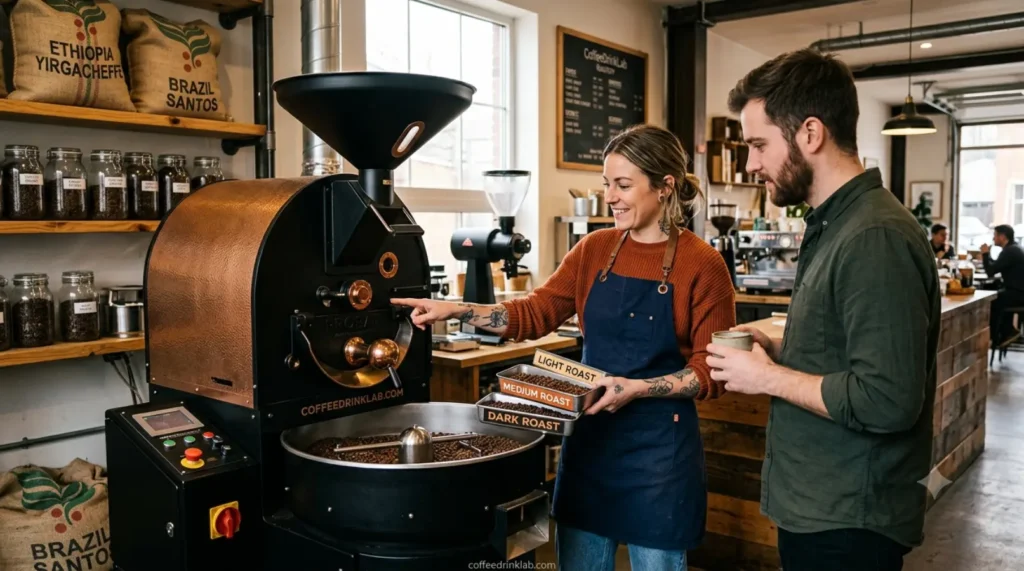
1. Start With Roast Level
How to choose coffee beans quality starts with more than the roast level. Look for a clearly stated origin, roast date, reputable roaster, clean packaging, and beans that match your preferred flavor profile. Quality coffee should also be fresh and properly stored.
How to choose coffee beans quality starts with more than the roast level. Look for a clearly stated origin, roast date, reputable roaster, clean packaging, and beans that match your preferred flavor profile. Quality coffee should also be fresh and properly stored.
Roast level has one of the biggest impacts on flavor.
2. Light Roast
Light roast beans preserve more of the bean’s original characteristics. They often highlight floral, citrus, or berry-like notes and work wonderfully in pour-over brewing.
- Bright acidity
- Fruity flavors
- Higher origin expression
- Excellent for specialty coffee lovers
3. Medium Roast
Medium roast strikes a balance between sweetness and acidity. It remains one of the most versatile options for American coffee drinkers.
- Balanced flavor
- Chocolate and caramel notes
- Suitable for drip coffee
- Great everyday choice
4. Dark Roast
Unlike lighter roasts, dark roast coffee offers deep, toasted flavors with hints of chocolate or caramel. The roasting process also reduces the perception of acidity while creating a bolder taste.Many espresso fans and those who enjoy black coffee appreciate its intense profile.
- Rich body
- Toasty flavors
- Lower acidity perception
- Pairs well with milk-based drinks
How to Choose Coffee Beans by Bean Type: Arabica vs. Robusta
Not all coffee species taste the same.
1. Arabica
Arabica beans dominate specialty coffee because they offer smooth sweetness and complex flavor notes. They typically contain less caffeine than robusta but provide greater nuance.
Common characteristics include:
- Floral aromas
- Fruit and chocolate notes
- Smooth finish
- Premium quality
2. Robusta
Robusta delivers stronger bitterness and more caffeine. It’s frequently used in espresso blends to create thicker crema and added intensity.
Typical features:
- Earthy taste
- Nutty profile
- Higher caffeine
- Fuller body

Pay Attention to Origin
The country and region where beans are grown strongly influence flavor.
For example, Central American coffees often feature bright acidity and citrus characteristics, while many South American beans emphasize chocolate and nutty sweetness. African coffees may showcase floral aromas and berry flavors, whereas Indonesian origins can present earthy, full-bodied profiles.
Trying different origins is one of the easiest ways to discover your personal favorites.
How to Choose Coffee Beans for a Specific Brewing Method
Choosing coffee beans for a specific brewing method means considering how the brewing process extracts flavor. Espresso, drip coffee, French press, and pour-over can each highlight different characteristics, so the ideal beans may vary depending on your equipment.
Your brewer should influence your bean selection.
1. Espresso Machines
For espresso machines, medium-dark or dark roast beans often produce the best results. Their richer flavor profile creates concentrated sweetness, a fuller body, and a satisfying crema that works well in espresso-based drinks. Many home baristas also prefer these roasts because they pair beautifully with milk in lattes and cappuccinos.
If you are learning how to choose coffee beans for espresso machine, start with beans that produce a balanced combination of sweetness, body, and acidity. Medium to medium-dark roasts are popular choices, but the best option ultimately depends on your grinder, espresso machine, recipe, and preferred taste. For those wondering how to choose coffee beans for espresso, freshly roasted whole beans and a consistent grind are usually more important than simply choosing a bag labeled “espresso.”
2. How to Choose Coffee Beans for a Coffee Shop
When choosing coffee beans for a coffee shop, consistency, freshness, customer preferences, and brewing equipment matter more than simply selecting the most expensive beans. A shop should consider whether the coffee will be served as espresso, drip coffee, pour-over, or milk-based drinks. Reliable blends can provide consistency, while single-origin coffees can add variety to a specialty menu.
3. How to Choose Coffee Beans in Australia
For readers learning how to choose coffee beans in Australia, consider local specialty roasters as well as beans sourced from established coffee-growing regions. Look for a clear roast date, origin information, tasting notes, and brewing recommendations. Australian specialty coffee culture also makes it easy to compare different roasts and origins before choosing a regular coffee.
4. Drip Coffee Makers
Medium roasts offer balanced extraction and broad appeal in automatic drip machines.
5. French Press
French press brewing highlights body and texture, making medium and dark roasts especially satisfying.
6. Pour Over
Light and medium roasts often shine in pour-over methods because they reveal delicate flavor notes.
Freshness Is More Important Than Expiration Dates
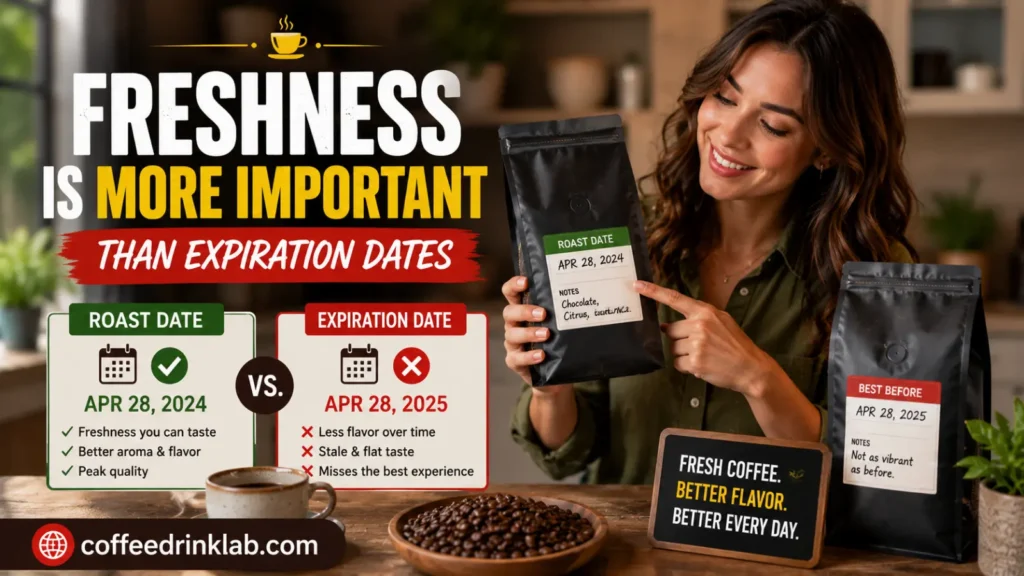
Many beginners focus only on expiration dates. However, roast dates tell a more useful story.
Ideally, purchase beans roasted within the past few weeks and grind them shortly before brewing. Whole beans retain aroma significantly longer than pre-ground coffee.
Freshness is one of the clearest indicators of coffee quality. Look for a recent roast date, intact packaging, proper storage, and whole-bean coffee when possible. These factors help preserve the beans’ aroma, flavor, and overall quality.
Look for:
- Clearly printed roast date
- Resealable packaging
- One-way degassing valve
- Proper storage recommendations
Whole Beans vs. Ground Coffee
Whole beans preserve volatile aromatic compounds until grinding, producing a fresher cup. Ground coffee offers convenience but loses flavor more quickly after opening.
If you own a burr grinder, whole beans are usually worth the extra effort.
Understanding Flavor Notes
Understanding flavor notes is an important part of learning how to choose coffee beans because tasting notes can give you an idea of what to expect before you brew.
You may encounter descriptions such as:
- Chocolate
- Caramel
- Citrus
- Berry
- Honey
- Nuts
- Brown sugar
- Floral
Reading these notes can help predict whether you’ll enjoy a particular coffee.
Single-Origin or Blend?
Single-origin coffees come from one geographic source and emphasize regional character. Blends combine beans from multiple locations to achieve consistency and balance.
Choose single-origin if you enjoy exploring unique flavors. Choose blends if you prefer dependable taste from bag to bag.
Best Way to Choose Coffee Beans for Your Taste Preferences on a Budget
Expensive doesn’t always mean better.
Instead, prioritize:
- Fresh roast date
- Trusted roaster
- Appropriate roast level
- Quality packaging
- Flavor profile matching your preferences
Many affordable specialty coffees outperform premium-priced options simply because they’re fresher.
Common Mistakes When Choosing Coffee Beans
New coffee drinkers often make avoidable errors.
Some of the most common include:
- Buying solely by package design
- Ignoring roast dates
- Choosing the darkest roast assuming it’s strongest
- Purchasing pre-ground coffee months in advance
- Using espresso beans for every brewing method without experimentation
Exploring gradually usually leads to better long-term satisfaction.
How to Choose Coffee Beans for Beginners
If you’re new to coffee, start with freshly roasted medium-roast beans and choose a flavor profile that you already enjoy. Match the beans to your brewing method, check the roast date, and buy whole beans when possible. As you become more familiar with coffee, try different origins, roast levels, and tasting notes to discover what suits your taste best.
Quick Reference Table
| Factor | What to Look For | Best For |
|---|---|---|
| Roast | Light, medium, dark | Flavor preference |
| Bean species | Arabica or Robusta | Sweetness vs. intensity |
| Origin | Single region or country | Unique taste profiles |
| Freshness | Recent roast date | Better aroma |
| Form | Whole beans | Maximum freshness |
| Brewing method | Match bean to equipment | Better extraction |
The Final Talk
Whether you’re learning how to choose coffee beans for espresso, a drip machine, French press, or another brewing method, the best choice comes down to freshness, flavor preference, roast level, and compatibility with your equipment.
Learning how to choose coffee beans doesn’t require becoming a professional barista. Instead, focus on roast level, origin, bean variety, freshness, and brewing method while paying attention to what tastes good to you personally. Over time, you’ll naturally discover patterns in the coffees you enjoy most.
Most importantly, don’t be afraid to experiment. Trying new origins, comparing light roast with dark roast, or switching between blends and single-origin coffees can make your daily cup far more enjoyable. Coffee is a journey, and each bag offers an opportunity to discover something new while building confidence in your own preferences.
14.FAQs:
Start with your preferred flavor profile and brewing method. Then consider roast level, origin, freshness, bean type, and the roast date before buying.
Beginners can start with freshly roasted medium-roast Arabica beans because they offer a balanced combination of sweetness, acidity, and body. From there, experiment with different origins and flavor notes.
Choose freshly roasted beans that provide the flavor and body you enjoy. Medium to medium-dark roasts are popular for espresso, although lighter roasts can also work well with the right recipe and extraction.
Start with tasting notes that match flavors you already enjoy. Chocolate, caramel, nuts, and brown sugar offer familiar profiles, while citrus, berries, and floral notes tend to be brighter and more complex.
Look for a recent roast date, clear origin information, reputable roasting, proper packaging, and flavor notes that match your preferences. Freshness and appropriate storage are also important.
Discovers More Blends
Best Coffee Beans for Cold Brew(2026)
Best Coffee Beans for Cold Brew: Top Picks for (2026)
Panama Geisha Coffee Beans: Complete Guide