Can You Use Regular Coffee Beans for Espresso?(2026)
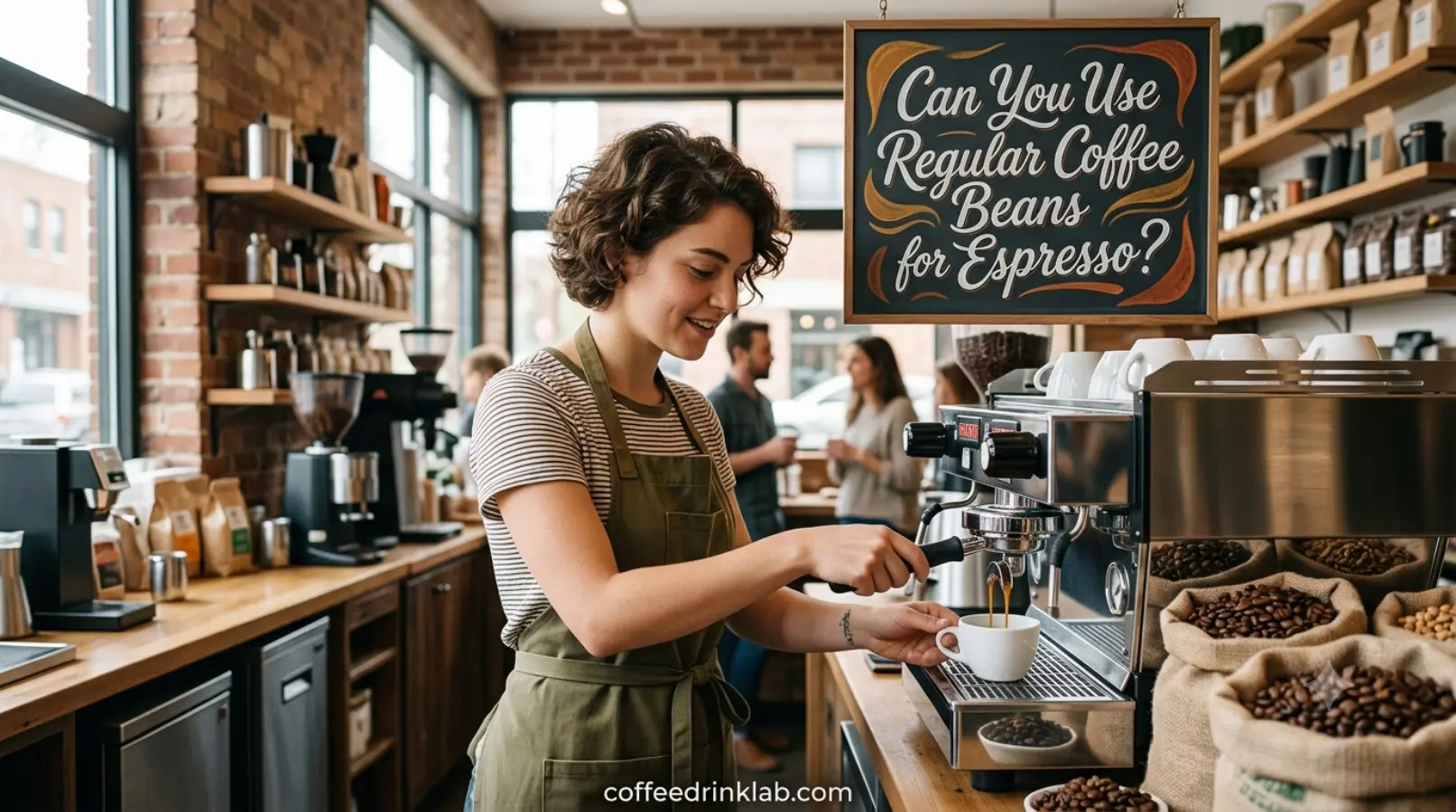
If you’ve ever wondered can you use regular coffee beans for espresso, you’re definitely not alone. Many home baristas assume they need special espresso beans, but the truth is more interesting than that. In fact, choosing the best regular coffee beans for espresso machines often comes down to roast level, grind size, and personal taste rather than a label on the bag.
Understanding the differences can help you save money, experiment with flavors, and brew a delicious shot that suits your preferences.
1.Can You Use Regular Coffee Beans for Espresso?
The short answer is yes—you absolutely can use regular coffee beans for espresso. Espresso is primarily a brewing method rather than a specific type of bean. What matters most is using a very fine grind and brewing under high pressure.
However, the results may vary depending on the roast profile and bean origin. Many coffees marketed as espresso blends are roasted darker to produce a rich body and lower acidity, while regular beans may offer brighter fruit notes or floral aromas.
2.Understanding the Best Regular Coffee Beans for Espresso Machines
If you’re shopping for the best regular coffee beans for espresso machines, pay attention to freshness, roast level, and quality rather than marketing terms. Freshly roasted Arabica beans often produce balanced espresso with pleasant sweetness and complexity.
Meanwhile, blends containing a small amount of Robusta can increase crema and caffeine, making them popular in traditional Italian-style espresso.
Roast Level Matters More Than the Label
Dark roast coffees tend to create bold, chocolatey espresso with lower acidity. They’re forgiving for beginners and pair well with milk drinks.
Medium roasts preserve more origin character and sweetness. As a result, they often produce balanced espresso shots with caramel, nutty, or fruity notes.
Light roasts can also be used, although they usually require careful dialing in. They often deliver vibrant acidity and complex flavors but may be harder to extract consistently.
3.Best Regular Coffee Beans for Espresso Machines: Roast Comparison ☕
| Feature | Light Roast | Medium Roast | Dark Roast |
|---|---|---|---|
| Flavor | Fruity and bright | Balanced and sweet | Rich and bold |
| Acidity | High | Medium | Low |
| Body | Light | Medium | Full |
| Milk Drink Compatibility | Good | Excellent | Excellent |
| Beginner Friendly | Moderate | Very Good | Excellent |
| Typical Notes | Citrus, berries | Caramel, nuts | Chocolate, smoke |
For many home users, medium or dark roasts provide the easiest path to enjoyable espresso while still offering plenty of flavor variety.
Grind Size Is Just as Important
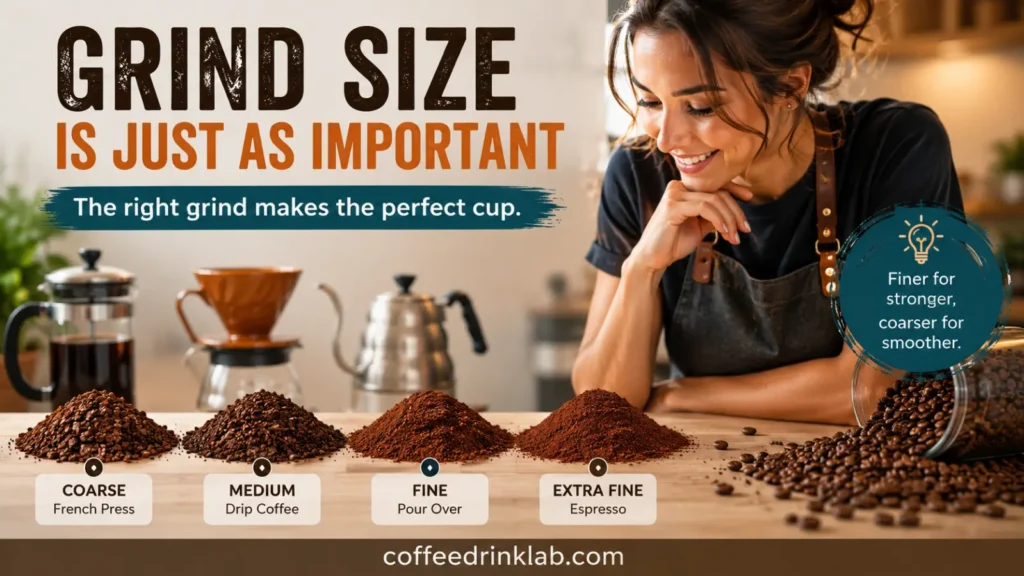
Even the highest-quality beans won’t make good espresso if they’re ground incorrectly. Espresso requires an extremely fine grind that allows pressurized water to extract concentrated flavors in roughly 25 to 30 seconds.
If the grind is too coarse, the shot may taste weak and sour. On the other hand, an overly fine grind can produce bitterness and slow extraction.
4.Using the Best Regular Coffee Beans for Espresso Machines with the Right Grind
Fresh grinding immediately before brewing dramatically improves aroma and taste. Burr grinders generally provide the consistency needed for espresso, helping create balanced extraction and a creamy texture.
5.Arabica vs. Robusta for Espresso
Arabica beans are known for sweetness, complexity, and delicate flavor notes. They dominate specialty coffee and often produce refined espresso shots.
Robusta beans contain more caffeine and typically deliver earthy, stronger flavors with thicker crema. Many commercial espresso blends combine both varieties for balance.
| Characteristic | Arabica | Robusta |
| Sweetness | Higher | Lower |
| Bitterness | Lower | Higher |
| Caffeine | Moderate | High |
| Crema | Good | Excellent |
| Flavor Notes | Fruit, chocolate, nuts | Earthy, woody |
| Specialty Coffee Use | Very Common | Often blended |
If you’re experimenting at home, start with quality Arabica beans and adjust according to your taste preferences.

6.Can You Use Grocery Store Coffee Beans for Espresso?
Yes, grocery store beans can work surprisingly well. The biggest factor is freshness. Beans that have been sitting on shelves for many months may lose aroma and produce flat-tasting espresso.
Therefore, check the roast date whenever possible. Whole beans ground immediately before brewing generally outperform pre-ground coffee by a significant margin.
7.Espresso Beans vs. Regular Coffee Beans ☕
Many people assume espresso beans are a separate species, but they are usually standard coffee beans roasted with espresso brewing in mind.
| Factor | Espresso-Labeled Beans | Regular Coffee Beans |
| Bean Type | Usually Arabica or blends | Arabica or blends |
| Roast Preference | Often darker | Any roast |
| Brewing Method | Optimized for espresso | Versatile |
| Flavor | Rich, balanced | Depends on roast |
| Flexibility | High | High |
Ultimately, the brewing technique and grind size influence the final cup just as much as the beans themselves.
8.Tips for Getting Better Espresso at Home
Learning espresso takes practice, but a few adjustments make a noticeable difference.
- Use freshly roasted whole beans.
- Grind immediately before brewing.
- Aim for consistent fine espresso grind.
- Keep equipment clean.
- Experiment with dose and extraction time.
- Store beans in an airtight container away from heat and light.
Additionally, don’t be afraid to test different origins. Single-origin coffees can produce exciting flavors, while blends often provide consistency.

9.Should Beginners Use Regular Coffee Beans for Espresso? 🍵
Absolutely. Beginners shouldn’t feel pressured to buy specialty espresso-labeled products. Many regular medium or dark roast coffees perform exceptionally well in home espresso makers.
Furthermore, experimenting with different beans helps develop your palate and teaches how roast level, origin, and freshness affect extraction.
10.Conclusion
So, can you use regular coffee beans for espresso? Without question, yes. Espresso depends more on brewing technique, grind consistency, and bean freshness than on marketing labels. If you choose quality beans and prepare them properly, regular coffee beans can produce rich, flavorful shots with satisfying crema and balanced taste.
As you continue exploring coffee, don’t hesitate to try medium roasts, dark roasts, single-origin beans, or carefully crafted blends. Every bag offers a new experience, and with a little practice, you’ll discover combinations that perfectly match your preferences. Whether you’re making a straight espresso or a creamy latte, understanding your beans will make every cup more enjoyable.
11.FQAs
Q1.What are the most popular can you use regular coffee beans for espresso?
The most popular choices are medium and dark roast whole beans with fresh roast dates. Many coffee drinkers also enjoy specialty Arabica blends because they provide balanced sweetness and body when brewed as espresso.
Q2.What is the difference between can you use regular coffee beans for espresso?
The main difference isn’t the beans themselves but how they’re prepared. Espresso-labeled beans are often roasted specifically for pressure brewing, while regular coffee beans may be roasted for broader brewing methods yet still work well for espresso.
Q3.Which can you use regular coffee beans for espresso is best for beginners?
Medium roast whole beans are often the easiest starting point. They provide forgiving extraction, balanced flavors, and excellent performance in most home espresso machines.
Q4.How do I choose the right can you use regular coffee beans for espresso?
Focus on freshness, roast level, and flavor preferences. Start with freshly roasted whole beans and adjust your grind size until you achieve a balanced extraction.
Q5.Can I use can you use regular coffee beans for espresso at home?
Yes. Home espresso machines can produce excellent results using regular coffee beans as long as they’re finely ground and brewed correctly.
Discovers More Blends
Cold Brew Coffee Beans: Complete Buying Guide(2026)
Do Coffee Beans Expire? Freshness Explained(2026)
Panama Geisha Coffee Beans: Complete Guide