How Long Do Roasted Coffee Beans Last?(2026)
Have you ever opened a bag of coffee only to wonder whether it’s still fresh enough to brew? If you’ve been asking how long do roasted coffee beans last, you’re definitely not alone. Understanding the best way to store roasted coffee beans for freshness can make the difference between an average cup and an exceptional one. After all, freshly roasted beans contain delicate aromas and flavorful oils that slowly fade over time. Fortunately, with proper storage and a few simple habits, you can enjoy delicious coffee for weeks after roasting instead of settling for stale flavors.
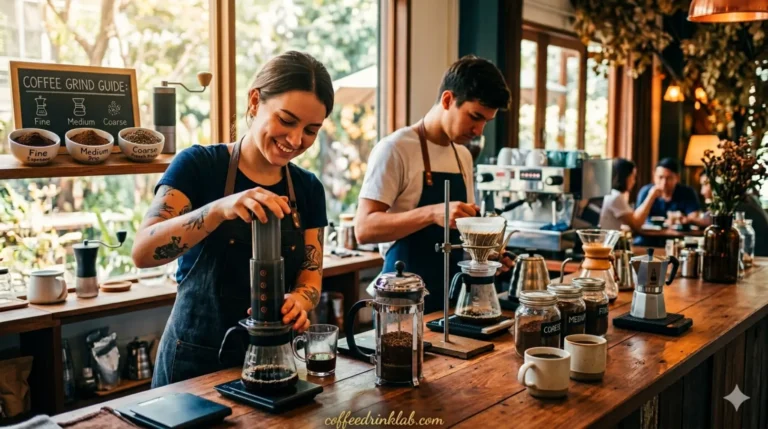
Whether you brew espresso, pour-over, French press, drip coffee, or cold brew, roasted coffee beans don’t stay at their peak forever. However, they also don’t spoil overnight. Knowing what affects freshness helps you buy smarter, store better, and enjoy every cup to its fullest. ☕
How Long Do Roasted Coffee Beans Last?
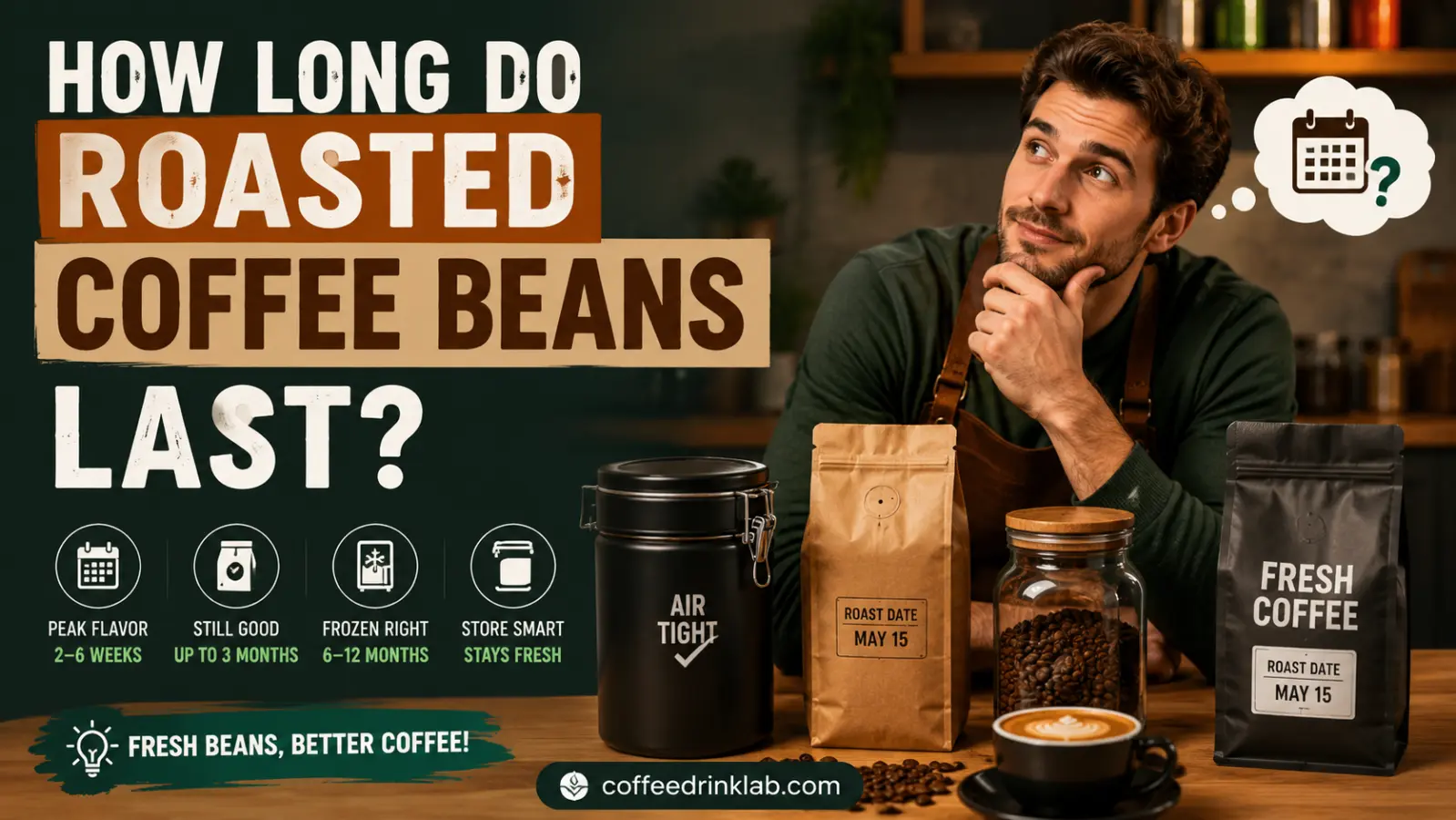
The simple answer is that roasted coffee beans typically remain at their best for 2 to 6 weeks after the roast date when stored correctly. However, that doesn’t mean they become unusable after this period. Instead, they gradually lose aroma, sweetness, and complexity.
Most specialty coffee lovers agree that beans reach their peak flavor a few days after roasting. During this resting period, excess carbon dioxide escapes from the beans, allowing flavors to develop more evenly. As a result, coffee tastes smoother and more balanced.
Here’s a quick overview:
| Storage Condition | Peak Flavor | Still Drinkable |
|---|---|---|
| Unopened sealed bag | 2–6 weeks | Up to 3 months |
| Opened bag | 2–4 weeks | About 6–8 weeks |
| Vacuum-sealed package | 1–3 months | Several months |
| Frozen properly | Up to 6 months | Up to 1 year |
While these timelines are general guidelines, roast level, packaging, and storage conditions all influence how long your beans remain fresh.
Why Freshly Roasted Coffee Changes Over Time ☕
Coffee beans are surprisingly complex. Even after roasting is complete, they continue undergoing small chemical changes that affect flavor and aroma.
Immediately after roasting, beans release carbon dioxide through a process called degassing. Meanwhile, oxygen slowly reacts with the flavorful oils inside the beans, causing oxidation. Over time, these reactions reduce the vibrant notes that make specialty coffee enjoyable.
Fresh beans often offer:
- Rich aroma
- Bright acidity
- Balanced sweetness
- Distinct origin flavors
- Smooth finish
Older beans, on the other hand, may taste:
- Flat
- Dull
- Woody
- Papery
- Less aromatic
Fortunately, slowing oxidation is easier than many people think.
Best Way to Store Roasted Coffee Beans for Freshness
If you truly want great coffee every morning, storage matters almost as much as the beans themselves. Even premium Arabica coffee can lose its character if left exposed to air and moisture.
The best way to store roasted coffee beans for freshness is in an airtight container placed in a cool, dry, and dark location. This protects the beans from their four biggest enemies: oxygen, heat, light, and humidity.
Good storage practices include:
- Store beans in airtight containers.
- Keep them away from direct sunlight.
- Avoid warm kitchen cabinets near ovens.
- Buy whole beans instead of pre-ground coffee.
- Only grind the amount you need before brewing.
These simple habits can noticeably improve the flavor of every cup.
Choose Airtight Containers
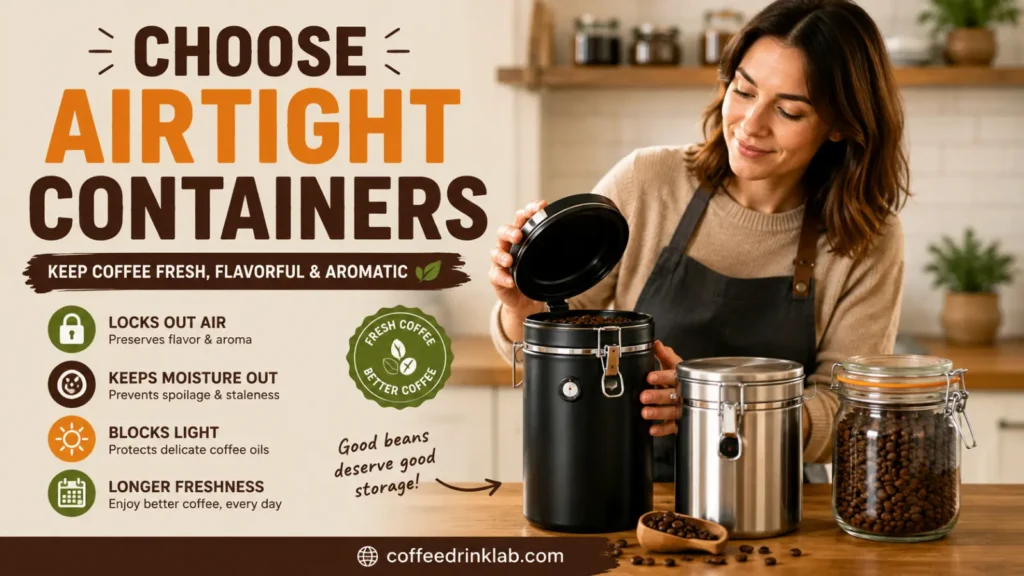
A quality airtight container is one of the best investments a coffee lover can make.
Containers made from stainless steel or opaque ceramic help block light while reducing exposure to oxygen. Many coffee enthusiasts also prefer containers with one-way valves that allow carbon dioxide to escape without letting oxygen enter.
Keep Coffee Away From Heat and Moisture
Although many people store coffee beside the stove for convenience, this location actually speeds up flavor loss.
Heat accelerates oxidation, while humidity encourages moisture absorption. Instead, choose a pantry or cupboard that stays cool throughout the day.
Most importantly, avoid refrigerating roasted coffee beans because refrigerators introduce moisture and unwanted food odors.
Factors That Affect How Long Roasted Coffee Beans Last
Not every bag of coffee ages at the same speed. Several factors determine how quickly roasted beans lose their freshness.
Roast Level Matters
The roast level significantly affects shelf life.
Light roast beans usually retain their original structure better and often stay flavorful slightly longer. Dark roast beans, however, contain more surface oils that oxidize more quickly after opening.
General comparison:
| Roast Level | Flavor | Freshness Duration |
|---|---|---|
| Light Roast | Fruity, floral | Slightly longer |
| Medium Roast | Balanced, sweet | Moderate |
| Dark Roast | Bold, smoky | Slightly shorter |
That doesn’t mean dark roast is inferior—it simply benefits from careful storage.
Bean Quality and Origin
High-quality Arabica beans often maintain their complexity longer than lower-grade beans because they begin with richer flavor compounds.
Single-origin coffees also tend to showcase subtle tasting notes that become less noticeable as freshness declines. Blends, meanwhile, may remain enjoyable for longer because their flavor profile is intentionally balanced.
Packaging Makes a Difference
Modern specialty coffee bags are designed specifically to preserve freshness.
Look for bags that include:
- One-way degassing valves
- Thick multilayer packaging
- Resealable closures
- Clearly printed roast dates
A roast date is much more useful than a simple expiration date because it tells you exactly how fresh the coffee is.
Best Way to Store Roasted Coffee Beans for Freshness After Opening ☕
Opening a fresh bag starts the clock on oxidation. Fortunately, you can slow this process considerably with a few easy habits.
First, reseal the original bag tightly if it’s designed with a quality zipper. Even better, transfer the beans into an airtight coffee canister.
Next, avoid opening the container repeatedly throughout the day. Instead, remove only the amount needed for each brew.
For households that drink coffee slowly, consider dividing a large bag into smaller airtight containers. This minimizes repeated oxygen exposure while keeping the remaining beans fresher for longer.

Can You Freeze Roasted Coffee Beans?
Many coffee lovers wonder whether freezing is a good way to extend freshness. The answer is yes—but only if it’s done correctly. Freezing can preserve roasted coffee beans for several months by slowing oxidation and preventing flavor compounds from breaking down. However, frequent temperature changes can damage the beans, so proper handling is essential.
If you buy coffee in bulk, divide it into small, airtight portions before freezing. That way, you only thaw what you need while keeping the remaining beans protected.
Best Way to Store Roasted Coffee Beans for Freshness in the Freezer
Using the best way to store roasted coffee beans for freshness in the freezer requires a little planning. Vacuum-sealed bags or freezer-safe airtight containers work best because they keep out moisture and air.
Keep these tips in mind:
- Freeze only whole coffee beans.
- Divide large bags into smaller portions.
- Use vacuum-sealed or airtight containers.
- Let beans reach room temperature before opening the container.
- Never refreeze previously thawed beans.
Following these steps helps preserve aroma and flavor while preventing condensation from affecting the beans.
Signs Your Roasted Coffee Beans Are No Longer Fresh
Coffee beans don’t usually become unsafe to drink, but they do lose the qualities that make coffee enjoyable. Learning to recognize stale beans helps you decide when it’s time for a fresh bag.
Freshly roasted coffee should have a rich, inviting aroma. As the beans age, that fragrance fades and the flavors become muted.
Common signs include:
- Little or no coffee aroma
- Flat or dull taste
- Woody or cardboard-like flavor
- Less crema when brewing espresso
- Dry-looking beans with faded oils
If you notice several of these signs, your beans have likely passed their peak freshness. While they’re still safe to brew, replacing them with freshly roasted coffee will produce a much more satisfying cup. ☕
Common Mistakes That Make Coffee Go Stale
Even high-quality coffee can lose its flavor quickly if it’s stored incorrectly. Fortunately, avoiding a few common mistakes can dramatically improve freshness.
Leaving the Bag Open
Every time coffee is exposed to air, oxidation speeds up. Always reseal the bag or transfer the beans to an airtight container immediately after use.
Storing Coffee in Clear Containers
Glass jars may look attractive on the counter, but sunlight breaks down the delicate compounds that create coffee’s aroma and flavor. Instead, choose opaque containers or keep glass jars inside a dark cabinet.
Buying Too Much Coffee
Buying coffee in bulk may seem economical, but most households can’t finish a large bag before freshness declines. Purchasing smaller amounts more often ensures better flavor in every cup.
Grinding Coffee Too Early
Ground coffee loses freshness much faster than whole beans because more surface area is exposed to oxygen. For the best results, grind only what you need right before brewing.
How Different Brewing Methods Benefit From Fresh Beans ☕
No matter how you brew coffee, freshness improves the final cup. However, some brewing methods highlight stale coffee more than others.
Espresso
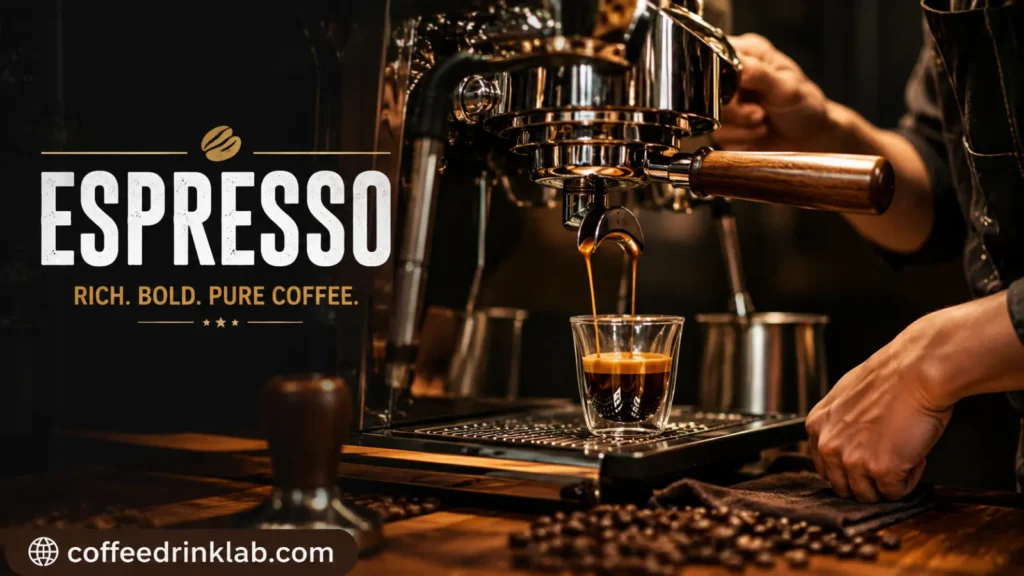
Espresso relies on fresh oils and carbon dioxide to produce a rich crema. Fresh beans create a sweeter, fuller-bodied shot with better texture.
Pour-Over
Pour-over brewing showcases delicate flavor notes such as citrus, berries, chocolate, or floral aromas. Fresh beans allow these characteristics to shine.
French Press
French press brewing emphasizes body and richness. Fresh coffee delivers a cleaner finish and a more balanced flavor profile.
Drip Coffee
Drip coffee benefits from fresh beans because they produce a brighter, smoother cup with more noticeable origin characteristics.
Quick Freshness Checklist
Here’s a simple guide to keeping roasted coffee beans tasting their best.
| Best Practice | Why It Matters |
|---|---|
| Buy whole beans | Stay fresh longer than ground coffee |
| Check the roast date | Helps you buy fresher coffee |
| Store in an airtight container | Reduces oxygen exposure |
| Keep away from heat and light | Slows flavor loss |
| Grind just before brewing | Maximizes aroma and taste |
| Freeze only extra beans | Extends shelf life properly |
Conclusion ☕
Knowing how long do roasted coffee beans last helps you enjoy every cup at its fullest potential. While roasted beans generally taste best within two to six weeks of their roast date, proper storage can preserve their flavor much longer. By following the best way to store roasted coffee beans for freshness, you’ll protect the rich aromas, balanced sweetness, and unique flavor notes that make specialty coffee so enjoyable.
Whether you prefer espresso, French press, pour-over, or a classic drip machine, fresh beans always make a noticeable difference. Furthermore, buying smaller quantities, storing them in airtight containers, and grinding only what you need will consistently improve your coffee experience. Coffee is meant to be enjoyed at its best, so don’t be afraid to experiment with different beans, roast levels, and brewing methods until you find your perfect cup. Every fresh brew is another opportunity to appreciate the craft behind great coffee.
FAQs:
Q1.What are the most popular how long do roasted coffee beans last?
People searching how long do roasted coffee beans last usually want to know how long whole beans remain fresh after roasting and opening. Most specialty coffee experts recommend using them within two to six weeks for the best flavor, although properly stored beans remain drinkable for much longer.
Q2.What is the difference between how long do roasted coffee beans last?
The answer depends on whether the beans are unopened, opened, vacuum-sealed, or frozen. Storage conditions, roast level, and packaging all influence how quickly coffee loses freshness and aroma.
Q3.Which how long do roasted coffee beans last is best for beginners?
Beginners should focus on buying freshly roasted whole beans in small quantities and storing them in airtight containers. This simple approach provides excellent flavor without requiring expensive equipment.
Q4.How do I choose the right how long do roasted coffee beans last?
Always look for a roast date rather than just an expiration date. Choose coffee roasted within the past few weeks and purchase only what you’ll use within about a month.
Q5.Can I use how long do roasted coffee beans last at home?
Absolutely. Whether you use a drip coffee maker, espresso machine, French press, AeroPress, or pour-over brewer, fresh roasted beans will significantly improve your coffee at home.
Discovers More Blends
Best Coffee Beans for French Press: Complete Buying Guide
Coffee Beans for Pour Over Brewing Guide
How Long Do Coffee Beans Stay Fresh Before Going Stale?