
How Long Does Coffee Beans Last After Opening?(2026)
Coffee lovers often ask how long does coffee beans last, especially after buying a fresh bag from a local roaster or grocery store. Fortunately, understanding how long do whole coffee beans stay fresh after roasting helps you enjoy richer flavor, stronger aroma, and a better brewing experience every day.
Although coffee beans don’t spoil overnight, they gradually lose freshness when exposed to oxygen, moisture, heat, and light. Therefore, learning the right storage methods can make a noticeable difference whether you brew espresso, French press, pour-over, or drip coffee.
How Long Does Coffee Beans Last?
The simple answer is that whole coffee beans can last for months, but their best flavor window is much shorter. While coffee doesn’t become unsafe immediately after roasting, its complex aromas and flavor notes begin fading as soon as the roasting process ends.
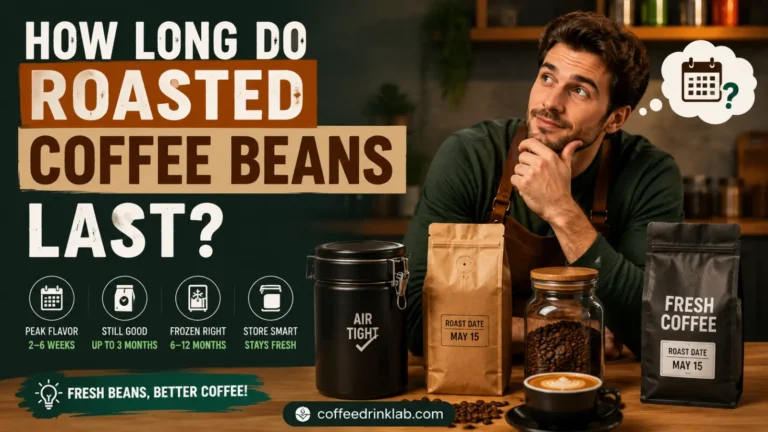
Most specialty coffee professionals agree that freshly roasted beans taste their best within 2 to 6 weeks after roasting. Meanwhile, unopened bags with one-way valves can maintain good quality for several months if stored correctly. Once opened, however, oxygen starts breaking down the flavorful oils inside the beans.
Here’s a quick overview.
| Coffee Bean Condition | Expected Freshness |
|---|---|
| Freshly roasted | Best after 5–10 days of resting |
| Opened bag | 2–4 weeks |
| Unopened sealed bag | 3–6 months |
| Vacuum-sealed beans | Up to 6 months |
| Frozen correctly | Up to 12 months |
Although the beans may still be drinkable beyond these periods, you’ll likely notice flatter flavors and less aroma.
Best Storage Tips for How Long Do Whole Coffee Beans Stay Fresh After Roasting ☕
If you’re investing in premium Arabica or single-origin coffee, proper storage matters just as much as choosing quality beans. Even expensive coffee can become dull when stored carelessly.
Fortunately, preserving freshness is easier than many people think.
Store Beans in an Airtight Container
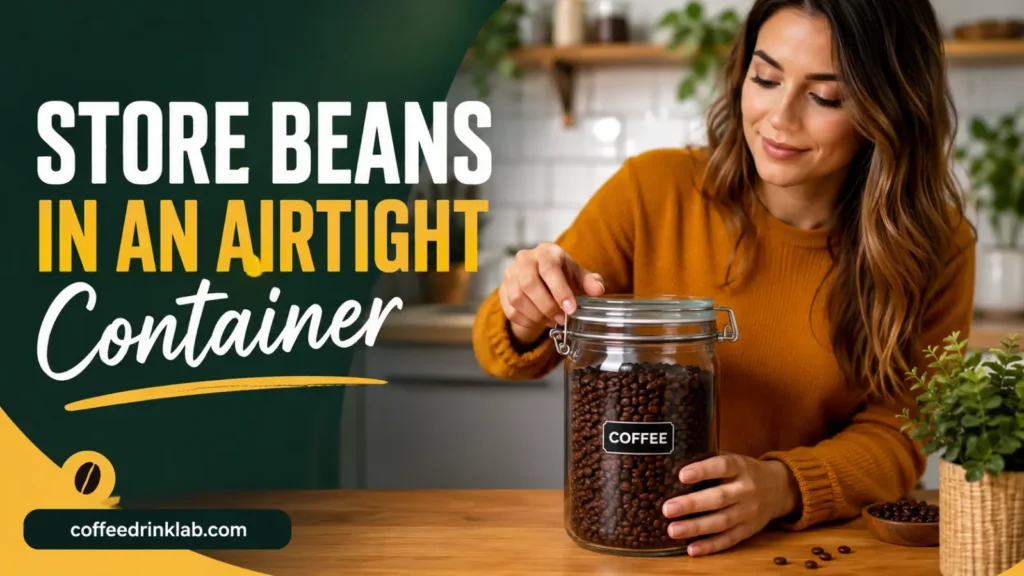
Oxygen is the biggest enemy of fresh coffee. Every time air reaches the beans, oxidation slowly removes the oils responsible for sweetness and aroma.
Choose containers made from:
- Stainless steel
- Ceramic
- Opaque glass
- Vacuum-sealed coffee canisters
Avoid clear containers sitting on the kitchen counter where sunlight can reach the beans.
Keep Coffee Away from Heat
Heat speeds up the aging process.
Instead of storing beans near:
- Ovens
- Dishwashers
- Coffee makers
- Sunny windows
place them inside a cool kitchen cabinet where temperatures remain stable.
Avoid Moisture
Coffee beans naturally absorb moisture from the air. As a result, humidity can reduce flavor while encouraging mold under extreme conditions.
For this reason, never store coffee beside:
- The sink
- Refrigerator door
- Steam-producing appliances
A dry pantry remains one of the safest places.
Protect Coffee from Light
Direct sunlight slowly damages the aromatic compounds developed during roasting.
Dark storage spaces help preserve:
- Chocolate notes
- Fruity flavors
- Nutty sweetness
- Floral aromas
Simply keeping beans in an opaque container can significantly improve freshness.
Why Coffee Beans Go Stale ☕
Many people assume stale coffee means “expired coffee.” However, these are two different things.
Coffee becomes stale because the delicate compounds responsible for flavor gradually disappear. Furthermore, natural oils react with oxygen, making the coffee taste flat or even slightly bitter.
The biggest reasons include:
- Oxygen exposure
- Light
- Heat
- Moisture
- Frequent opening of the container
Therefore, reducing these environmental factors helps coffee stay enjoyable much longer.
Best Storage Methods for How Long Do Whole Coffee Beans Stay Fresh After Roasting
Every storage method offers different results. Some are excellent for daily use, while others work better for long-term preservation.
| Storage Method | Freshness Rating | Best For |
|---|---|---|
| Airtight container | ⭐⭐⭐⭐⭐ | Daily use |
| Vacuum canister | ⭐⭐⭐⭐⭐ | Premium beans |
| Pantry cabinet | ⭐⭐⭐⭐ | Everyday storage |
| Freezer (sealed) | ⭐⭐⭐⭐ | Long-term storage |
| Refrigerator | ⭐ | Not recommended |
The refrigerator may seem convenient, but coffee absorbs nearby food odors surprisingly quickly. As a result, your morning brew can develop unwanted flavors.
Does Roast Level Affect Freshness?
Absolutely. Roast level influences how quickly coffee begins losing flavor after roasting.
Light Roast
Light roast beans contain less surface oil. Consequently, they usually maintain freshness slightly longer while preserving fruity and floral flavor notes.
They’re ideal for:
- Pour-over
- Chemex
- Drip coffee
- Single-origin brewing

Medium Roast
Medium roast strikes an excellent balance between sweetness, acidity, and body. It also stores well when protected from oxygen and moisture.
You’ll often notice:
- Caramel flavors
- Chocolate notes
- Balanced acidity
- Smooth finish
Dark Roast
Dark roast beans develop more surface oils during roasting. Although these oils create bold flavor, they also oxidize faster after opening.
Dark roast works wonderfully for:
- Espresso
- Milk-based drinks
- Cappuccino
- Latte
- French press
Because of the exposed oils, dark roast generally benefits from careful storage in airtight containers.
How to Tell If Coffee Beans Are No Longer Fresh ☕
Even if you know how long does coffee beans last, the roast date isn’t the only clue. Your senses are often the best way to judge freshness. Fresh coffee has a rich aroma and vibrant flavor, while stale beans lose many of the qualities that make coffee enjoyable.
Weak or Missing Aroma
Freshly roasted coffee should release a pleasant scent as soon as you open the bag. Depending on the origin and roast level, you may notice chocolate, caramel, nuts, berries, or floral notes. However, if the beans smell dull or almost odorless, they have likely lost much of their freshness.
Flat or Bitter Flavor
Fresh beans produce a balanced cup with sweetness, acidity, and body. As coffee ages, oxidation breaks down the flavorful compounds. Consequently, your brew may taste flat, papery, or unusually bitter instead of rich and satisfying.
Oily Appearance
Some surface oil is normal on dark roast coffee. However, excessive oil—especially on older beans—can indicate oxidation. Over time, these oils become rancid, negatively affecting both aroma and taste.
Dull Crema in Espresso
If you brew espresso, stale beans often produce very little crema. Fresh coffee contains trapped carbon dioxide that helps create a thick, golden crema. Once that gas escapes, the espresso loses both texture and complexity.
Common Mistakes That Make Coffee Beans Go Stale Faster ☕
Many coffee drinkers unknowingly shorten the life of their beans through everyday habits. Fortunately, avoiding these mistakes is simple.
Leaving the Bag Open
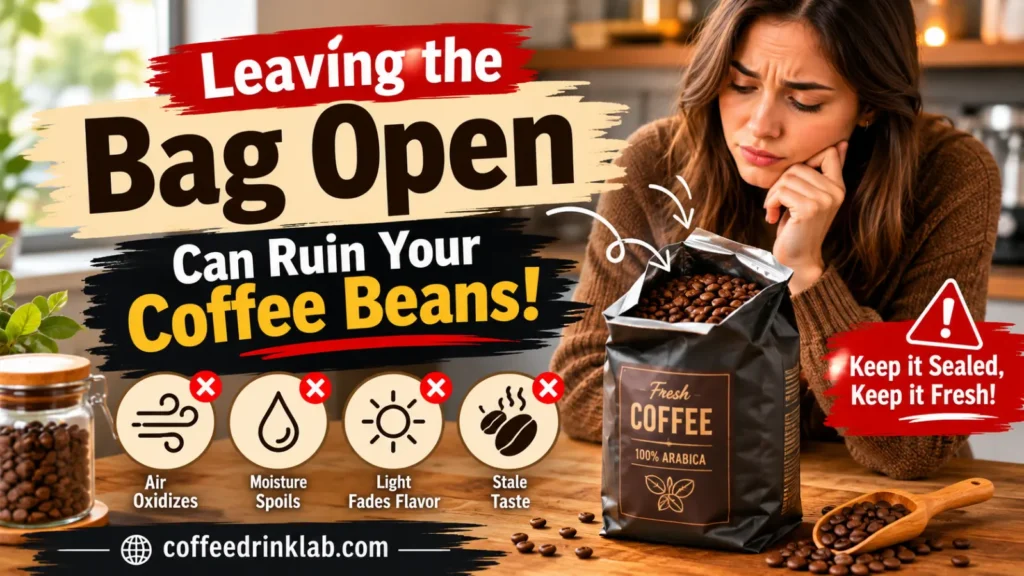
Every minute the bag stays open allows more oxygen to reach the beans. Therefore, always reseal the bag immediately or transfer the coffee to an airtight container.
Buying Too Much Coffee
Warehouse-sized bags may seem like a bargain, but freshness matters more than quantity. Instead, purchase enough beans to last about two to four weeks.
Grinding Too Early
Whole beans retain their flavor much longer than ground coffee. For the best cup, grind only the amount you need right before brewing.
Storing Coffee Near Heat
Cabinets above ovens or beside dishwashers may seem convenient, but they expose coffee to constant temperature changes that speed up aging.
Best Practices for How Long Do Whole Coffee Beans Stay Fresh After Roasting
If you want café-quality coffee every morning, following a few simple habits makes a noticeable difference. These practices help preserve the delicate flavors developed during roasting.
- Buy freshly roasted beans whenever possible.
- Check the roast date instead of only the expiration date.
- Store beans in an opaque, airtight container.
- Keep coffee in a cool, dry pantry.
- Grind beans immediately before brewing.
- Purchase smaller quantities more often.
- Freeze only unopened or well-sealed portions if storing for several months.
These habits are especially helpful whether you brew with a French press, drip machine, espresso maker, or pour-over setup.
Does Freezing Coffee Beans Help?
Freezing coffee remains one of the most debated topics among coffee enthusiasts. In fact, when done correctly, freezing can preserve beans for several months without causing significant flavor loss.
The key is preventing moisture and repeated temperature changes. Divide coffee into small, airtight portions before freezing. Then remove only the amount you’ll use over the next few days. Avoid thawing and refreezing the same beans repeatedly, as condensation can damage their flavor.
For coffee you plan to drink within a month, a cool pantry is usually the better option.
Conclusion ☕
Understanding how long does coffee beans last helps you enjoy better-tasting coffee every single day. Although whole coffee beans can remain safe to use for months, their peak flavor is usually found within the first few weeks after roasting. Most importantly, proper storage protects the rich aromas, natural sweetness, and unique flavor notes that make every cup memorable.
Whether you enjoy a bright light roast, a balanced medium roast, or a bold dark roast, freshness plays a bigger role than many people realize. Furthermore, storing beans in an airtight container, protecting them from heat, moisture, light, and oxygen, and grinding them just before brewing will consistently improve your coffee. ☕ With these simple habits, you’ll get more value from every bag and enjoy delicious coffee from the first cup to the last.
FAQs:
Q1.What are the most popular how long does coffee beans last?
Most coffee lovers find that whole beans deliver their best flavor for about two to six weeks after roasting. While unopened bags may stay enjoyable for several months, freshly roasted beans always produce the richest aroma and taste.
Q2.What is the difference between how long does coffee beans last?
The biggest difference depends on whether the beans are unopened, opened, whole, or ground. Whole beans stored properly remain fresh much longer than ground coffee because less surface area is exposed to oxygen.
Q3.Which how long does coffee beans last is best for beginners?
For beginners, buying small bags of freshly roasted whole beans is the easiest approach. Store them in an airtight container and grind only what you need before brewing for consistently fresh coffee.
Q4.How do I choose the right how long does coffee beans last?
Start by checking the roast date instead of focusing only on the expiration date. Then choose a quantity you’ll finish within a few weeks and store it away from heat, light, moisture, and air.
Q5.Can I use how long does coffee beans last at home?
Absolutely. Whether you own an espresso machine, French press, drip coffee maker, or pour-over brewer, properly stored whole coffee beans will produce excellent coffee at home.
Discovers More Blends
French Press Coffee Beans Explained
Best Coffee Beans for Drip Coffee Explained(2026)
Can Coffee Beans Go Bad in Storage?(2026)