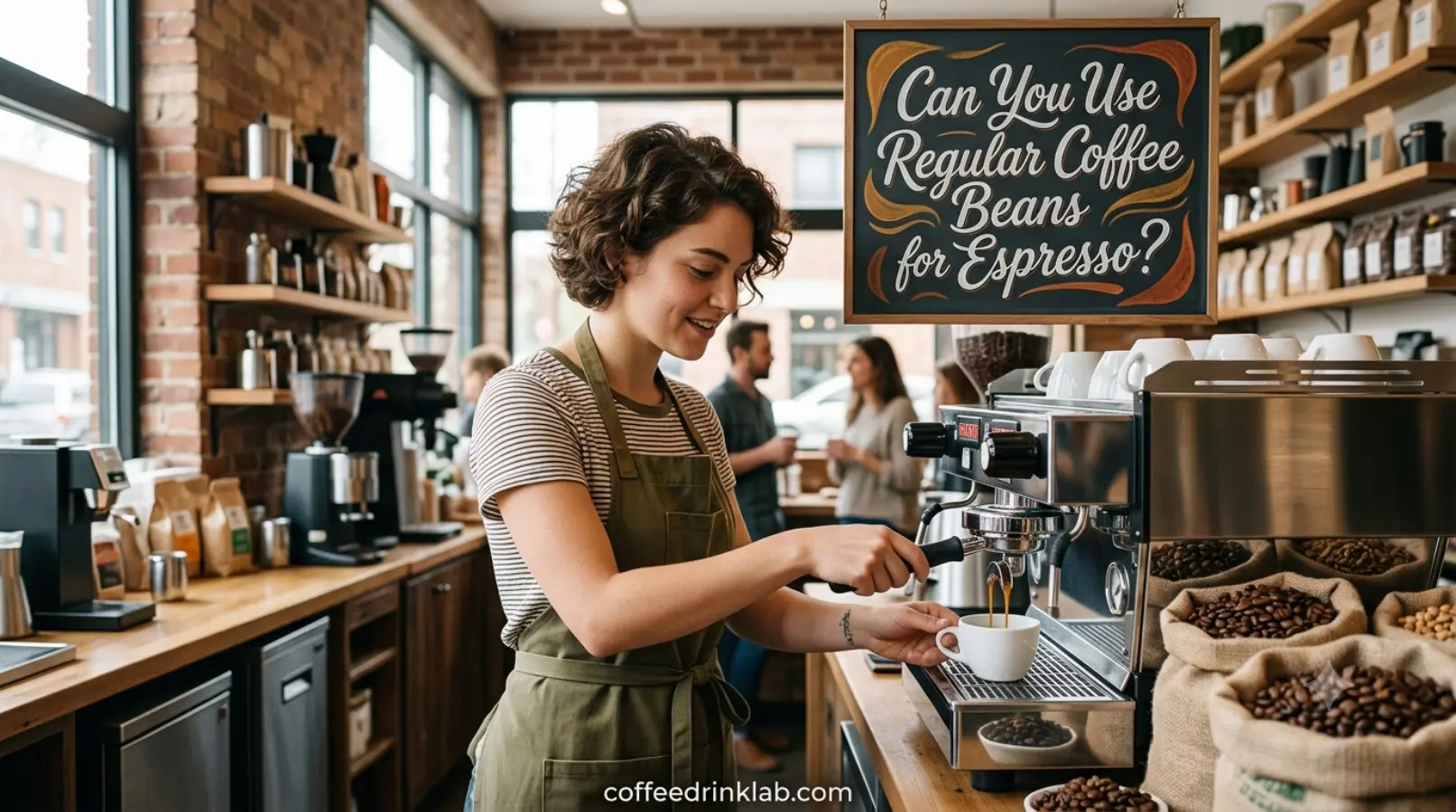
Can You Use Regular Coffee Beans for Espresso? Regular vs. Espresso Beans (2026)
If you’ve ever wondered, can you use regular coffee beans for espresso, the answer is yes. Many beginners also ask, can I make espresso with regular coffee, or do you have to use espresso beans in an espresso machine. In most cases, you don’t need beans specifically labeled “espresso.”
Regular coffee beans can work well for espresso when they are fresh, ground finely and consistently, and brewed with the right dose and extraction settings.
Can you use any whole beans for espresso? Yes, in most cases. Can you use regular coffee beans for espresso? Absolutely. Espresso is a brewing method, not a specific species or type of coffee bean. You can use Arabica, Robusta, blends, light roasts, medium roasts, or dark roasts, provided the beans are suitable for your machine and ground correctly.
Quick Answer: Can You Use Any Coffee Beans for Espresso?
Yes, you can use regular coffee beans for espresso. You do not have to use beans specifically labeled “espresso” in an espresso machine. Espresso is a brewing method, not a specific type of coffee bean. Freshness, grind size, dose, and proper extraction have a bigger impact on the final shot than the label on the coffee bag.
Whole Beans vs. Pre-Ground Coffee for Espresso
When people say “regular coffee,” they may mean either whole coffee beans or pre-ground coffee. Both can be used to make espresso, but freshly ground whole beans are generally preferable because you can control the grind size. Espresso requires a fine, consistent grind, while pre-ground coffee may not have the right grind size or freshness for your espresso machine.
Can You Use Regular Coffee Beans for Espresso?
Yes, you can use whole beans for espresso. Can any beans be used for espresso? In most cases, yes Arabica, Robusta, blends, and single-origin coffee varieties can all be used to make espresso. Can coffee types be used for espresso even if they are not labeled “espresso”? Absolutely, as long as they are fresh and ground correctly for espresso.
You can also make espresso with regular coffee varieties the most important factors are grind size, dose, freshness, and proper extraction.
Do You Have to Use Espresso Beans in an Espresso Machine?
No, you do not have to use espresso beans in an espresso machine. You also do not have to use special beans for espresso because espresso is a brewing method, not a separate type of coffee bean. You can use regular coffee beans in an espresso machine as long as they are fresh and ground to a fine, consistent espresso grind. Freshness, grind size, dose, and extraction have a greater impact on the final shot than whether the beans are labeled “espresso.”
Can you use regular coffee beans for espresso? Yes, and regular whole beans can be used for espresso as long as they are fresh and ground correctly. Espresso machines extract coffee under pressure, so the grind size, dose, freshness, and extraction settings matter more than whether the package says “espresso.”
Can You Use Regular Coffee Beans in an Espresso Machine?
Yes, you can use regular coffee beans in an espresso machine. You can make espresso with regular coffee beans as long as they are fresh and ground correctly for espresso. You can also use normal coffee in an espresso machine without buying beans specifically labeled “espresso.”
Espresso is made by forcing hot water through finely ground coffee under pressure, so grind size, dose, freshness, and extraction time have a greater impact on the final shot than the label on the coffee bag.
What Regular Coffee Beans Are Best for Espresso?
When choosing the best regular coffee varieties for an espresso machine, focus on freshness, roast level, and bean quality rather than whether the package says “espresso.” Medium and dark roasts are often easier to work with and can produce rich, balanced shots, while light roasts can offer brighter and more complex flavors.
Fresh whole beans are generally a better choice than older pre-ground coffee because they retain more aroma and flavor. Arabica beans can provide sweetness and complexity, while Robusta blends can add body, caffeine, and thicker crema. Ultimately, can any beans be used for espresso? Yes, as long as they are fresh and prepared with the right grind and brewing settings.
1. Roast Level Matters More Than the Label
Dark roast coffees tend to create bold, chocolatey espresso with lower acidity. They’re forgiving for beginners and pair well with milk drinks.
Medium roasts preserve more origin character and sweetness. As a result, they often produce balanced espresso shots with caramel, nutty, or fruity notes.
Also, don’t claim that dark roast is automatically better for espresso. Explain that medium, medium-dark, and dark roasts can all work, while lighter roasts may require different extraction settings.
Best Regular Coffee Beans for Espresso Machines: Roast Comparison
| Feature | Light Roast | Medium Roast | Dark Roast |
|---|---|---|---|
| Flavor | Fruity and bright | Balanced and sweet | Rich and bold |
| Acidity | High | Medium | Low |
| Body | Light | Medium | Full |
| Milk Drink Compatibility | Good | Excellent | Excellent |
| Beginner Friendly | Moderate | Very Good | Excellent |
| Typical Notes | Citrus, berries | Caramel, nuts | Chocolate, smoke |
For many home users, medium or dark roasts provide the easiest path to enjoyable espresso while still offering plenty of flavor variety.
Grind Size Is Just as Important as the Coffee Beans
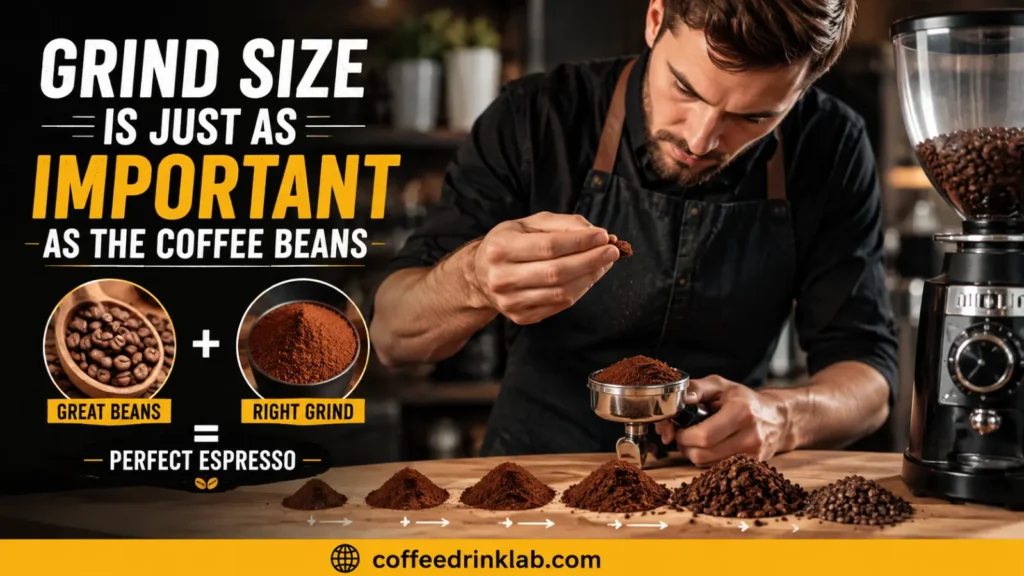
Even the highest-quality beans won’t make good espresso if they’re ground incorrectly. Espresso requires an extremely fine grind that allows pressurized water to extract concentrated flavors in roughly 25 to 30 seconds.
If the grind is too coarse, the shot may taste weak and sour. On the other hand, an overly fine grind can produce bitterness and slow extraction.
Can You Grind Regular Coffee Beans for Espresso?
Yes, you can grind regular coffee beans for espresso. Use a burr grinder if possible and choose a fine, consistent grind suitable for your espresso machine. Start with a finer setting and adjust it based on the extraction time and taste of the shot. The beans do not need to be labeled “espresso” as long as they are fresh and ground correctly.
Using the Best Regular Coffee Beans for Espresso Machines with the Right Grind
Fresh grinding immediately before brewing dramatically improves aroma and taste. Burr grinders generally provide the consistency needed for espresso, helping create balanced extraction and a creamy texture.
Arabica vs. Robusta for Espresso
Coffee lovers often choose them for their smooth taste and balanced acidity. Roasters choose different roast levels to create different flavor profiles. They dominate specialty coffee and often produce refined espresso shots.
Robusta beans contain more caffeine and typically deliver earthy, stronger flavors with thicker crema. Many commercial espresso blends combine both varieties for balance.
| Characteristic | Arabica | Robusta |
| Sweetness | Higher | Lower |
| Bitterness | Lower | Higher |
| Caffeine | Moderate | High |
| Crema | Good | Excellent |
| Flavor Notes | Fruit, chocolate, nuts | Earthy, woody |
| Specialty Coffee Use | Very Common | Often blended |
If you’re experimenting at home, start with quality Arabica beans and adjust according to your taste preferences.

Can You Use Grocery Store Coffee Beans for Espresso?
Can I use regular arabica beans for espresso if they come from a grocery store? Yes. Grocery-store freshly roasted coffees can work well for espresso, especially when they have a recent roast date and are ground correctly. Freshness and grind quality usually matter more than whether the beans are labeled “espresso.”
What Happens When You Use Regular Coffee Beans in an Espresso Machine?
If you’re still wondering whole coffee beans machines don’t recognize special beans, the answer is yes. whole coffee beans machines don’t recognize special beans they simply force hot water through finely ground coffee. The quality of your shot depends on bean freshness, grind consistency, dose, and extraction time far more than whether the bag says “espresso.”
Difference Between Espresso Beans and Regular Coffee Beans
These beans are not a separate species of coffee bean. They are usually standard Arabica, Robusta, or blends that are selected or roasted with espresso brewing in mind. Can any beans be used for espresso? Yes, most coffee beans can be used for espresso when they are fresh and ground correctly.
The main differences between espresso-labeled beans and regular coffee beans are usually the roast level, flavor profile, grind size, intended brewing method, and freshness. Grind fresh beans immediately before brewing.
| Factor | Espresso-Labeled Beans | Regular Coffee Beans |
|---|---|---|
| Bean Type | Arabica, Robusta, or blends | Arabica, Robusta, or blends |
| Roast Level | Often medium to dark | Light, medium, or dark |
| Grind Size | Fine for espresso | Depends on brewing method |
| Flavor | Often rich and full-bodied | Varies by roast and origin |
| Intended Use | Designed with espresso in mind | Usually versatile |
| Freshness | Important | Important |
Ultimately, you do not have to use espresso beans for espresso. Freshness, grind size, dose, and proper extraction have a major impact on the quality of your espresso.
Are Espresso Beans Different From Regular Coffee Beans?
No, coffee grounds are not a separate type or species of coffee bean. The espresso machine brews coffee under high pressure.They can be Arabica, Robusta, or a blend of both.
Roasters choose different roast levels to create different flavor profiles.What matters most is using fresh beans, grinding them finely and consistently, and dialing in the dose and extraction for your espresso machine.
Do You Have to Use Special Beans for Espresso?
No, you do not have to use special beans for espresso. fresh beans labeled “espresso” are not a separate type of bean. You can use regular freshly roasted coffee for espresso as long as they are fresh and ground correctly. The most important factors are grind size, dose, freshness, and extraction. Choosing different beans can change the flavor, but an espresso machine does not require beans specifically labeled “espresso.”
Tips for Getting Better Espresso at Home
Learning espresso takes practice, but a few adjustments make a noticeable difference.
- Use freshly roasted whole beans.
- Grind immediately before brewing.
- Aim for consistent fine espresso grind.
- Keep equipment clean.
- Experiment with dose and extraction time.
- Store beans in an airtight container away from heat and light.
Additionally, don’t be afraid to test different origins. Single-origin coffees can produce exciting flavors, while blends often provide consistency.

Should Beginners Use Regular Coffee Beans for Espresso?
Absolutely. Beginners shouldn’t feel pressured to buy specialty espresso-labeled products. Many regular medium or dark roast coffees perform exceptionally well in home espresso makers.
Furthermore, experimenting with different beans helps develop your palate and teaches how roast level, origin, and freshness affect extraction.
The Final Talk
Yes, you can use regular whole beansfor espresso. You do not need beans specifically labeled “espresso” to use an espresso machine. The main difference between espresso beans and regular coffee beans is usually the roast, flavor profile, and intended brewing style rather than the type of coffee plant they come from.
For the best results, use fresh beans, grind them finely and consistently, and adjust the dose and extraction for your machine. Whether you choose regular fresh beans or espresso-labeled beans, the right preparation can help you make a flavorful and balanced espresso at home.
FAQs:
Yes, you can use regularcoffee grounds for espresso. The beans do not need to be labeled “espresso.” Freshness, a fine and consistent grind, the correct dose, and proper extraction are more important for making a good espresso shot.
Yes, you can make espresso with regular roasted beans. Choose fresh whole beans and grind them specifically for espresso. The roast level and bean origin can affect the flavor, but you do not need specially labeled espresso beans.
No, you do not have to use espresso beans in an espresso machine. Regular coffee beans can also be used if they are fresh and ground correctly. Espresso is a brewing method, so the label on the coffee bag is not a requirement.
Yes, normal roasted beans can be used for espresso. For the best results, use fresh beans and grind them to a fine, consistent size suitable for your espresso machine. You can experiment with different roast levels to find the flavor you prefer.
Yes, you can use arabica beans for regular coffee. Espresso beans are not a separate species of coff
Discovers More Blends
Cold Brew Coffee Beans: Complete Buying Guide(2026)
Do Coffee Beans Expire? Freshness Explained(2026)
Panama Geisha Coffee Beans: Complete Guide






17 Comments