

How to Grow Coffee Beans: Beginner’s Guide
If you’ve ever wondered how to grow coffee beans, you’re not alone. More coffee lovers are discovering the joy of cultivating their own coffee plants at home, whether indoors, in a greenhouse, or in a warm outdoor climate.
In fact, learning how to grow coffee beans at home successfully can be a rewarding project that connects you directly to the journey from plant to cup.
Coffee plants require patience, but the process is fascinating. From planting seeds and nurturing young seedlings to harvesting ripe coffee cherries, every stage offers a deeper appreciation for your morning brew. This guide will walk you through everything you need to know to grow healthy coffee plants and eventually harvest your own beans.
Understanding Coffee Plants
Before diving into the growing process, it’s important to understand what coffee plants need to thrive. Most commercial coffee comes from two species: arabica and robusta.
Arabica is known for its smooth flavor profile, pleasant acidity, and complex flavor notes. Meanwhile, robusta produces a stronger taste and contains more caffeine. For home growers, arabica is generally the preferred choice because it adapts better to indoor conditions and produces higher-quality beans.
Coffee Bean Cultivation: What Every Beginner Should Know
Coffee bean cultivation begins with choosing the right environment. Whether you’re interested in growing your own coffee beans indoors or outdoors, healthy plants need warm temperatures, high humidity, filtered sunlight, and nutrient-rich soil. Understanding the basics of coffee bean cultivation helps beginners avoid common mistakes and produce healthier coffee plants over time.
If you’re wondering how do I grow coffee beans, start with an Arabica coffee plant because it adapts better to home conditions. Although growing coffee bean plants requires patience, the reward of harvesting your own coffee cherries makes the effort worthwhile.
Best Place to Grow Coffee Beans
One of the most common questions is what is the best place to grow coffee beans? Coffee naturally grows in tropical regions between the Tropics of Cancer and Capricorn, where temperatures remain warm throughout the year.
For home gardeners, the best places include:
- Bright indoor locations with indirect sunlight
- Heated greenhouses
- Frost-free patios
- Tropical and subtropical climates
1. Arabica vs. Robusta Coffee Plants
| Feature | Arabica | Robusta |
|---|---|---|
| Flavor | Smooth and sweet | Bold and earthy |
| Caffeine | Lower | Higher |
| Growing Conditions | Cooler climates | Warmer climates |
| Home Growing | Excellent | Moderate |
| Bean Quality | Premium | Commercial |
For most beginners, arabica offers the best balance of flavor and ease of cultivation.
How to Grow Coffee Beans Successfully at Home

Growing coffee requires recreating the tropical conditions where coffee naturally thrives. Fortunately, many home gardeners can achieve this with the right setup.
How to Grow Coffee Beans in Florida
Many readers ask how to grow coffee beans in Florida. Fortunately, southern Florida provides one of the best climates in the United States for coffee plants. Warm temperatures, high humidity, and mild winters closely resemble the coffee plant’s natural habitat.
When growing coffee in Florida:
- Protect young plants from intense afternoon sun.
- Water consistently during dry periods.
- Improve drainage to prevent root rot.
- Cover plants if rare cold weather arrives.
How Long Does It Take to Grow Coffee Beans?
Many beginners ask how long does it take to grow coffee beans.
Generally:
- Germination: 6–12 weeks
- Seedling stage: 6–12 months
- First flowers: 3–5 years
- Coffee cherries: 6–9 months after flowering
- Full production: 5–7 years
How to Grow Coffee Beans in Texas
If you’re wondering how to grow coffee beans in Texas, success depends on where you live. South Texas offers better growing conditions than northern areas because winters are generally milder.
Texas growers should:
- Grow coffee in containers.
- Bring plants indoors during cold weather.
- Maintain humidity.
- Avoid freezing temperatures.
- Use rich, well-draining soil.
1. Choose the Right Location
Coffee plants prefer bright, indirect sunlight. Direct afternoon sun can scorch the leaves, while too little light slows growth.
If growing indoors, place your plant near an east-facing window. Outdoors, choose a partially shaded area that mimics the coffee plant’s natural forest environment.
Ideal conditions include:
- Temperature: 60°F–80°F (15°C–27°C)
- Humidity: 50%–80%
- Bright, filtered sunlight
- Protection from frost
2. Select Quality Coffee Seeds or Seedlings
Starting from seeds is possible, but purchasing a young coffee plant often provides faster results.
Fresh coffee seeds germinate more successfully than older seeds. If using seeds, soak them in water for 24 hours before planting to improve germination rates.
Most home growers prefer buying healthy arabica seedlings from a reputable nursery because they eliminate much of the uncertainty involved in seed starting.
Soil Requirements for Coffee Plants
Coffee plants thrive in rich, well-draining soil with a slightly acidic pH between 6.0 and 6.5.
A quality potting mix should contain organic matter that retains moisture while allowing excess water to drain away.
A good coffee plant soil mix may include:
- Peat moss or coco coir
- Perlite
- Compost
- Organic potting soil
Additionally, avoiding compacted soil helps roots develop properly and supports long-term plant health.
Planting Coffee Seeds or Seedlings
Once you have your seeds or seedlings ready, it’s time to plant.
1. Starting from Seeds
Plant seeds about half an inch deep in moist soil. Keep the growing medium consistently damp but never waterlogged.
Coffee seeds can take anywhere from six to twelve weeks to germinate. Therefore, patience is essential during this stage.
2. Planting Seedlings
When transplanting seedlings, choose a container with drainage holes.
Gently loosen the roots and place the plant at the same depth it was previously growing. Water thoroughly after planting to help reduce transplant shock.
Watering and Humidity Needs
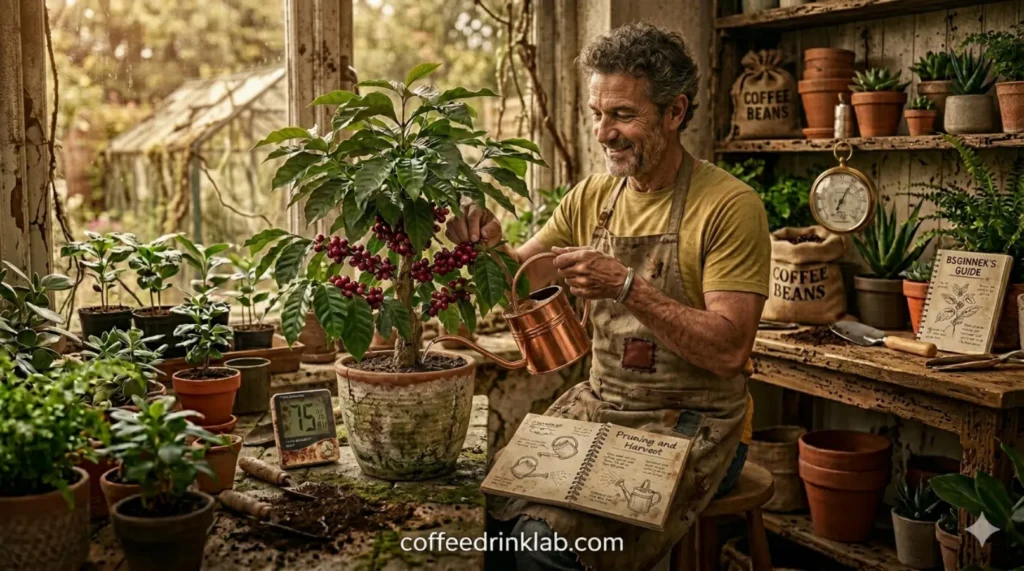
Proper watering is one of the most important aspects of learning how to grow coffee beans successfully.
Coffee plants enjoy consistently moist soil but dislike standing water. Overwatering often leads to root rot, while underwatering causes leaf drop.
A good rule is to water when the top inch of soil feels slightly dry.
To maintain humidity:
- Mist leaves occasionally
- Use a humidity tray
- Place a humidifier nearby
- Group plants together
As a result, your coffee plant will be better equipped to produce healthy growth throughout the year.
Fertilizing Coffee Plants
Coffee plants are relatively heavy feeders.
During the active growing season in spring and summer, apply a balanced liquid fertilizer every four to six weeks.
Look for fertilizers containing:
- Nitrogen for leaf growth
- Phosphorus for root development
- Potassium for overall plant health
Furthermore, adding compost annually can improve soil fertility naturally.
Pruning for Better Growth
Pruning helps coffee plants remain manageable and encourages bushier growth.
Remove:
- Dead branches
- Yellow leaves
- Weak stems
- Excessive vertical growth
Regular pruning also improves airflow, reducing the likelihood of pests and diseases.
Most importantly, a well-shaped plant can direct more energy toward flowering and fruit production.
Flowering and Pollination
One of the most exciting stages occurs when your coffee plant begins flowering.
Small white flowers appear on mature plants and emit a pleasant fragrance often compared to jasmine.
Indoor coffee plants can self-pollinate, although gently shaking the branches may improve pollination rates.
However, don’t expect flowers immediately. Coffee plants typically require three to five years before reaching maturity.
Growing Coffee Cherries
After successful pollination, flowers develop into green coffee cherries.
Over several months, these cherries gradually change color and eventually become bright red when fully ripe.
This stage requires continued attention to:
- Watering consistency
- Proper nutrition
- Stable temperatures
- Adequate humidity
Meanwhile, avoid sudden environmental changes that could stress the plant.
Harvesting Coffee Beans
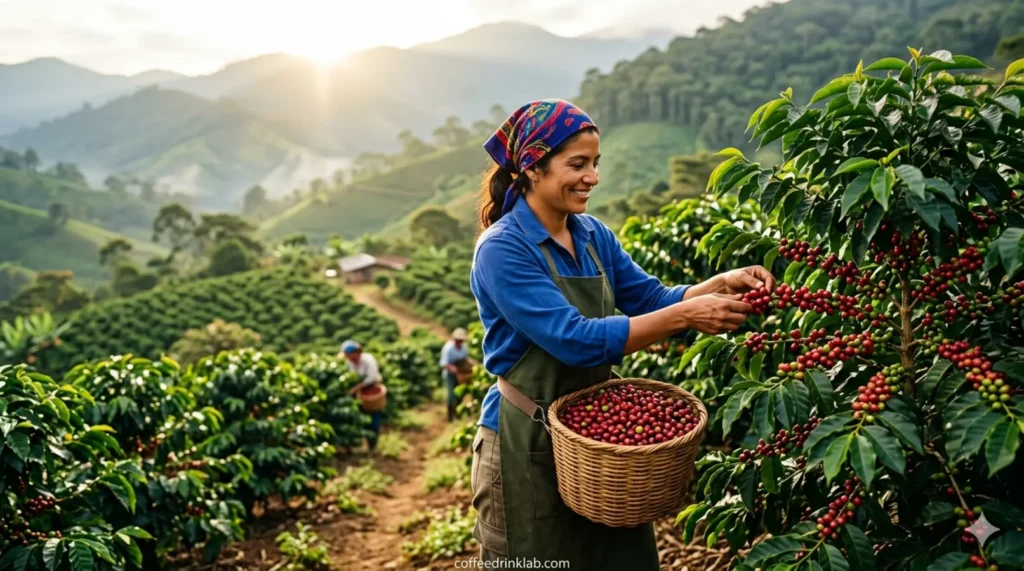
Harvest time is the reward for years of patience.
Ripe cherries should be picked individually when they reach a deep red color. Picking too early can negatively affect flavor development.
Once harvested:
- Remove the fruit pulp.
- Wash the beans.
- Dry thoroughly.
- Allow curing if desired.
- Roast before brewing.
The resulting beans may be used for espresso, drip coffee, French press, or other brewing methods.
1. What Happens After Harvest?
The coffee beans inside the cherries are actually seeds. Before brewing, they must be processed and roasted.
Roasting transforms the green beans into the aromatic coffee we know and love. Depending on your preference, you can choose:
| Roast Level | Flavor Profile |
|---|---|
| Light Roast | Bright and fruity |
| Medium Roast | Balanced and sweet |
| Dark Roast | Bold and smoky |
Many home growers enjoy experimenting with different roast levels to discover their favorite flavor notes.
Common Problems When Growing Coffee Beans
Even experienced gardeners encounter challenges.
1. Yellow Leaves
Often caused by overwatering, poor drainage, or nutrient deficiencies.
2. Brown Leaf Edges
Usually indicate low humidity or inconsistent watering.
3. Slow Growth
Can result from insufficient light, inadequate nutrients, or cool temperatures.
4. Pest Issues
Common pests include:
- Spider mites
- Mealybugs
- Scale insects
Fortunately, regular inspections and insecticidal soap treatments usually keep infestations under control.
Can You Grow Coffee Beans Indoors?
Absolutely.
Many coffee enthusiasts successfully grow coffee plants as attractive houseplants. The glossy green leaves make them visually appealing even before they begin producing cherries.
Although indoor yields may be smaller than outdoor plants grown in tropical regions, home-grown coffee remains a fun and rewarding hobby.
With proper care, patience, and attention to environmental conditions, indoor coffee plants can thrive for many years.
The Final Talk
Learning how to grow coffee beans is a rewarding experience that gives you a deeper appreciation for every cup of coffee. From selecting an arabica plant and creating ideal growing conditions to harvesting ripe cherries and roasting your own beans, the entire process offers a fascinating look into coffee production.
While growing coffee requires patience, the results are incredibly satisfying. Whether you’re a dedicated coffee lover, a gardening enthusiast, or simply curious about where coffee comes from, cultivating your own coffee plant can be both educational and enjoyable.
Furthermore, you’ll gain firsthand experience with the journey from seed to brew. So grab a coffee plant, start nurturing it today, and enjoy watching your future coffee harvest grow one leaf at a time.
FAQs:
Coffee beans are actually the seeds inside coffee cherries. With proper care, many home gardeners successfully grow coffee plants indoors or outdoors.
Absolutely. You can grow coffee beans in containers, greenhouses, or gardens if you provide warmth, humidity, filtered sunlight, and well-draining soil.
Many coffee lovers successfully grow their own coffee beans at home. Although coffee plants take several years to produce cherries, they are attractive, long-lived houseplants that reward patient gardeners with homegrown coffee.
To grow coffee beans, start with a healthy Arabica seedling, plant it in rich, slightly acidic soil, provide bright indirect light, maintain consistent moisture, and keep temperatures between 60°F and 80°F. With patience and proper care, your plant can eventually produce coffee cherries.
Yes. Many coffee plants grow successfully in containers indoors. With adequate light, humidity, and care, home gardeners can eventually harvest coffee cherries from mature plants
Discovers More Blends
Types of Coffee Pods: A Complete Guide to Choosing the Right Pod
what are the different types of coffee Explained
Holos Coffee: Complete Guide for Coffee Lovers







One Comment