

Chart Types of Coffee Beans: Complete Bean Guide (2026)
Understanding a chart types of coffee beans can make choosing coffee much easier. A clear coffee bean types chart lets you compare different coffee beans by flavor, caffeine level, origin, and common uses. If you are wondering how many types of coffee beans are there or how the different kinds of coffee beans compare, this guide breaks down the major varieties and their key characteristics.
In fact, having coffee bean varieties explained in a simple visual format helps coffee lovers quickly compare flavor, caffeine levels, origins, and brewing suitability. While most people recognize the names Arabica and Robusta, there are actually four major coffee bean species grown commercially around the world.
Each one brings something unique to your cup, from delicate floral notes to rich, intense flavors. Let’s explore them together and discover which bean best matches your coffee style.
1. Understanding the Different Types of Coffee Beans
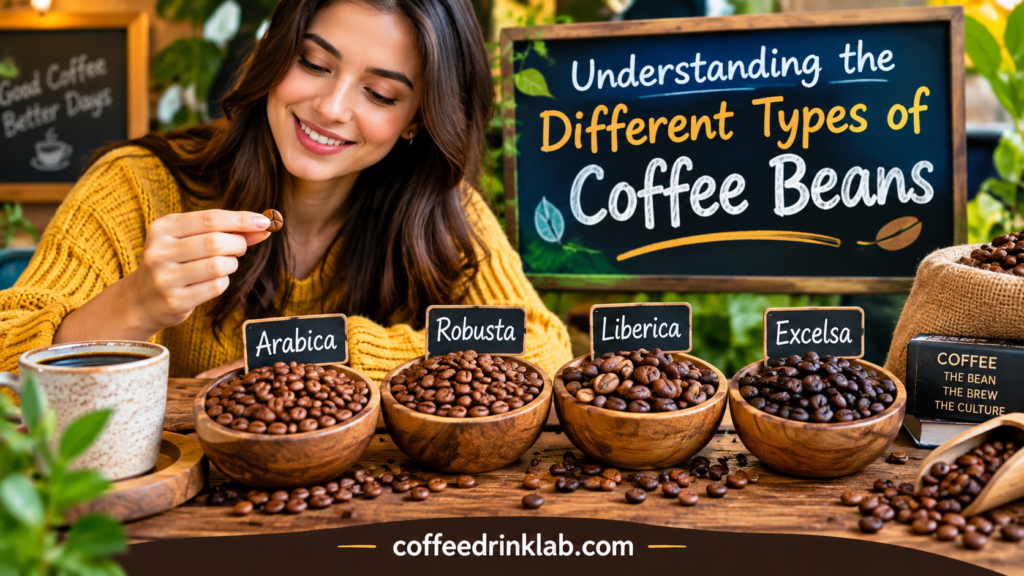
Coffee beans may look similar at first glance, yet they can produce dramatically different flavors. The differences come from genetics, growing conditions, altitude, processing methods, and roasting styles. That’s why a comparison chart is one of the easiest ways to understand coffee beans before diving deeper into each variety.
This overview also makes it easier to understand coffee bean differences, compare different coffee bean types, and identify the most common type of coffee bean used around the world.
1. Coffee Bean Types Chart: Names, Characteristics, and Differences
| Coffee Bean Type | Flavor Profile | Caffeine Level | Growing Regions | Price Range | Best For |
|---|---|---|---|---|---|
| Arabica | Sweet, fruity, floral, smooth | Moderate | Latin America, Africa | Higher | Specialty coffee, pour-over, drip coffee |
| Robusta | Bold, earthy, nutty, bitter | High | Vietnam, Indonesia, Africa | Lower | Espresso blends, strong coffee |
| Liberica | Smoky, woody, fruity | Moderate | Philippines, Malaysia | Medium-High | Unique specialty brews |
| Excelsa | Tart, fruity, complex | Moderate | Southeast Asia | Medium | Blends and adventurous coffee drinkers |
This coffee bean types chart provides a quick list of coffee beans and their main characteristics. From Arabica and Robusta to Liberica and Excelsa, each variety has different flavor characteristics, caffeine levels, growing regions, and brewing uses. These coffee bean differences can help you decide which variety best matches your taste.
This chart provides a quick overview, however, the real magic happens when you understand how each bean behaves in the cup. Furthermore, knowing these differences can help you select beans that match your brewing method and taste preferences.
How Many Different Coffee Beans Are There?
There are thousands of named coffee varieties and cultivars, but coffee discussions commonly focus on four main commercially recognized species: Arabica, Robusta, Liberica, and Excelsa. If you search for how many different coffee beans are there, the answer depends on whether you mean species, varieties, cultivars, or commercially available bean types.
The different coffee beans available to consumers can vary by species, origin, cultivar, processing method, and roast. That is why a variety of coffee bean can have a very different flavor from another bean even when both belong to the same species.
For a quick reference, the main coffee beans kinds covered in this guide are:
- Arabica
- Robusta
- Liberica
- Excelsa
2. Coffee Bean Varieties Explained for Everyday Coffee Drinkers
Choosing coffee becomes much easier when you understand the personality of each bean. Some beans shine in delicate pour-overs, while others excel in rich espresso drinks. Most importantly, each bean offers a distinct experience.
1. Arabica Coffee Beans
Arabica is the superstar of the coffee world. In fact, it accounts for roughly 60–70% of global coffee production. Most specialty coffee shops and premium roasters focus heavily on Arabica because of its smooth flavor and balanced sweetness.
Arabica is also the most common type of coffee bean found in specialty coffee. Its many cultivars and origins create a wide range of flavors, which explains why Arabica appears so often on a coffee bean name list or specialty coffee menu.
When I brew a freshly roasted Arabica coffee, I often notice hints of chocolate, berries, caramel, or citrus depending on the origin. Additionally, Arabica tends to have a cleaner finish and lower bitterness than other bean varieties.
Key characteristics:
- Smooth and sweet flavor
- Lower bitterness
- Wide range of flavor notes
- Premium specialty coffee favorite
- Moderate caffeine content
2. Robusta Coffee Beans
Robusta lives up to its name. It produces a stronger, more intense cup that many espresso lovers appreciate. Because it contains significantly more caffeine than Arabica, it naturally tastes bolder and somewhat more bitter.
Furthermore, Robusta is easier to grow and more resistant to pests, making it less expensive. Many Italian espresso blends include Robusta because it contributes a rich crema and strong body.
Key characteristics:
- Strong and bold flavor
- Higher caffeine content
- More bitterness
- Excellent espresso crema
- Budget-friendly option
2. Arabica vs Robusta: Which Should You Choose?
Since these are the two most common coffee beans, comparing them directly can help simplify your decision.
| Feature | Arabica | Robusta |
|---|---|---|
| Flavor | Sweet and complex | Bold and earthy |
| Caffeine | Moderate | High |
| Acidity | Higher | Lower |
| Price | More expensive | More affordable |
| Best Brewing Methods | Pour-over, drip, Chemex | Espresso, strong brews |
| Popularity | Very high | High |
If you enjoy nuanced flavors and specialty coffee experiences, Arabica is usually the better choice. On the other hand, if you want maximum strength, caffeine, and espresso performance, Robusta may be exactly what you’re looking for.
1. Liberica Coffee Beans: The Rare Original
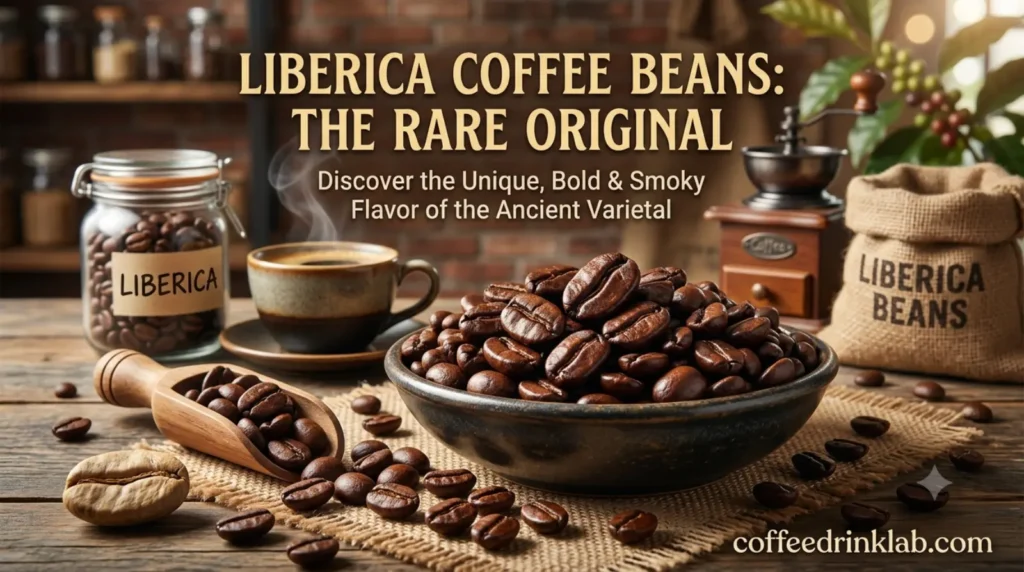
Liberica remains one of the most fascinating coffee beans available today. Unlike Arabica and Robusta, Liberica beans are noticeably larger and often have an unusual shape.
The flavor is difficult to describe because it combines fruity sweetness with woody and smoky notes. As a result, many coffee enthusiasts consider Liberica an acquired taste. Nevertheless, it offers a unique experience that’s worth trying at least once.
Common flavor notes include:
- Jackfruit
- Dark berries
- Wood smoke
- Floral aromas
- Dark chocolate
- Among the types of coffee bean available today, Liberica stands out because of its large beans and distinctive flavor. Its unusual profile makes it an interesting choice for anyone exploring different kinds of coffee beans beyond the familiar Arabica and Robusta.
2. Excelsa Coffee Beans: The Hidden Gem
Excelsa technically belongs to the Liberica family, yet it has developed a reputation of its own among coffee lovers. Its flavor profile is remarkably complex, combining light fruity notes with deeper roasted characteristics.
Many roasters use Excelsa in blends because it adds complexity and depth. Meanwhile, adventurous coffee drinkers often seek it out for its unique taste experience.
Excelsa typically delivers:
- Tart fruit flavors
- Bright acidity
- Complex aroma
- Medium body
- Layered taste profile
- Excelsa is often included in a list of coffee beans because of its distinctive tart and fruity character. Although it is commonly discussed separately, it is botanically associated with Liberica, making coffee classification more complicated than a simple four-bean list suggests.
1. Types of Coffee Beans and Their Characteristics
The main types of coffee beans and characteristics differ in flavor, caffeine, size, growing conditions, and typical uses. Understanding these differences is useful when comparing types of coffee beans, especially if you are creating a personal coffee bean collection or choosing beans for a specific brewing method.
1. Coffee Bean Differences at a Glance
- Arabica: Smooth, sweet, aromatic, and generally less bitter.
- Robusta: Strong, earthy, bitter, and higher in caffeine.
- Liberica: Large beans with woody, smoky, and fruity characteristics.
- Excelsa: Tart, fruity, complex, and often used to add depth to blends.
These characteristics explain why there is no single “best” coffee bean for everyone. Your preferred coffee bean type depends on flavor, brewing method, caffeine preference, and personal taste.
3. How Roast Levels Affect Different Coffee Bean Types
Even the best coffee beans can taste completely different depending on how they’re roasted. Therefore, understanding roast levels is just as important as understanding bean varieties.
1. Light Roast
Light roasts preserve more of the bean’s natural characteristics. As a result, you’ll notice fruity, floral, and origin-specific flavors more clearly.
Best for:
- Single-origin coffees
- Pour-over brewing
- Flavor exploration
2. Medium Roast
Medium roasts strike a balance between bean character and roasting influence. Consequently, they remain one of America’s most popular roast levels.
Best for:
- Drip coffee
- Everyday drinking
- Balanced flavor profiles
3. Dark Roast

Dark roasts emphasize roasted flavors over origin characteristics. Therefore, you’ll often taste chocolate, smoke, and caramelized sugars.
Best for:
- Espresso
- Milk-based drinks
- Bold coffee lovers
4 Best Brewing Methods for Different Coffee Beans
The brewing method you choose can dramatically influence flavor extraction. Consequently, pairing the right bean with the right brewer creates the best results.
| Bean Type | Recommended Brewing Method |
|---|---|
| Arabica | Pour-over, Chemex, drip coffee |
| Robusta | Espresso machine, Moka pot |
| Liberica | French press, drip coffee |
| Excelsa | Pour-over, AeroPress |
Furthermore, experimenting with different brewing styles can reveal flavor notes you might otherwise miss.
1. Coffee Bean Name List for Quick Reference
If you are looking for a simple coffee bean name list, the major names discussed in this guide are:
- Arabica
- Robusta
- Liberica
- Excelsa
Beyond these species, coffee is also sold under thousands of cultivar, origin, farm, and regional names. Therefore, a coffee bag may describe the bean using its species, cultivar, country of origin, region, or processing method.
Want a Coffee Bean Types Chart PDF?
If you want to save this information for later, you can use the coffee bean comparison chart above as a quick reference. A printable types of coffee beans PDF can be especially useful when comparing bean characteristics, origins, flavor profiles, and brewing methods.
Common Mistakes When Choosing Coffee Beans
Many people focus only on roast level while ignoring the bean variety itself. However, the bean species often has a greater impact on flavor than the roast.
Avoid these common mistakes:
- Buying based only on caffeine content
- Ignoring bean origin
- Choosing stale beans
- Storing beans improperly
- Grinding too far in advance
Most importantly, buy freshly roasted whole beans whenever possible. Freshness dramatically improves flavor regardless of the bean variety.
The Final Talk
Understanding the different coffee bean types makes it much easier to choose beans that match your taste and brewing style. From smooth and sweet Arabica to bold Robusta and the unusual flavors of Liberica and Excelsa, each variety has its own characteristics. Using a coffee bean types chart can help you quickly compare flavor, caffeine, origin, and brewing suitability before buying.
Furthermore, coffee is ultimately a personal journey. What tastes amazing to one person might not be another person’s favorite cup. Therefore, don’t be afraid to experiment with different origins, roast levels, and brewing methods. Try a new bean variety, compare flavors side by side, and pay attention to what you enjoy most. Before long, you’ll discover your own coffee preferences and gain a deeper appreciation for the incredible diversity found in every bag of coffee beans.
FAQs
There are four commonly discussed coffee bean types: Arabica, Robusta, Liberica, and Excelsa. However, Excelsa is generally classified as a variety of Liberica rather than a completely separate coffee species. Each type has different flavor characteristics, caffeine levels, growing conditions, and common uses. Arabica and Robusta are the most widely used, while Liberica and Excelsa are less common and offer more distinctive flavor profiles.
The primary differences involve flavor, caffeine content, growing conditions, and price. Arabica tends to be sweeter and smoother, whereas Robusta is stronger and more bitter. Liberica and Excelsa offer more unusual flavor profiles.
Arabica is usually the best starting point. Its balanced sweetness, lower bitterness, and wide availability make it approachable for most coffee drinkers. Additionally, it performs well across various brewing methods.
Start by considering your taste preferences. If you enjoy smooth and flavorful coffee, choose Arabica. If you prefer stronger coffee with more caffeine, Robusta may be a better fit.
Absolutely. All major coffee bean varieties can be brewed at home using common methods such as drip coffee makers, French presses, AeroPress brewers, or espresso machines.
Discover More Blends
Types of Coffee Machine: Pros and Cons Guide







7 Comments