
How Long Do Roasted Coffee Beans Last?
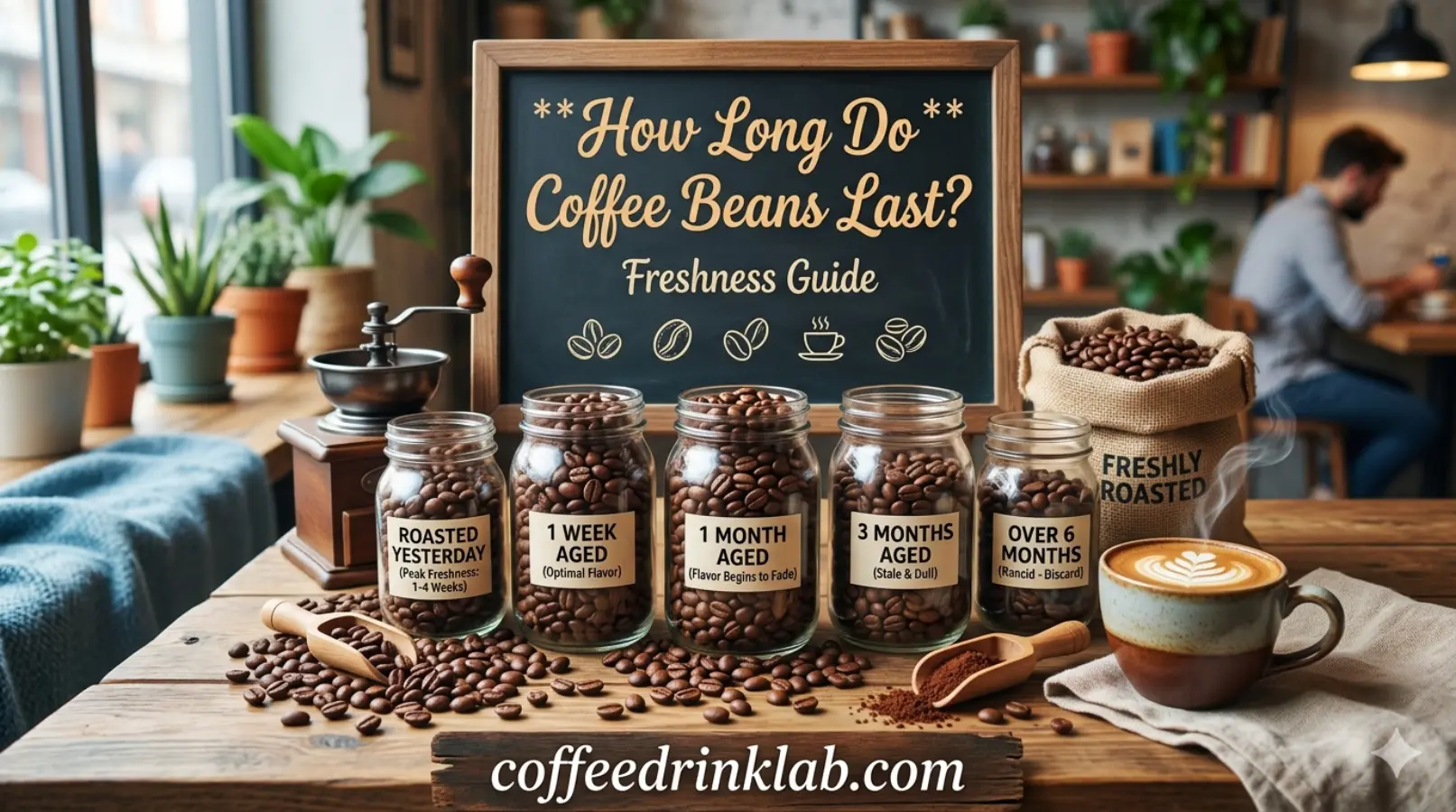
How long do roasted coffee beans last? Roasted coffee beans usually stay at their best for several weeks after roasting, but their freshness depends on the roast date, packaging, and storage conditions. Properly stored whole beans can retain their aroma and flavor longer, while exposure to oxygen, moisture, heat, and light causes freshness to decline.
Many coffee drinkers ask, can coffee beans go bad, can coffee beans go bad and make you sick, and do coffee beans expire. The answer depends on how old the beans are, how they were packaged, and how they were stored. Understanding the difference between stale coffee beans and spoiled coffee beans can help you decide whether an old bag is still worth using.
The answer depends on factors such as the roast date, packaging, and storage conditions. In this guide, you’ll learn how long roasted beans last when they are unopened, opened, stored in a sealed bag, refrigerated, or frozen, plus the best ways to keep your beans fresh for as long as possible.
Do coffee beans expire? Coffee beans do not usually “expire” like perishable foods, but they gradually become stale and lose flavor over time. Properly stored unopened beans can retain their quality longer, while opened beans lose freshness faster because of exposure to oxygen, moisture, heat, and light.
How Long Do Roasted Coffee Beans Last?
Roasted coffee beans generally stay at their best for several weeks after roasting, but their freshness depends on the roast date, packaging, and storage conditions. Unopened beans usually retain their quality longer because they are protected from oxygen and moisture, while opened beans gradually lose aroma and flavor after exposure to air.
For the best roasted coffee bean freshness, keep whole beans in a tightly sealed bag or airtight container and store them in a cool, dark, and dry place. Heat, light, moisture, and oxygen can speed up the loss of flavor. The whole bean coffee shelf life also depends on how well the beans are protected after roasting.
It is important to distinguish freshness from spoilage. Older roasted coffee beans may become stale and produce a weaker or flatter cup without necessarily being spoiled. However, beans showing visible mold, moisture damage, contamination, or unusual odors should not be used.
| Coffee Storage Situation | Freshness / Shelf-Life Guidance |
|---|---|
| Freshly roasted coffee beans | Best flavor is usually enjoyed during the early weeks after roasting |
| Opened whole coffee beans | Freshness declines faster because of oxygen exposure |
| Unopened roasted coffee beans | Usually retain quality longer when properly sealed and stored |
| Airtight or sealed coffee beans | Better protected from oxygen and moisture |
| Frozen coffee beans | Can preserve quality longer when properly portioned and sealed |
| Refrigerated coffee beans | Generally not recommended because of moisture and food odors |
| Ground coffee | Loses freshness faster than whole beans because more surface area is exposed to air |
How Long Do Roasted Coffee Beans Last for Freshness?
How long do roasted coffee beans last for freshness? Roasted coffee beans gradually lose their aroma and flavor after roasting, but the speed of freshness loss depends on the roast date, packaging, and storage conditions. Whole beans generally preserve their flavor better than ground coffee because less of the bean is exposed to oxygen.
To maintain roasted coffee bean freshness, store the beans in a tightly sealed bag or airtight container in a cool, dark, and dry place. Keep them away from heat, sunlight, moisture, and strong odors. Unopened beans can retain their quality longer because the original packaging provides better protection from oxygen and moisture.
Do Coffee Beans Expire or Just Go Stale?
Coffee beans usually become stale before they become spoiled. Aging reduces aroma and flavor, while poor storage can introduce moisture, mold, contamination, or other problems.
fresh whole coffee beans generally stay at their best for several weeks after roasting, although freshness depends on the roast date, packaging, and storage conditions. Once the package is opened, exposure to oxygen can cause the beans to lose aroma and flavor more quickly.
Properly sealed and unopened can retain their quality longer, while ground loses freshness faster because more of its surface is exposed to air.
Coffee Bean Shelf Life by Storage Method
| Storage Situation | Best Quality Guidance |
|---|---|
| Coffee beans unopened | Check the roast date and package freshness guidance |
| Coffee beans after opening | Best used within a few weeks for peak flavor |
| Coffee beans in a sealed bag | Stay fresher longer when the package remains properly sealed |
| Coffee beans in freezer | Can retain quality much longer when portioned and sealed properly |
| Coffee beans in fridge | Generally not recommended because of moisture and odors |
Storage conditions have a major effect on coffee bean shelf life. Keeping the coffee sealed, dry, cool, and away from light can help preserve their flavor and aroma for longer.
2. Can Coffee Beans Go Bad?
Can coffee beans go bad? Coffee beans can become stale as they age, but staleness is different from spoilage. Old beans may lose aroma and flavor without being unsafe. However, coffee beans with visible mold, moisture damage, contamination, or unusual odors should not be used. Storage conditions are especially important because exposure to moisture and contaminants can affect coffee quality and safety.
Roasted beans can become stale without necessarily becoming unsafe to drink. Stale beans usually have a weak aroma, flat flavor, and less complexity because their natural aromatic compounds have gradually broken down.
Properly stored old beans may still be usable, especially when they have been kept dry, sealed, and away from heat and light. However, they may not taste as fresh or flavorful as recently roasted beans.
Coffee beans can become stale over time, but stale coffee is not necessarily spoiled. Stale beans usually have a weak aroma, flat flavor, and less complexity because their natural compounds gradually break down.
However, coffee beans should be discarded if they show signs of mold, visible moisture damage, unusual or off odors, contamination, or damaged packaging that may have allowed moisture or other contaminants inside. Properly stored beans that are simply old or stale may still be usable, but they are unlikely to deliver the same flavor as fresh beans.
1. Can Coffee Beans Go Bad and Make You Sick?
Can coffee beans go bad and make you sick? Stale coffee beans generally lose flavor and aroma rather than becoming dangerous simply because they are old. However, beans affected by mold, moisture, contamination, or other signs of spoilage should be discarded. If the beans look or smell abnormal, it is better not to use them.
2. Coffee Bean Shelf Life Chart
| Storage Type | Best Quality Guidance | Main Consideration |
|---|---|---|
| Unopened whole coffee beans | Follow the roast date and package guidance | Keep sealed and away from heat |
| Opened whole coffee beans | Best used within a few weeks for peak flavor | Limit oxygen exposure |
| Sealed coffee beans | Can retain freshness longer when properly packaged | Keep the package airtight |
| Frozen coffee beans | Can preserve quality for a longer period | Prevent moisture and temperature changes |
| Ground coffee | Loses freshness faster than whole beans | Store airtight and use promptly |
whole coffee beans may still be usable after their peak freshness period, but their aroma and flavor gradually decline. Proper storage can help extend their useful freshness and preserve better flavor for longer.
How Long Do Coffee Beans Stay Fresh in a Hopper?
whole coffee beans can lose freshness faster when stored in a grinder hopper because they are exposed to air, light, and sometimes heat. For the best flavor, keep only the amount of beans you expect to use soon in the hopper rather than storing your entire supply there. Keep the remaining beans sealed in an airtight container or properly closed bag in a cool, dry, and dark place.
2. How Long Do Roasted Coffee Beans Last Unopened?
How long do roasted coffee beans last unopened? Unopened roasted coffee beans generally maintain their quality longer because the original packaging helps protect them from oxygen, moisture, heat, and light. The actual freshness period depends on the roast date, packaging, and storage conditions.
For the best roasted coffee bean freshness, keep an unopened bag in a cool, dark, and dry place away from direct sunlight and heat. Check the roast date and any freshness guidance provided on the package before deciding how fresh the beans are likely to be.
Once the package is opened, the beans are exposed to more oxygen and their aroma and flavor gradually decline. After opening, keep the beans tightly sealed to help preserve their quality.
1. Do Coffee Beans Expire If Opened?
Once coffee beans are opened, exposure to oxygen accelerates the loss of aroma and flavor. For the best taste, keep opened beans in a tightly sealed bag or airtight container and store them in a cool, dark, and dry place. Using opened beans within a few weeks can help you enjoy better freshness and flavor.
2.How Long Do Roasted Coffee Beans Last Unopened?
Unopened coffee beans generally stay fresh longer because they remain protected inside their original packaging. If the package is properly sealed and stored away from heat, moisture, and sunlight, the beans can maintain better quality for longer. Check the roast date and package guidance when deciding how fresh unopened beans are likely to be.
4. How Long Do Whole Roasted Coffee Beans Last?
If you’re wondering how long do whole roasted coffee beans last for, whole your beans generally stay fresh longer than pre-ground coffee because less surface area is exposed to oxygen. Their freshness depends on the roast date, packaging, and storage conditions.
1. How Long Do Coffee Beans Last After Roasting?
The roast date is more useful than the purchase date when determining how long do fresh whole coffee beans last after roasting. the gradually lose aroma and flavor after roasting, so that were roasted recently will usually provide better flavor than much older . Proper storage can help slow this freshness loss.
2. How Long Do Coffee Beans Stay Fresh If Unopened?
Unopened roasted fresh coffee beans usually stay fresh longer because the original packaging protects them from oxygen, moisture, heat, and light. For the best flavor, check the roast date and keep the unopened bag in a cool, dry, and dark place until you are ready to use it. Once the bag is opened, freshness begins to decline more quickly as the beans are exposed to air.
3. Opened whole coffee beans
Once a bag is opened, oxygen reaches the beans and freshness begins to decline more quickly. For the best flavor, use opened whole beans within a few weeks and keep them in an airtight container or properly sealed bag.
4. How Long Do whole coffee beans Stay Fresh in a Sealed Bag?
A properly sealed coffee bag can help preserve coffee bean freshness by limiting exposure to oxygen and moisture. Store the sealed bag in a cool, dry, and dark place away from heat and sunlight for better flavor retention.
Best Way to Store Coffee Beans for Freshness

Proper storage can help whole roasted coffee beans retain their aroma and flavor for longer. The main goal is to protect the beans from oxygen, moisture, heat, and light. Keeping coffee beans in a sealed bag or airtight container and storing them in a cool, dark, and dry place is one of the simplest ways to maintain freshness.
The best coffee storage setup is surprisingly simple. You don’t need expensive equipment—just protection from air, light, heat, and humidity.
3. How Storage Affects Coffee Bean Shelf Life
Storage conditions have a major effect on coffee bean shelf life. Exposure to oxygen, moisture, heat, and light gradually reduces the aroma and flavor of roasted beans. Keeping coffee in a tightly sealed bag or airtight container and storing it in a cool, dark, and dry place can help slow this process. Proper storage is especially important after opening the package because the beans have greater exposure to air.
1. Best Way to Increase Coffee Bean Shelf Life
The easiest way to extend coffee bean shelf life is to protect from oxygen, moisture, heat, and sunlight. Store whole coffee beans in a tightly sealed bag or airtight container and keep them in a cool, dark, and dry place and keep them in a cool, dark, and dry place. Proper storage can help preserve the beans’ aroma and flavor for longer.
2. Store in a Cool, Dark Place
A kitchen cabinet or pantry is usually ideal. However, avoid placing coffee near:
- Ovens
- Dishwashers
- Stovetops
- Sunny countertops
Consistent temperatures help maintain flavor integrity much longer.
3. Buy Whole Beans Instead of Grounds
Whole beans naturally stay fresh longer because less surface area is exposed to air. Consequently, grinding beans immediately before brewing provides noticeably better flavor.
How Long Do Whole Coffee Beans Stay Fresh Compared With Ground Coffee?
Many coffee drinkers wonder whether whole beans really make a difference. Based on both science and experience, the answer is absolutely yes.
Once coffee is ground, oxygen can reach much more of the bean’s surface area. Therefore, freshness disappears much faster.
| Factor | Whole Beans | Ground Coffee |
| Freshness Retention | Excellent | Fair |
| Aroma Preservation | High | Moderate |
| Oxidation Speed | Slow | Fast |
| Brewing Quality | Better | Lower |
| Shelf Life | Longer | Shorter |
If you’re investing in quality arabica or single-origin, buying whole is usually worth it.
Different roast levels age slightly differently. While all coffee loses freshness over time, roast characteristics influence how quickly changes become noticeable.
When Do Coffee Beans Expire?
When do coffee beans expire? Coffee beans do not have one universal point at which they suddenly become unsafe. Instead, their freshness gradually declines after roasting, while improper storage can lead to spoilage.
of roasted coffee beans. Instead, coffee gradually loses freshness after roasting, and its flavor and aroma become weaker over time. The roast date, packaging, and storage conditions all affect how long the beans remain at their best. Coffee beans can go out of date in terms of quality, but properly stored beans may still be usable after their peak freshness period. However, beans showing mold, moisture damage, contamination, or unusual odors should be discarded.
For the best flavor, store coffee beans in a tightly sealed bag or airtight container in a cool, dark, and dry place. This helps slow oxidation and protects the beans from moisture, heat, and light.
Does Roast Level Affect Coffee Bean Freshness?

Roast level can influence how coffee beans change over time, but storage conditions have a much greater effect on freshness. Light, medium, and dark roasted beans can all lose aroma and flavor as they are exposed to oxygen, heat, moisture, and light. Proper storage in a sealed bag or airtight container can help protect roasted coffee beans and preserve their freshness for longer.
Light roasts may retain noticeable origin characteristics, medium roasts often offer a balanced flavor profile, and dark roasts typically have bolder, more developed flavors. Regardless of roast level, checking the roast date and protecting the beans from air, heat, moisture, and sunlight are important for maintaining good coffee freshness.
1. Light Roast Coffee
Light roast beans retain more of their original origin characteristics. Their fruity and floral flavor notes often remain vibrant for several weeks after roasting.
Characteristics include:
- Bright acidity
- Complex flavors
- Distinct origin notes
- Longer flavor development
2. Medium Roast Coffee
Medium roast is often the most balanced option. It combines sweetness, acidity, and body while maintaining many of the bean’s original characteristics.
Characteristics include:
- Balanced flavor profile
- Moderate acidity
- Versatile brewing performance
- Consistent freshness window
3. Dark Roast Coffee
Dark roast coffee develops oils on the bean surface. While many people enjoy its bold flavor, oxidation may become noticeable sooner.
Characteristics include:
- Bold flavor
- Smoky notes
- Lower acidity
- More visible oils
1. Can You Freeze Coffee Beans?
Freezing coffee remains one of the most debated topics among coffee enthusiasts. However, when done correctly, freezing can significantly extend freshness.
The key is preventing moisture and repeated temperature fluctuations.
1. Best Practices for Freezing
- Divide beans into small portions.
- Use airtight freezer bags.
- Remove excess air.
- Freeze only once.
- Thaw completely before opening.
Properly packaged frozen coffee beans can retain good quality for an extended period, particularly when they are protected from moisture and repeated temperature changes.
Should You Refrigerate roasted beans?
Unlike freezing, refrigeration is generally not recommended.
Roasted coffee beans easily absorb odors from surrounding foods. Furthermore, condensation caused by temperature changes may introduce moisture.
Unless your beans are stored in a completely airtight container and rarely accessed, refrigeration usually does more harm than good.
5. How to Tell If Roasted Coffee Beans Have Gone Bad or Gone Stale
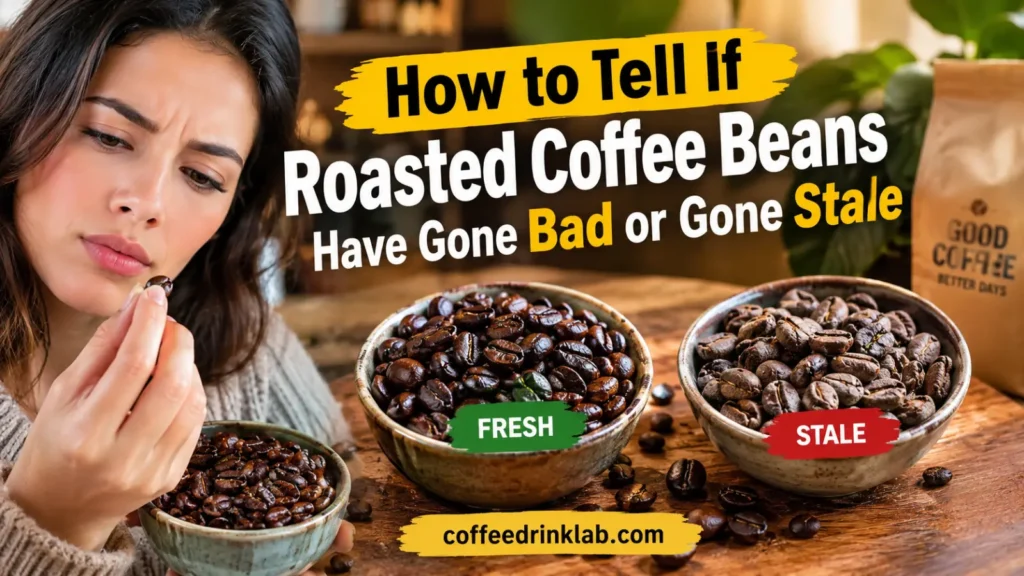
If you’re asking can coffee beans go bad, the most useful approach is to check their appearance, smell, and storage history. Stale beans may simply produce weaker coffee, while mold, moisture damage, contamination, or unusual odors can indicate that the beans should be discarded.
1. Weak or Flat Aroma
Fresh coffee beans have a noticeable aroma. If the beans have almost no aroma or smell unusually stale, their freshness has likely declined.
2. Flat Flavor
Old beans may produce coffee with weak, dull, or one-dimensional flavor. This usually indicates staleness rather than spoilage.
3. Mold or Moisture Damage
Visible mold or signs of moisture are clear reasons to discard coffee beans. Coffee should remain dry during storage to help prevent quality and contamination problems.
4. Unusual Odor
If coffee beans develop an unusual, unpleasant, or noticeably different smell, it is safer not to use them.
Properly stored beans that are simply past their peak freshness may still be usable, but they usually will not produce the same aroma and flavor as fresh coffee.
5. Lifeless Brewing Results
Whether you use a drip machine, French press, or espresso maker, stale beans typically create a less satisfying cup.
Coffee Bean Freshness Summary Chart
| Coffee Bean Type | Flavor Strength | Freshness Window | Best For |
| Light Roast | Bright | 2–6 weeks | Pour-over |
| Medium Roast | Balanced | 2–5 weeks | Everyday brewing |
| Dark Roast | Bold | 2–4 weeks | Espresso |
| Arabica | Complex | 2–6 weeks | Specialty coffee |
| Robusta | Strong | 2–6 weeks | High-caffeine drinks |
| Single-Origin | Distinctive | 2–4 weeks | Flavor exploration |
| Blend | Balanced | 2–6 weeks | Consistent brewing |
Can Coffee Beans Go Bad? Final Answer
So, can coffee beans go bad? Usually, old coffee beans become stale rather than immediately unsafe, but beans showing mold, moisture damage, contamination, or unusual odors should be discarded.
So, do coffee beans expire? Coffee beans gradually lose their freshness after roasting, but they do not necessarily become spoiled simply because they are old. The main difference is between stale beans, which have lost aroma and flavor, and beans affected by mold, moisture, contamination, or unusual odors.
Whether your beans are opened or unopened, proper storage can help preserve their quality. Keep them tightly sealed and store them in a cool, dark, and dry place away from heat, moisture, and sunlight. By checking the roast date and storing your beans properly, you can enjoy better flavor and know when it is time to replace an old bag.
FAQs:
Yes, coffee beans can become stale over time, but old beans are not necessarily spoiled. Beans with mold, moisture damage, contamination, or unusual odors should be discarded.
Stale coffee beans generally lose flavor and aroma rather than becoming unsafe simply because they are old. However, beans showing mold, moisture damage, contamination, or unusual odors should not be used.
For beginners, fresh whole coffee beans generally stay at their best for several weeks after roasting. Choose beans with a recent roast date and store them in a sealed bag or airtight container in a cool, dark, and dry place.
Look for whole coffee beans with a recent roast date and buy an amount you can use within a few weeks. Whole beans usually retain their flavor longer than ground when stored properly.
Yes, you can easily store roasted coffee beans at home. Keep them in a tightly sealed bag or airtight container and place them somewhere cool, dry, and away from direct sunlight, heat, and moisture.
Discover More Blends
Types of Coffee Pods: A Complete Guide to Choosing the Right Pod
what are the different types of coffee Explained
Types of Coffee Machines: Complete Buying Guide







16 Comments