
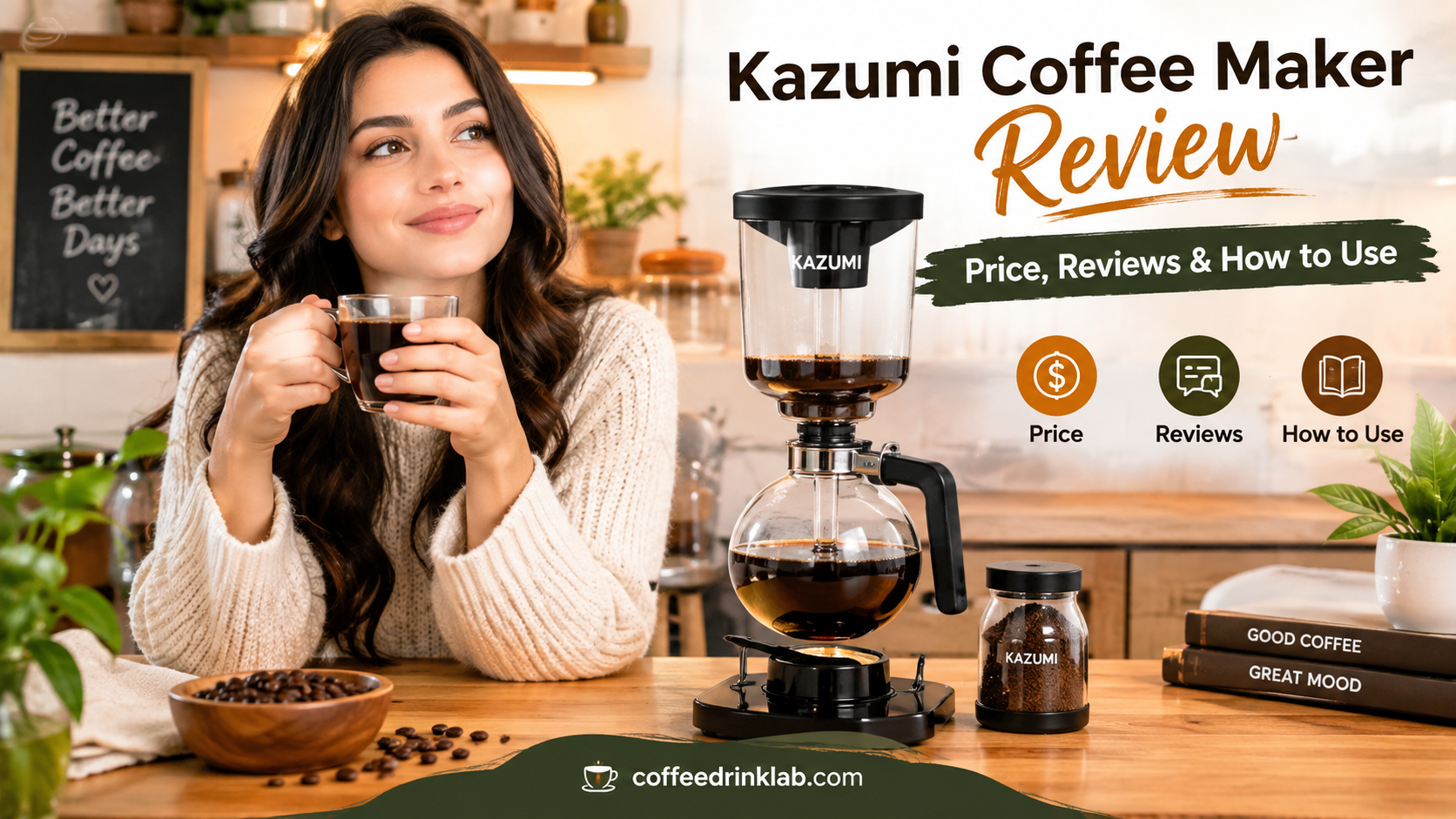
Kazumi Coffee Maker Review: Price, Reviews & How to Use
If you’re searching for a kazumi coffee maker, you’re probably looking for something more distinctive than a standard drip machine. Kazumi is a Japanese-style siphon coffee system designed around borosilicate glass, vacuum brewing, and a reusable glass filter.
This Kazumi coffee maker review covers how the brewer works, how to use and clean it, its glass filter and siphon design, current price, buyer reviews, and what independent discussions say about the product.
If you’re comparing Kazumi coffee maker reviews, researching the Kazumi coffee maker price, or looking for a Kazumi coffee siphon review, this guide covers the main buying, brewing, and ownership questions in one place. We’ll also look at the Kazumi brewer’s glass construction, reusable filter, vacuum brewing method, customer feedback, Amazon availability, and what buyers should know before purchasing.
For coffee lovers who enjoy watching the brewing process as much as drinking the final cup, it offers a very different experience from a drip coffee maker, French press, or pod machine. In this best Kazumi coffee maker for home use guide, we’ll look at its design, brewing method, price, reviews, glass construction, pros and cons, and whether it makes sense for your kitchen.
What Is the Kazumi Siphon Coffee Maker?
The Kazumi coffee maker is a modern siphon, or vacuum, brewer. Instead of pushing water through grounds like a typical drip machine, it uses heat, vapor pressure, and vacuum suction to move water between a lower flask and an upper brewing chamber. The result is a visually impressive brewing process and a cup designed to emphasize aroma, body, and flavor clarity.
Unlike many traditional siphon brewers, Kazumi uses a built-in glass filter rather than a conventional cloth or metal filter. The company says its filter is made from sintered glass with tiny pores that allow brewed coffee through while retaining the grounds.
The current Kazumi Siphon Coffee Maker Set is listed at $199.99, while the Sumo Set is also listed at $199.99 on the official US website.
1. Kazumi Coffee Maker Features at a Glance

The Kazumi coffee maker combines a traditional siphon brewing method with modern glass components and reusable filtration. Its main features include a 1000 ml brewing capacity, borosilicate glass construction, a reusable glass filter, and a vacuum-based brewing system. The transparent design also lets you watch the brewing process as water moves between the lower flask and upper chamber. These features make the brewer especially interesting for coffee enthusiasts who enjoy hands-on preparation and a more visual brewing experience.
2. What Makes the Kazumi Different?
The biggest attraction is the combination of visual design and brewing technology. The system includes a flask, condenser, funnel, connecting tube, and holders, with the main glass components made from borosilicate glass.
Furthermore, Kazumi’s design is intended to give coffee grounds a full-immersion brewing environment before the brewed coffee is pulled back through the filter. That can make the cup feel richer than a conventional paper-filtered brew while still maintaining a relatively clean finish.
Kazumi Coffee Maker, Brewer, and Vacuum Brewer Explained
The Kazumi coffee maker is also described as a Kazumi coffee brewer, Kazumi siphon coffee maker, or Kazumi vacuum brewer because it uses the vacuum principle associated with siphon brewing. Instead of relying on an electric pump like many automatic machines, the system uses heat and pressure changes to move water between the lower flask and upper brewing chamber.
For shoppers searching for a Japanese glass coffee maker or a Japanese coffee maker Kazumi, the borosilicate glass construction is one of the product’s most distinctive characteristics. The transparent design allows users to watch the water rise, interact with the coffee grounds, and return to the lower vessel after brewing.
The terms Kazumi coffee machine, Kazumi coffee brewer, and Kazumi siphon coffee maker may therefore describe the same general product from different search perspectives. However, Kazumi is better understood as a specialty siphon brewer than as a conventional automatic coffee machine.
If you are researching a Kazumi Nippon coffee maker, you may also encounter the brand’s Nippon Coffee terminology when searching for the product online. Buyers should compare the exact model and included components rather than relying only on the wording used in a third-party listing.
2. Kazumi Siphon Coffee Maker Set vs. Sumo
If you are comparing the Kazumi Siphon Coffee Maker Set with the Sumo Set, both models offer the same basic vacuum brewing experience and a 1000 ml capacity. They also use borosilicate glass components and a reusable glass-filter system. The main difference is the design and shape of the flask, so your choice can mainly come down to appearance and personal preference rather than a major difference in brewing function.
1. Kazumi Coffee Maker Glass Design
The glass construction is one of the most recognizable features of the Kazumi coffee maker. The company specifies borosilicate glass for its major brewing components, a material commonly valued for its resistance to thermal shock and its non-porous surface.
The transparent design also makes every stage visible. You can see water move upward, interact with the grounds, and eventually return to the lower vessel. As a result, brewing becomes almost like a small coffee demonstration on your countertop.
However, glass still deserves careful handling. Even borosilicate glass can break if it is dropped, struck, or subjected to inappropriate thermal stress, so treat the brewer as precision coffee equipment rather than an ordinary plastic appliance.
2. How the Kazumi Coffee Maker Works
The glass design is also why some shoppers search for a Kazumi glass coffee maker or glass coffee maker Kazumi when looking for this brewer. The borosilicate construction provides a clear view of the brewing process while supporting the high-temperature environment required for siphon brewing. For buyers comparing a Japanese glass coffee maker with a traditional drip coffee maker, the main difference is not simply appearance; the Kazumi combines the glass vessel with vacuum-based brewing and reusable filtration.
1. How the Kazumi Vacuum Brewer and Siphon System Works
The brewing process begins with water in the lower flask. As the water heats, pressure causes it to rise through the connecting system into the upper funnel containing the coffee grounds.
This is the defining characteristic of a Kazumi siphon coffee maker. The brewer uses changes in pressure created by heating and cooling to move water through the brewing chamber. Because the process combines immersion and vacuum movement, it differs from a conventional drip coffee maker, where water generally passes through the coffee grounds in one direction.
For shoppers searching for a Kazumi vacuum brewer, the terms siphon, vacuum brewer, and vacuum coffee maker generally refer to this same style of brewing system rather than three completely different Kazumi machines.
Once the grounds and water are together, they steep for a short period. Kazumi states that the actual coffee extraction is around 90 seconds, although the complete process generally takes about 5 8 minutes depending on the heat source.
When the heat is removed, the pressure changes and the brewed coffee travels back through the glass filter into the flask. The result is a full-immersion siphon brew with a distinctive brewing ritual.
1. Brewing Time and Capacity
Kazumi lists both its standard and Sumo siphon sets at 1000 ml capacity. That makes them considerably more suitable for brewing several servings than many compact single-cup coffee makers.
A typical brewing session can take longer than pressing a button on a pod machine. Nevertheless, that extra time is part of the appeal for enthusiasts who enjoy a hands-on coffee routine.
4. Kazumi Coffee Maker Review: Flavor and Coffee Quality
A good siphon brewer can be especially interesting with fresh whole beans because full immersion allows the grounds to interact thoroughly with the brewing water. Light and medium roasts can showcase floral, fruity, citrus, or sweet flavor notes, while darker roasts can produce a heavier, more chocolate-forward cup.
The Kazumi system is not restricted to one roast level. The company says it can be used with different types of coffee grounds, although a medium grind is a sensible starting point for siphon brewing.
For experimentation, try changing only one variable at a time. For example, keep your coffee-to-water ratio consistent while adjusting grind size. That makes it easier to determine whether a brighter or fuller flavor comes from the beans or from your brewing adjustment.
1. Is Kazumi Coffee Good?
The quality of coffee made with a Kazumi brewer depends on the beans, grind size, water, brewing time, and technique. Fresh whole beans can produce a more aromatic and flavorful cup, while different roast levels can highlight different tasting notes. The siphon brewing method also gives coffee enthusiasts an opportunity to experiment with flavor and extraction rather than relying on a fixed automatic brewing program.
2. What Grind Size Works Best?

A medium to medium-coarse grind is a practical starting point. If the coffee tastes thin or lacks intensity, a slightly finer grind may increase extraction; conversely, a coarser grind can produce a lighter and potentially brighter cup.
Freshly ground Arabica beans are particularly fun to explore in a siphon because the brewing method can highlight subtle aroma and flavor characteristics.
3. Kazumi Siphon Coffee Maker Review: What Stands Out?
From a brewing perspective, the main attraction of the Kazumi siphon coffee maker is the combination of full-immersion brewing, visible vacuum action, and glass filtration. Unlike a standard automatic machine, the brewing process is part of the experience.
A Kazumi coffee siphon review should therefore consider more than flavor alone. The brewer’s design, preparation time, glass construction, filter system, cleaning requirements, and hands-on operation all affect the overall experience.
For someone who already enjoys manual brewing, the Kazumi can be more interesting than a conventional drip machine. However, someone who prioritizes speed and convenience may find a regular coffee machine easier to use.
When comparing Kazumi siphon coffee maker reviews, pay particular attention to comments about brewing performance, glass durability, cleaning, replacement parts, shipping, and long-term ownership rather than focusing only on the appearance of the brewer.
4. Kazumi Coffee Maker Filter: How the Glass Filter Works
The Kazumi coffee maker uses a reusable glass filter designed to separate brewed coffee from the grounds without requiring a traditional paper filter. Its fine glass structure allows liquid coffee to pass through while helping retain the grounds during the siphon brewing process. Keeping the filter clean is important because leftover coffee residue can affect the flavor and flow of the brew. After each use, rinse the filter carefully and allow it to dry completely before storing the brewer.
Kazumi Coffee Maker Price: How Much Does It Cost?
The current official US listing places the Kazumi Siphon Coffee Maker Set at $199.99, and the Sumo Set is also listed at $199.99.
That puts it firmly above basic drip machines, French presses, and many entry-level pour-over setups. Therefore, the value question depends heavily on what you want from a coffee maker.
If your priority is simply getting a quick cup every morning, a conventional drip or single-serve machine may offer better convenience. On the other hand, if you care about brewing theater, reusable filtration, glass construction, and experimenting with specialty coffee, the higher price becomes easier to understand.
1. How Much Is a Kazumi Coffee Maker?
The current listed price is $199.99 for the Kazumi Siphon Kazumi siphon Set and $199.99 for the Sumo Set. However, the final amount can vary depending on the seller, shipping costs, taxes, and availability. If you are comparing prices before buying, check the current listing and total checkout cost rather than relying on an older price.
When researching the Kazumi brewer price, shoppers may see different amounts depending on the seller, model, shipping location, taxes, and availability. The official US listing is the best starting point for checking the current retail price, while marketplace listings may vary. If you see a Kazumi siphon for sale at a significantly different price, verify the seller, model, included accessories, and return policy before purchasing.
2. Kazumi Coffee Maker Price in Pakistan 🇵🇰
Searches for a Kazumi brewer price in Pakistan can be confusing because local availability, shipping, taxes, currency conversion, and reseller pricing can all affect the final cost.
The official Kazumi site currently displays its main siphon sets in US dollars rather than publishing a fixed Pakistan retail price. Therefore, it is better to check the seller’s current checkout total instead of relying on an old converted figure.
In other words, there is no reliable universal Pakistan price that should be presented as a fixed number without checking the specific seller and delivery terms.
3. Kazumi Coffee Maker UK Availability
For shoppers searching for a Kazumi siphon UK option, availability may depend on the seller and current international shipping arrangements. Before ordering, UK buyers should check the product’s current price, shipping charges, possible import taxes, delivery time, and return policy. It is also worth confirming that the listing includes the complete Kazumi siphon coffee maker set and the correct accessories. Because availability and pricing can change, check the current seller information before making a purchase.
Kazumi Coffee Maker Siphon vs. Regular Coffee Machines
The Kazumi is best understood as a specialty brewing device rather than a direct replacement for every coffee machine.
For anyone searching for a Kazumi coffee machine review, the same distinction is important: this is primarily a manual siphon brewing system rather than a push-button automatic machine. Its appeal comes from control, presentation, and the brewing ritual rather than maximum convenience.
| Brewing method | Flavor style | Convenience | Best for |
| Kazumi siphon | Full-bodied, aromatic | Moderate | Coffee enthusiasts |
| Drip machine | Balanced, familiar | High | Everyday brewing |
| French press | Rich and heavy | High | Simple full-bodied coffee |
| Pour-over | Clean and nuanced | Moderate | Manual brewing fans |
| Pod machine | Consistent and convenient | Very high | Fast single servings |
| Espresso machine | Concentrated | Moderate to low | Espresso drinks |
For example, someone who mainly drinks latte or cappuccino may prefer an espresso machine because espresso is the foundation of those drinks. Meanwhile, someone who wants to explore bean flavor and the visual ritual of brewing may find the Kazumi more rewarding.
1. How to Use a Kazumi Coffee Maker
The learning curve is moderate rather than extreme. You need to understand grind size, coffee-to-water ratio, heat, and timing, but you don’t need professional barista training.
Additionally, the transparent construction makes it easier to understand what is happening during brewing. Instead of pressing a button and waiting, you can actually observe how heat and pressure move the water.
That said, the large glass components mean you should give yourself enough counter space and handle the equipment carefully. It is better suited to someone who enjoys a deliberate brewing routine than someone who wants coffee ready in under a minute.
1. Who Is This Brewer Best For?
The Kazumi brewer is mainly suited to coffee enthusiasts who enjoy manual brewing and want more than a quick automatic cup. Its siphon design, borosilicate glass construction, reusable filter, and visible brewing process make it a good fit for people who enjoy experimenting with coffee beans, grind size, and brewing techniques. It may be less suitable for someone who wants a compact, fully automatic machine that requires very little preparation or cleanup.
Consider this brewer if you want:
- A distinctive siphon brewing experience
- Borosilicate glass construction
- A reusable glass filter
- A 1000 ml brewing capacity
- More control over the brewing process
- A visually engaging coffee setup
2. Buying Options
If you are looking for a Kazumi brewer for sale, the best approach is to compare the official Kazumi store with any current third-party listings. Check the exact model, current price, shipping costs, return policy, and what accessories are included before purchasing. Availability can change, so buyers should confirm the listing is for the genuine Kazumi siphon coffee maker rather than relying on outdated prices or availability information.
For shoppers looking for the Kazumi coffee official website, the manufacturer’s own store is the best place to verify the current models, listed prices, product specifications, availability, and purchasing information before comparing third-party sellers.
Shoppers searching for a Kazumi siphon on Amazon should also verify the seller, product model, customer reviews, and included components before ordering. If you are buying from outside the United States, including the UK, consider international shipping, taxes, import charges, and the seller’s return policy when comparing the final cost.
1. Where to Buy a Kazumi Coffee Maker
Before buying, compare the seller, current price, shipping costs, return policy, and included accessories. The following quick comparison can help you check the most common buying options:
| Buying Option | What to Check |
|---|---|
| Official Kazumi Store | Current price, shipping, warranty |
| Amazon | Seller, reviews, model, accessories |
| Other Retailers | Authenticity, returns, shipping |
| Used Market | Glass condition, missing parts, overall condition |
2. Kazumi Coffee Maker on Amazon: What to Check
If you are searching for a Kazumi siphon on Amazon, check the current seller, product model, price, customer reviews, and included accessories before placing an order. Product availability can change, so make sure the listing matches the Kazumi siphon coffee maker you want. Buyers should also review shipping costs, return policies, and delivery details, especially when purchasing from outside the United States.
Searches for Kazumi coffee Amazon and Kazumi brewer Amazon may lead to marketplace listings that use slightly different product titles. Before ordering, compare the listing with the specifications of the official product, including capacity, glass components, filter type, and included accessories. A lower marketplace price is not necessarily a better deal if important components or reliable seller support are missing.
What to Check Before Buying a Kazumi Coffee Maker
Before buying a Kazumi coffee maker, compare more than just the listed price. Check the current model, 1000 ml capacity, borosilicate glass construction, reusable glass filter, and the accessories included with the set. You should also review shipping costs, delivery times, return policies, warranty information, and current availability. If you are buying from a third-party seller or marketplace, confirm that the listing is for the genuine Kazumi siphon brewer and that all essential components are included.
2. Kazumi Coffee Maker Reviews and Reddit Feedback
The official product page currently displays a 4.9 average rating from 42 verified buyers for the standard Siphon Coffee Maker Set. Recent verified reviews praise its craftsmanship, appearance, brewing experience, and the flavor produced.
However, buyer feedback should be interpreted carefully. The official reviews naturally represent customers who purchased from the brand, while independent online discussions have also mentioned concerns about production and delivery delays. For example, some Reddit users reported long waits for orders or components, while others said they eventually received the brewer and enjoyed the coffee.
Therefore, before buying, check the current production and shipping information rather than assuming an older delivery estimate still applies.
1. Kazumi Coffee Review Reddit Discussions
People searching for a Kazumi coffee review Reddit or Kazumi coffee maker Reddit discussion are usually looking for experiences that are different from official customer reviews. Reddit conversations can be useful for identifying recurring questions about delivery, replacement parts, product availability, brewing results, and long-term ownership.
However, Reddit feedback should be treated as anecdotal. One user’s experience does not necessarily represent every Kazumi buyer, so it is better to compare multiple discussions with the manufacturer’s specifications and verified customer reviews.
If you are researching Kazumi coffee reviews before buying, look for consistent patterns across several independent discussions rather than relying on a single comment or post.
2. What Do Reddit Users Say About Kazumi?
Reddit discussions can provide another perspective on the Kazumi coffee maker beyond reviews published on the brand’s own website. Users have discussed topics such as delivery times, product availability, replacement components, the glass design, and their overall brewing experience. Because Reddit comments are individual user experiences rather than controlled product tests, they should be considered alongside official product information and other independent reviews.
1. Kazumi Coffee Maker Brand Origin and Manufacturing
Kazumi markets the product as a Japanese siphon coffee maker and uses Japanese-inspired vacuum brewing terminology and branding. Its official website describes Kazumi as “Kazumi Nippon Coffee” and presents the system as Japanese siphon brewing.
However, I would not state that every component is manufactured in Japan unless the manufacturer provides clear documentation confirming the country of manufacture. The official product information reviewed here confirms the Japanese siphon positioning and material specifications, but it does not provide enough evidence to make a definitive manufacturing-country claim.
That distinction matters when you are researching where Kazumi coffee maker is made before purchasing.
1. Kazumi Brand Origin and Nippon Coffee Name
Searches for Kazumi brand origin, Japanese coffee maker Kazumi, and Kazumi Nippon coffee maker can produce different descriptions of the product. The safest approach is to distinguish the brand’s Japanese-style or Nippon positioning from a definitive claim about where every component is manufactured.
This is especially important when comparing listings that describe the product as a Japanese siphon, Japanese glass coffee maker, or Kazumi Nippon brewer. Buyers should rely on the manufacturer’s current product information when determining specifications and country-of-origin details.
Kazumi Coffee Maker vs. Traditional Siphon Brewers
The Kazumi coffee maker follows the same basic vacuum brewing principle used by traditional siphon coffee makers, but its design focuses on borosilicate glass components and a reusable glass filtration system. Traditional siphon brewers can use cloth, metal, or other filter designs depending on the model.
Kazumi may therefore appeal to coffee enthusiasts who want a modern take on the classic siphon brewing experience. When comparing the two, consider the filter system, capacity, glass construction, price, cleaning requirements, and overall brewing experience rather than choosing based on appearance alone.
How to Clean a Kazumi Coffee Maker
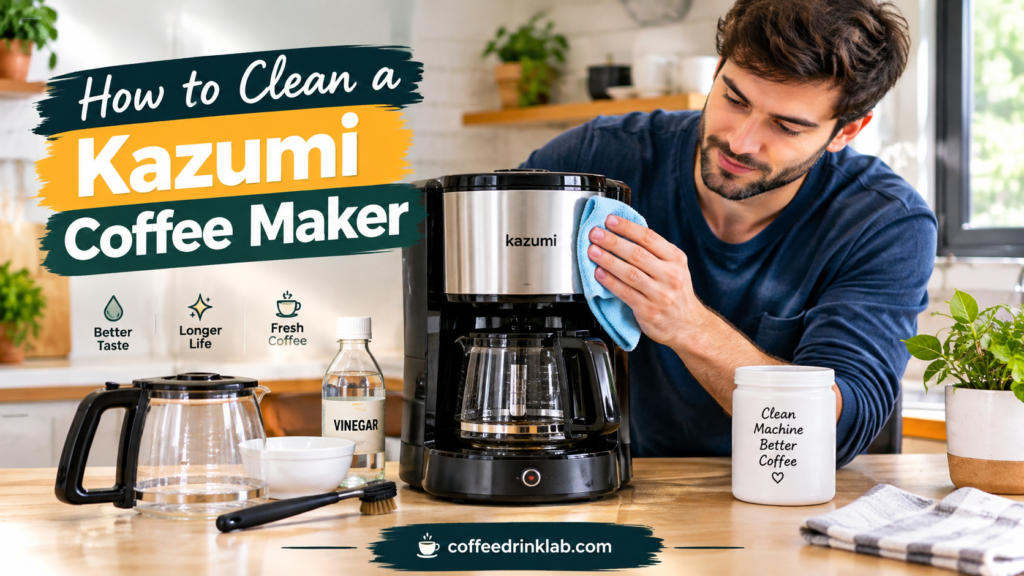
Because the Kazumi uses a reusable glass filter, there are no routine paper filters to purchase. The company recommends cleaning the glass components carefully and keeping the brewer disassembled during storage.
After brewing, allow the equipment to cool appropriately before cleaning. Rinse coffee residue from the brewing components, pay attention to the filter area, and avoid treating the glass like ordinary cookware.
Most importantly, inspect the glass regularly. If a component becomes cracked or damaged, replace it rather than continuing to use compromised glass around high heat.
1. Is Kazumi Coffee Legit?
If you are wondering is Kazumi Coffee legit, it is important to evaluate the brand through its official product information, listed coffee makers, customer reviews, and available purchasing details. Kazumi provides product specifications for its siphon coffee makers and publishes customer feedback on its official store.
However, buyers should still check the current shipping, return, warranty, and payment information before placing an order. Independent reviews and Reddit discussions can also provide additional perspectives, particularly about the buying and delivery experience.
1. Kazumi Coffee vs. Kazumi Coffee Maker
Kazumi coffee and the Kazumi coffee maker can refer to different search interests. Some people are looking for information about Kazumi coffee, while others are researching the siphon brewer itself. This guide focuses mainly on the Kazumi coffee maker, including its brewing method, price, glass construction, filter, cleaning, and buying options.
Pros and Cons of the Kazumi Coffee Maker
The biggest advantage is the brewing experience. The combination of visible siphon action, glass construction, full immersion, and reusable filtration gives the brewer a personality that ordinary automatic machines simply do not have.
However, that distinctive design also creates trade-offs. It costs more than basic brewing equipment and requires more attention during preparation and cleaning.
Pros
- Distinctive siphon brewing method
- 1000 ml capacity
- Borosilicate glass construction
- Reusable glass filter
- No disposable paper filter required
- Suitable for coffee experimentation
- Visually impressive countertop design
Cons
- Around $199.99 at the current official listing
- More involved than a drip or pod machine
- Glass requires careful handling
- Larger countertop footprint
- Production or shipping times may vary
The Final Talk
The kazumi coffee maker is worth considering if you want coffee brewing to feel like an experience rather than simply a daily appliance task. Its Japanese-style siphon system, 1000 ml capacity, borosilicate glass construction, and reusable glass filtration make it a distinctive option for enthusiasts who enjoy exploring beans and brewing techniques.
At the current listed price of $199.99, however, it is not the obvious choice for someone who simply wants fast, inexpensive coffee. Instead, its strongest appeal is to people who appreciate specialty coffee, visual brewing, and hands-on preparation.
If that sounds like you, the Kazumi offers plenty to experiment with from light-roast Arabica beans and grind size to brewing ratios and serving styles. Meanwhile, buyers concerned about price or delivery should verify current availability before ordering. Most importantly, choose it because you enjoy the brewing ritual as much as the final cup.
FAQs:
The Kazumi coffee maker can be worth considering if you enjoy manual brewing, siphon coffee, borosilicate glass construction, and a visually engaging brewing process. At around $199.99 on the current official US listing, it is better suited to coffee enthusiasts than buyers looking for the cheapest or fastest way to make coffee.
To use a Kazumi coffee maker, add water to the lower flask, place the appropriate amount of ground coffee in the upper chamber, assemble the brewer, and apply the recommended heat source. As the water rises into the upper chamber, allow the coffee to brew before removing the heat and letting the brewed coffee return through the glass filter.
Allow the brewer to cool before separating the components. Rinse the flask, brewing chamber, connecting parts, and reusable glass filter to remove coffee residue. Let the components dry completely before storage and regularly inspect the glass for cracks or damage.
Kazumi provides product information, specifications, pricing, and customer reviews through its official store. Buyers should still check current shipping, return, warranty, and payment information before purchasing, while independent reviews and Reddit discussions can provide additional perspectives about the buying experience.
The correct product name is Kazumi coffee maker. Searchers may also type variations such as “Kasumi coffee maker,” “Kazuma coffee maker,” “Kazumi coffe maker,” “Kazumi coffe,” or “Kazumi cofee.” These are spelling variations rather than separate products in this guide. When buying, check the exact product name, seller, model, and specifications to make sure you are viewing the intended Kazumi brewer.
Discover More Blends
Coffee Lovers: Top 18+ Best Coffee Choices at Home in 2026
spot coffee: Menu, Locations & Complete Guide 2026
Coffee Soda: Complete Guide for Beginners







6 Comments