
Mobile Coffee Cart: Complete Guide for Beginners in 2026
Running a mobile coffee cart is one of the most exciting ways to bring fresh coffee directly to customers. Whether you’re serving busy commuters, wedding guests, office employees, or festival crowds, a well-designed coffee cart lets you create café-quality drinks without the expense of a permanent storefront.As a result, many entrepreneurs and coffee lovers are choosing this flexible business model.
If you’re searching for the best mobile coffee cart for small business, you’ve come to the right place. This guide explains everything from choosing the right cart and equipment to creating an appealing menu and delivering excellent customer service. By the end, you’ll understand what makes a successful mobile coffee cart and how to choose one that fits your goals.
Why a Mobile Coffee Cart Is Becoming So Popular
Coffee culture continues to grow across the United States, and customers increasingly appreciate convenience without sacrificing quality. A mobile coffee cart allows business owners to meet customers where they already are instead of waiting for customers to visit a café.
Furthermore, startup costs are often significantly lower than opening a traditional coffee shop. Instead of investing hundreds of thousands of dollars in rent, renovations, and utilities, many entrepreneurs begin with a compact setup that can grow over time.
Some common locations include:
- Farmers markets
- Corporate offices
- College campuses
- Weddings
- Community festivals
- Sporting events
- Outdoor concerts
- Private parties
Most importantly, mobility provides flexibility. If one location isn’t performing well, you can simply move to another area with higher demand.
Best Mobile Coffee Cart for Small Business: What Makes a Great Cart?
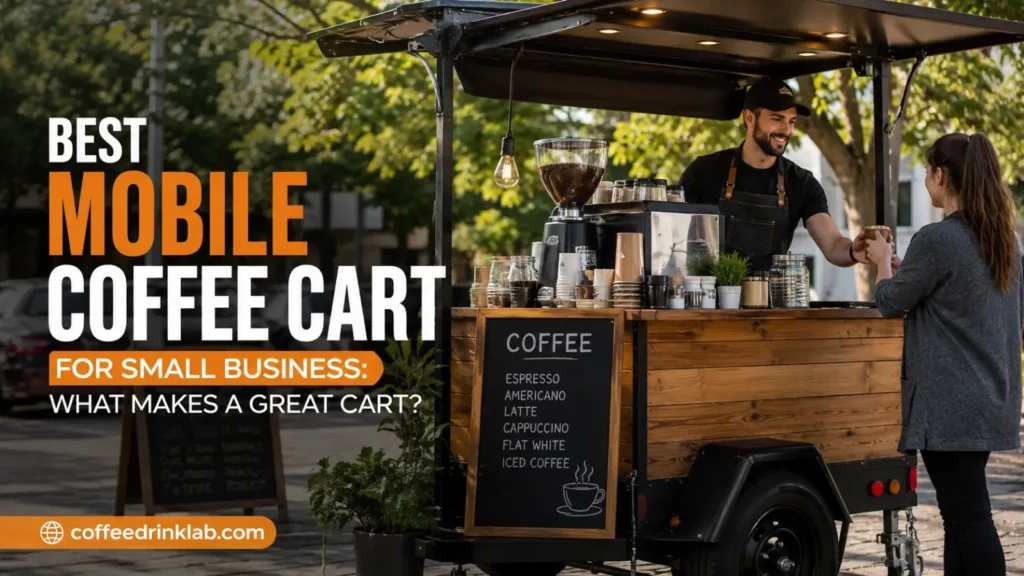
Choosing the best mobile coffee cart for small business isn’t simply about buying the largest cart available. Instead, the right choice depends on your menu, expected customer volume, available budget, and daily workflow.
A successful coffee cart should allow baristas to work comfortably while keeping equipment organized and drinks flowing efficiently. Additionally, it should reflect your brand through attractive design and professional presentation.
When comparing carts, consider these features:
- Durable stainless steel or aluminum construction
- Spacious preparation area
- Fresh water and wastewater tanks
- Secure storage cabinets
- Weather-resistant materials
- Easy transportation
- Attractive branding space
- Electrical compatibility
Although premium carts cost more initially, they often last much longer and require fewer repairs over time.
4. Types of Mobile Coffee Carts
Not every coffee cart serves the same purpose. Consequently, understanding the different styles helps you choose one that matches your business model.
1. Push Coffee Cart
The classic push cart remains popular because it’s simple, affordable, and easy to transport. Many entrepreneurs begin with this option before upgrading to larger setups.
Best for:
- Parks
- Indoor events
- Shopping centers
- Farmers markets
2. Espresso Coffee Cart
If espresso drinks are your specialty, an espresso-focused cart provides dedicated space for a commercial espresso machine, grinder, milk pitchers, and accessories.
Customers can enjoy favorites such as:
- Espresso
- Latte
- Cappuccino
- Flat White
- Americano
- Mocha
Although espresso equipment requires more power and maintenance, it usually generates higher profits because specialty drinks command premium prices.
3. Trailer Coffee Cart
Coffee trailers provide much more workspace than standard carts. They often include sinks, refrigerators, storage cabinets, and larger espresso equipment.
They’re ideal for:
- Festivals
- Food truck parks
- Weekend markets
- Large public events
However, trailers require a suitable towing vehicle and additional licensing in many locations.
4. Bicycle Coffee Cart
Bicycle coffee carts combine mobility with sustainability. They attract attention while allowing operators to navigate parks, downtown streets, and public spaces.
Many customers appreciate the environmentally friendly image, making these carts particularly popular in urban areas.
5. Essential Equipment for a Mobile Coffee Cart
The quality of your drinks depends heavily on the equipment you choose. Therefore, investing in reliable coffee gear pays off through consistent performance and happier customers.
1. Espresso Machine
The espresso machine is the heart of many coffee carts. Commercial machines provide stable temperature control, consistent extraction, and enough capacity for busy service periods.
Look for:
- Dual boilers
- Fast recovery time
- Reliable steam wand
- Easy maintenance
- Energy efficiency
2. Coffee Grinder
Freshly ground beans dramatically improve flavor. Even premium Arabica beans lose aroma quickly after grinding, so grinding each shot immediately before brewing creates richer espresso.
A quality grinder should offer:
- Adjustable grind size
- Consistent particle distribution
- Low retention
- Fast grinding speed
3. Brewing Equipment
Even if espresso is your main focus, offering alternative brewing methods expands your menu and attracts more customers.
Popular brewing equipment includes:
- French press
- Pour-over drippers
- Batch drip machine
- Cold brew system
- Single-serve brewer
Consequently, customers who prefer black coffee or lighter roast profiles have more choices.
4. Water Filtration
Many people overlook water quality, yet it’s one of the biggest factors affecting coffee flavor.
A proper filtration system helps:
- Improve taste
- Protect espresso machines
- Reduce mineral buildup
- Create consistent brewing results
As a result, every cup tastes cleaner and more balanced.
5. Refrigeration
Milk-based drinks require cold storage throughout the day. Small commercial refrigerators or insulated coolers help maintain safe temperatures while preserving freshness.
You’ll likely store:
- Whole milk
- Oat milk
- Almond milk
- Half-and-half
- Flavor syrups
- Whipped cream
Offering dairy-free options also broadens your customer base and accommodates different dietary preferences.
What Is a Coffee Cart?
A coffee cart is a compact, mobile coffee station designed to prepare and serve drinks in different locations without the need for a permanent café. In simple terms, the coffee cart meaning is a portable setup equipped with essential tools such as an espresso machine, grinder, water system, refrigeration, and storage.
Unlike a traditional coffee shop, a mobile cart can travel to farmers markets, offices, weddings, festivals, college campuses, and private events. This flexible model makes it easier for beginners to test different locations, serve customers where demand is high, and build a coffee business with less overhead than a full-size café.
How to Start a Mobile Coffee Cart Business
Starting a coffee cart business requires more than simply buying a cart and an espresso machine. A successful setup begins with choosing the right business model, researching your target customers, selecting suitable equipment, creating a manageable menu, and understanding local permits and operating requirements. When starting a coffee cart, begin with a simple setup that matches your budget and expected customer volume.
Plan where you will serve, calculate your equipment and ingredient costs, and develop a mobile coffee cart setup that allows you to prepare drinks quickly. With careful planning, setting up a mobile coffee business can be a practical way to test the market before expanding into larger events, additional carts, or a permanent coffee location.
Building a Coffee Menu Customers Love
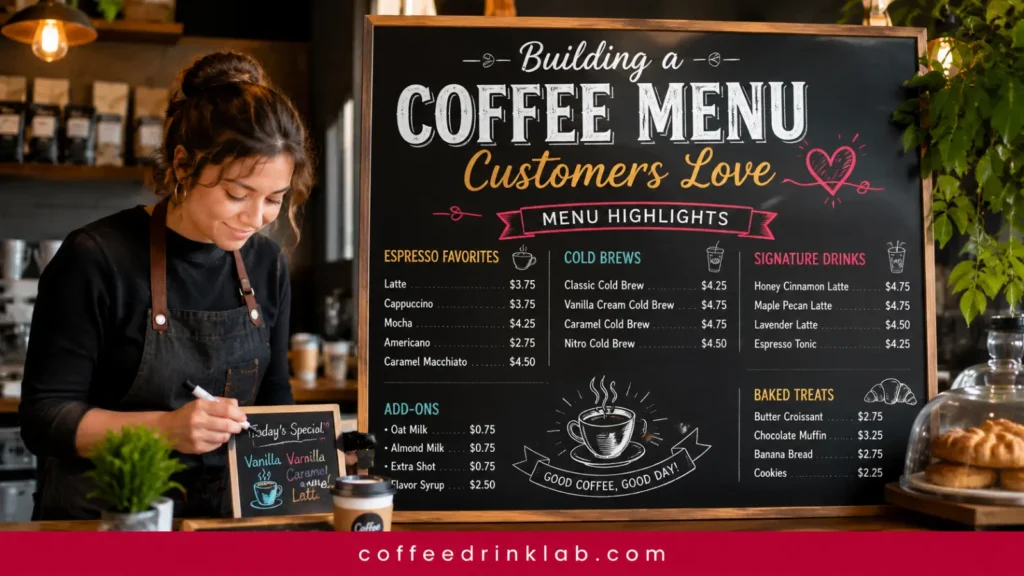
A thoughtful menu can turn first-time visitors into loyal regulars. Rather than offering dozens of drinks, focus on a balanced selection of customer favorites prepared consistently.
A strong menu typically combines classic espresso beverages with refreshing cold options and seasonal specialties. Meanwhile, rotating limited-time drinks keeps customers excited to return.
Popular menu choices include:
- Espresso
- Americano
- Latte
- Cappuccino
- Flat White
- Mocha
- Cold Brew
- Iced Latte
- Vanilla Latte
- Caramel Latte
- Chai Latte
- Hot Chocolate
Additionally, consider offering pastries or light snacks to increase average order value while complementing your coffee selection.
Best Mobile Coffee Cart for Small Business Setup and Costs
Finding the best mobile coffee cart for small business also means understanding your startup costs. Fortunately, a mobile setup is much more affordable than opening a brick-and-mortar café. However, your total investment depends on the type of cart, equipment, and local regulations.
Here’s a general estimate for a new business:
| Item | Estimated Cost (USD) |
|---|---|
| Mobile coffee cart | $3,000–$15,000 |
| Commercial espresso machine | $2,500–$10,000 |
| Coffee grinder | $500–$2,000 |
| Water filtration system | $150–$800 |
| Refrigerator or cooler | $300–$1,500 |
| POS system | $300–$1,200 |
| Initial coffee beans and supplies | $500–$2,000 |
| Branding and signage | $300–$2,000 |
| Permits and licenses | Varies by location |
Although these costs can seem significant, they are generally much lower than leasing and furnishing a traditional coffee shop.
Best Mobile Coffee Cart for Small Business Licensing and Permits
Before serving your first latte, you’ll need to meet local health and business requirements. Regulations vary by city and state, so always check with your local authorities.
Common requirements include:
- Business license
- Food service permit
- Health department inspection
- Sales tax registration
- Fire safety approval (where applicable)
- Event permits for festivals or private venues
- Liability insurance
Furthermore, some cities require a commissary kitchen where you can refill water, clean equipment, and safely dispose of wastewater.
Choosing Quality Coffee Beans
The coffee you serve defines your reputation. Even the most beautiful cart won’t earn repeat customers if the coffee lacks flavor.
Many successful mobile coffee businesses use Arabica beans because they offer smoother flavors, pleasant acidity, and complex aromas. Meanwhile, some espresso blends include a small amount of Robusta to create a richer crema and a slightly stronger caffeine kick.
When selecting beans, consider:
- Fresh roast date
- Roast level
- Origin
- Flavor notes
- Consistency
- Supplier reliability
Additionally, building relationships with local coffee roasters can give your menu a unique identity while supporting nearby businesses.
How Much Does a Mobile Coffee Cart Cost?
The cost of a mobile coffee cart depends on the cart itself, espresso equipment, power supply, refrigeration, water system, permits, branding, and initial inventory. A basic setup may require a smaller investment, while a professional espresso cart with commercial equipment can cost considerably more. Before buying, consider both the initial purchase price and ongoing expenses such as coffee beans, milk, maintenance, transportation, insurance, and event fees.
3. Best Mobile Coffee Cart for Small Business Menu Ideas
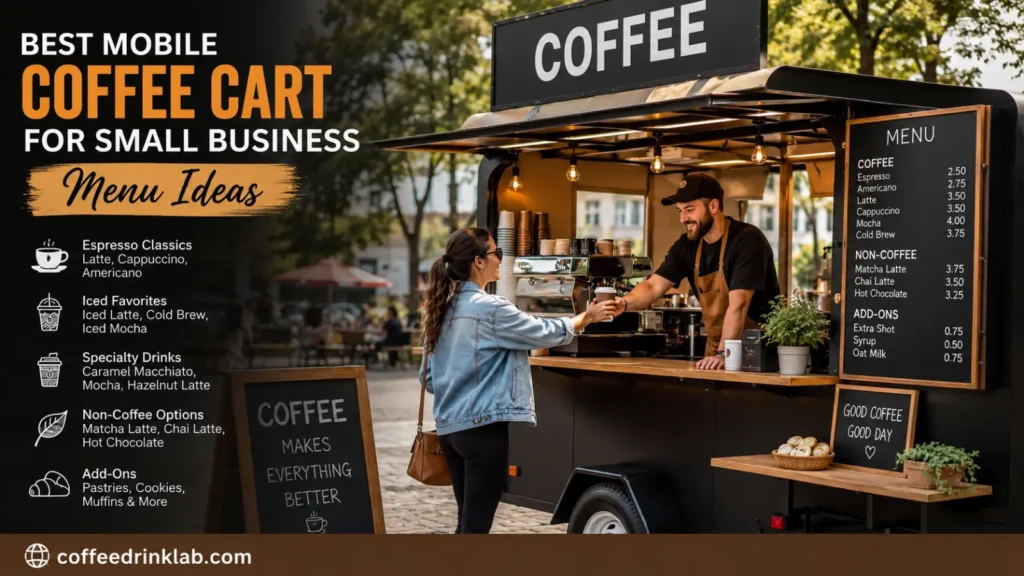
The best mobile coffee cart for small business balances customer favorites with profitable specialty drinks. Instead of overwhelming customers with dozens of choices, focus on quality and consistency.
1. Espresso Classics
These drinks remain top sellers because customers recognize and trust them.
Offer options such as:
- Espresso
- Americano
- Cappuccino
- Latte
- Flat White
- Cortado
- Macchiato
2. Iced Coffee Favorites
Cold beverages are especially popular during warmer months and often generate excellent profit margins.
Popular choices include:
- Iced Americano
- Iced Latte
- Cold Brew
- Nitro Cold Brew
- Iced Mocha
- Vanilla Cold Brew
3. Seasonal Specials
Limited-time drinks create excitement and encourage repeat visits.
Ideas include:
- Pumpkin Spice Latte
- Peppermint Mocha
- Lavender Latte
- Honey Cinnamon Latte
- Maple Cold Brew
- Salted Caramel Latte
As a result, customers have something new to try throughout the year.
Branding Your Mobile Coffee Cart
Your cart is more than a place to make coffee—it’s your storefront. Therefore, thoughtful branding helps customers remember your business long after they’ve finished their drink.
Choose a color palette, logo, and signage that reflect your personality and target audience. Likewise, use matching cups, menus, and uniforms to create a polished, professional appearance.
Strong branding should include:
- Memorable logo
- Easy-to-read menu
- Consistent colors
- Professional uniforms
- Social media handles
- Attractive cup design
Even small design details can leave a lasting impression.
Daily Workflow Tips for Success
Running a busy coffee cart requires organization and efficiency. Preparing ahead of time allows you to serve customers quickly while maintaining drink quality.
A typical day might include:
- Refill fresh water tanks.
- Stock milk, syrups, and pastries.
- Dial in the espresso grinder.
- Test espresso extraction.
- Prepare cash drawer or POS system.
- Clean all work surfaces.
- Restock cups and lids.
- Review inventory before opening.
Meanwhile, throughout the day, continue wiping equipment and monitoring ingredient levels to avoid delays during busy periods.
Marketing Your Mobile Coffee Cart
Great coffee alone isn’t enough. Customers first need to discover your business.
Fortunately, digital marketing makes it easier than ever to build a loyal following.
Effective marketing strategies include:
- Posting daily locations on Instagram
- Sharing drink videos on TikTok
- Creating a Google Business Profile
- Partnering with local businesses
- Offering loyalty rewards
- Attending community events
- Collaborating with wedding planners
- Running seasonal promotions
Additionally, encourage happy customers to leave online reviews. Positive reviews build trust and often influence first-time buyers.
Common Mistakes to Avoid
Every new coffee business faces challenges. Fortunately, many common mistakes are avoidable with careful planning.
Watch out for these issues:
- Buying oversized equipment
- Offering too many menu items
- Ignoring preventive maintenance
- Using stale coffee beans
- Underpricing drinks
- Running out of popular ingredients
- Skipping staff training
- Neglecting social media updates
By avoiding these pitfalls, you’ll create a smoother operation and a better customer experience.
Is a Mobile Coffee Cart Worth It?
For many entrepreneurs, the answer is yes. A mobile coffee cart offers flexibility, lower startup costs, and the freedom to serve customers in a variety of locations. Whether you’re working a weekend farmers market or catering a corporate event, the ability to move your business where demand is highest can significantly increase your earning potential.
Moreover, today’s consumers appreciate specialty coffee made with care. If you focus on high-quality beans, consistent preparation, friendly service, and smart branding, your cart can become a favorite destination wherever you park. Starting small also allows you to learn, refine your menu, and grow confidently over time.
The Final Talk
A mobile coffee cart is more than just a compact coffee station it’s an opportunity to build a flexible, customer-focused business while sharing great coffee with your community. Whether your goal is to serve handcrafted espresso drinks at weddings, busy office parks, farmers markets, or local festivals, the right equipment, thoughtful planning, and quality ingredients can set you apart from the competition.
Ultimately, choosing the best mobile coffee cart for small business comes down to your budget, menu, and long-term goals. Invest in reliable equipment, use freshly roasted beans, create a memorable customer experience, and continue improving with every event. As your reputation grows, you’ll gain loyal customers who return not only for excellent coffee but also for the welcoming experience your cart provides. With passion, preparation, and consistency, your mobile coffee business can thrive for years to come.
FAQs:
The most popular mobile coffee cart options include espresso carts, push carts, coffee trailers, and bicycle coffee carts. Espresso carts are ideal for serving specialty drinks like lattes and cappuccinos, while trailers offer more space for high-volume events. Your best choice depends on your budget, menu, and where you plan to serve customers.
The main difference is their size, mobility, and serving capacity. Push carts are lightweight and affordable, espresso carts focus on specialty coffee drinks, trailers provide additional workspace and storage, and bicycle carts are excellent for eco-friendly urban service. Each option suits different business goals and event sizes.
A compact push-style mobile coffee cart is often the best choice for beginners because it’s affordable, easy to transport, and simple to operate. It allows new business owners to learn daily operations before investing in larger equipment or expanding their menu.
Start by considering your budget, expected customer volume, available power source, and menu. If you mainly serve espresso drinks, prioritize space for a commercial espresso machine and grinder. Additionally, choose a durable cart with enough storage, water capacity, and room to work comfortably during busy hours.
Yes. Many people use a mobile coffee cart at home for entertaining guests, family gatherings, or practicing barista skills. While home setups usually don’t require commercial equipment, a compact cart can still create an attractive and functional coffee station.Yes. Many people use a mobile coffee cart at home for entertaining guests, family gatherings, or practicing barista skills. While home setups usually don’t require commercial equipment, a compact cart can still create an attractive and functional coffee station.
Discover More Blends
Coffee Lovers: Best Coffee Choices at Home
Coffee Soda: Complete Guide for Beginners




6 Comments