
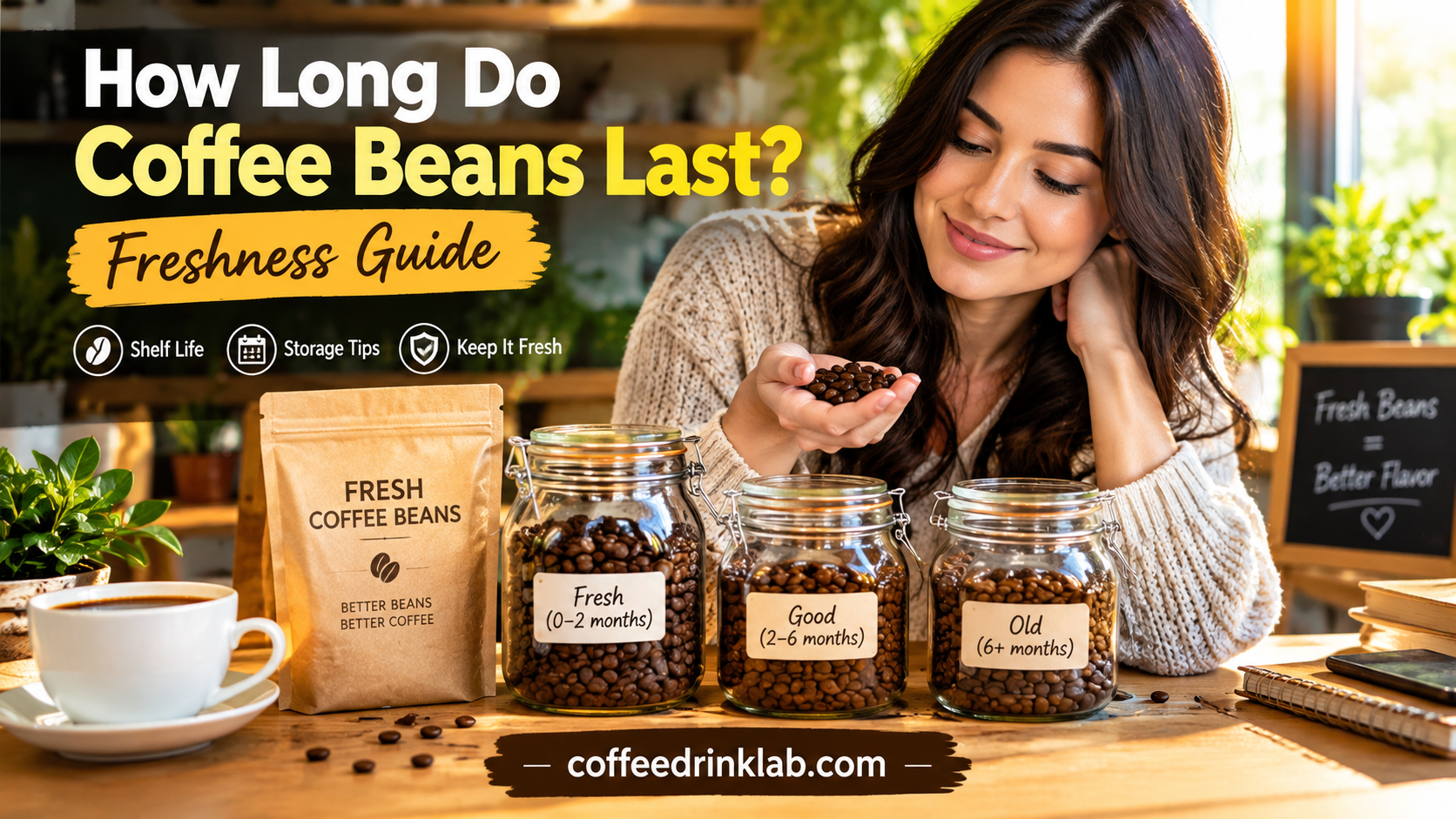
How Long Do Coffee Beans Last? Freshness Guide
Wondering how long do coffee beans last before they lose their best flavor? For most coffee lovers, freshness depends on whether the beans are whole or ground, roasted or green, sealed or opened, and how they are stored. If you want the best cup at home, understanding how long coffee beans last after opening can help you avoid stale, flat-tasting coffee and protect the aroma you paid for.
How Long Do Whole Coffee Beans Last?
Whole coffee beans generally stay fresh longer than ground coffee because less of their surface is exposed to oxygen. For the best flavor, freshly roasted whole beans are usually at their peak during the first few weeks after roasting, although properly stored beans can remain enjoyable for longer.
However, there is an important difference between safe to use and at peak freshness. Coffee beans typically do not suddenly become unsafe when they pass a particular date; instead, their aroma, flavor, and complexity gradually decline.
A good rule is to pay attention to the roast date when available rather than relying only on a best-by date.
1. How Long Do your beans Last After Opening?
Once you open a bag, oxygen begins interacting with the beans more quickly. As a result, the coffee gradually loses some of its aromatic oils and volatile flavor compounds.
For the best experience, buy an amount you can reasonably finish within a few weeks after opening. Keep the bag or container tightly sealed between uses, and store it somewhere cool, dry, and away from direct sunlight.
How Long Do Coffee Beans Last? Understanding Freshness
The answer depends on the type of beans and their storage conditions. Freshly roasted coffee can taste vibrant, sweet, and aromatic, while older beans may produce a flatter or less expressive cup.
Here is a practical freshness guide:
| Coffee type | Typical best-quality period | What affects freshness most |
|---|---|---|
| Freshly roasted whole beans | About 2–4 weeks after opening | Oxygen, heat, light |
| Opened roasted beans | Several weeks for best flavor | Air exposure and storage |
| Sealed roasted beans | Often months, depending on packaging | Seal and roast date |
| Ground coffee | Faster flavor loss than whole beans | Large exposed surface area |
| Green coffee beans | Many months when stored correctly | Moisture, heat, humidity |
| Frozen beans | Can preserve quality for extended periods | Airtight packaging and temperature changes |
These are quality guidelines rather than strict expiration dates. Therefore, a bag that is older than the suggested window may still produce drinkable coffee, but its flavor may not be as lively.
1. How Long Do Coffee Beans Last Sealed?
Sealed coffee beans generally last longer than opened beans because the packaging limits exposure to oxygen. Many commercially packaged coffee bags are designed to protect the beans until they are opened, particularly when they use one-way valves or effective oxygen barriers.
Still, sealed does not mean permanently fresh. Over time, roasted coffee naturally loses some of its aromatic character.
1. How Long Do Sealed Coffee Beans Last?
If the package remains unopened, follow the manufacturer’s best-by guidance and consider the roast date when it is provided. Properly packaged beans can retain useful quality for months, but they are usually at their best relatively soon after roasting.
For specialty coffee, freshness is particularly important because delicate floral, fruity, chocolate, and caramel notes can become less noticeable as the beans age.
1. How Long Do Coffee Beans Last in the Freezer?
Freezing can be useful when you have more coffee than you can reasonably drink while it is fresh. When beans are sealed properly, freezing slows the chemical reactions that contribute to flavor degradation.
However, moisture and repeated temperature changes can work against you. Therefore, avoid repeatedly taking the same large bag in and out of the freezer.
For longer storage, divide the beans into appropriately sized airtight portions before freezing. When you are ready to use one portion, allow it to come to room temperature while still sealed. This helps reduce condensation from forming directly on the beans.
1. How Long Do Coffee Beans Last in the Fridge?
The refrigerator is generally less useful than the freezer for storing coffee beans. Coffee readily absorbs surrounding odors, and refrigerators contain plenty of aromas from foods and drinks.
Additionally, repeated temperature changes and moisture can affect the beans. For everyday storage, a cool, dark cabinet with an airtight container is usually a better choice.
How Long Do Ground whole beans Last?
Technically, coffee beans become coffee grounds once they are ground, but the distinction matters because grinding dramatically increases the surface area exposed to oxygen.
That is why ground coffee generally loses its peak aroma faster than whole beans. If possible, grind whole beans shortly before brewing rather than grinding an entire bag at once.
A burr grinder can also provide a more consistent grind size, which helps with extraction and makes it easier to get balanced results from methods such as pour-over, French press, and espresso.
How Long Do freshly roasted beans Last Once Opened?
Opened roasted beans gradually lose freshness because oxygen, light, heat, and moisture can interact with the coffee. The speed of this process varies considerably depending on the packaging and storage environment.
To keep your beans tasting better for longer:
- Use an airtight, opaque container.
- Keep the container away from the stove and direct sunlight.
- Avoid storing beans in a warm or humid location.
- Open the container only when necessary.
- Buy quantities that you can finish relatively quickly.
- Grind only what you need for each brewing session.
Most importantly, don’t leave the original bag loosely folded or open on the kitchen counter. Even excellent beans can lose their character quickly when exposed to air, heat, and humidity.
1. How Long Do Coffee Beans Last After the Expiration Date?
Coffee beans can remain usable after the printed best-by date, but their quality may decline. A best-by date is primarily a quality guideline rather than a guarantee that the coffee suddenly becomes unusable the following day.
Instead of looking at the date alone, inspect the packaging and the coffee. If the bag is damaged, contaminated, or the beans have an unusual appearance or smell, it is better not to use them.
For ordinary aging, however, the bigger concern is usually flavor rather than an abrupt expiration. Older beans may taste muted, flat, papery, or noticeably less aromatic.
1. How Long Do Unroasted Coffee Beans Last?
Green coffee beans can last considerably longer than roasted beans when stored under appropriate conditions. Because they have not gone through roasting, they retain a different chemical structure and are generally less vulnerable to the rapid flavor changes associated with freshly roasted coffee.
Keep green beans in a cool, dry, stable environment with protection from excessive humidity, heat, sunlight, and strong odors. Moisture is particularly important because poor storage can damage green coffee quality.
For home roasting enthusiasts, buying manageable quantities is still wise because green coffee is not immune to aging.
What Makes Coffee Beans Go Stale?
Several environmental factors influence how quickly coffee loses its best characteristics. The biggest concerns are oxygen, heat, light, moisture, and time.
Oxygen is especially important because coffee’s aromatic compounds gradually react with the surrounding air. Meanwhile, heat can accelerate these changes, while light can contribute to quality loss.
Moisture is another concern. Coffee should be kept dry because exposure to humidity can affect both roasted and green beans.
As a result, the classic storage advice is simple: keep coffee cool, dry, dark, and airtight.
Best Way to Store Coffee Beans at Home
The easiest everyday approach is to buy whole beans, keep them in an airtight container, and store that container in a cool, dark cabinet.
A kitchen cabinet away from the oven, dishwasher, sink, and windows is usually a practical location. You do not need an elaborate setup to make a meaningful difference.
If you buy specialty coffee, also consider writing the roast date and opening date on the container. That simple habit makes it easier to compare different beans and understand when a particular coffee tastes best.
How Long Do your beans Last? A Simple Freshness Checklist
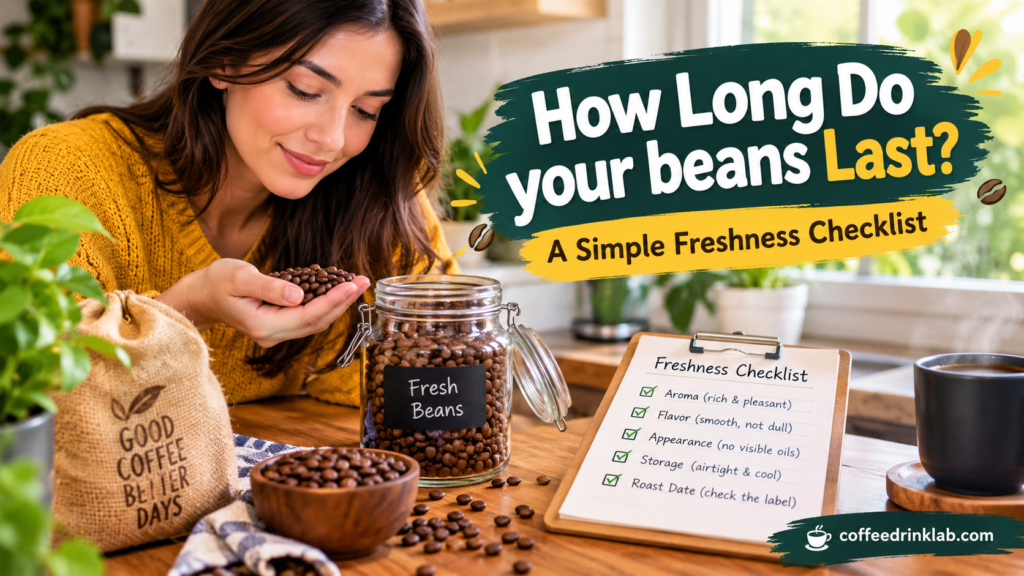
When you’re unsure whether your beans are still worth brewing, consider these factors:
- Roast date: Newer roasted beans generally offer more vibrant aromas.
- Opening date: Opened packaging allows more oxygen exposure.
- Storage: Airtight, cool, dark storage helps protect quality.
- Bean type: Whole beans generally retain quality better than grounds.
- Packaging: High-quality sealed packaging can slow freshness loss.
- Smell and flavor: Flat or stale flavors can indicate declining quality.
Ultimately, your palate is one of the best tools for judging coffee freshness. If the aroma has disappeared and the brewed coffee tastes noticeably flat, it may be time for a fresher bag.
The Final Talk
Knowing how long do coffee beans last makes it much easier to buy, store, and brew coffee without wasting good beans. Whole roasted beans generally maintain their best flavor longer than grounds, while sealed packaging can slow freshness loss. Meanwhile, airtight storage in a cool, dark, dry place is one of the simplest ways to protect your coffee.
For everyday brewing, buy an amount you can comfortably finish while the beans still taste lively. If you need longer storage, carefully sealed portions in the freezer can be useful. Most importantly, don’t judge coffee only by a printed date. Roast date, opening date, packaging, storage conditions, aroma, and taste all tell you more about freshness.
So, whether you’re brewing espresso, pour-over, French press, or drip coffee, fresh beans can make a noticeable difference. Once you learn how your favorite coffee changes with age, you’ll be much better equipped to choose, store, and enjoy every bag.
FAQs:
Medium-roast Arabica beans are a comfortable starting point for many beginners because they can offer a balanced combination of sweetness, acidity, body, and recognizable flavor notes. However, personal taste matters, so light and dark roasts are also worth exploring.
Start by considering roast level, origin, flavor notes, brewing method, and how quickly you drink coffee. If you enjoy fruity and bright flavors, a lighter roast may appeal to you, while chocolatey or nutty profiles are often associated with medium and darker roasting styles.
Absolutely. Whole beans are excellent for home brewing, particularly when you grind them shortly before making coffee. They work well with drip machines, pour-over brewers, French presses, espresso machines, and many other brewing methods.
The most popular everyday method is keeping whole roasted beans in an airtight container in a cool, dark, dry cabinet. For longer-term storage, some coffee drinkers freeze properly sealed portions. The best method depends on how quickly you consume your beans.
Fresh beans generally have stronger aromas and more distinct flavor notes, while stale beans can taste flatter or less complex. The difference is usually gradual rather than an instant change from fresh to unusable.
Discover More Blends
Brazilian Coffee Beans: Origin, Taste & Roasts
Can I Drink Coffee After Tooth Extraction? Guide
Calabria Coffee: Authentic Italian Espresso Guide



3 Comments