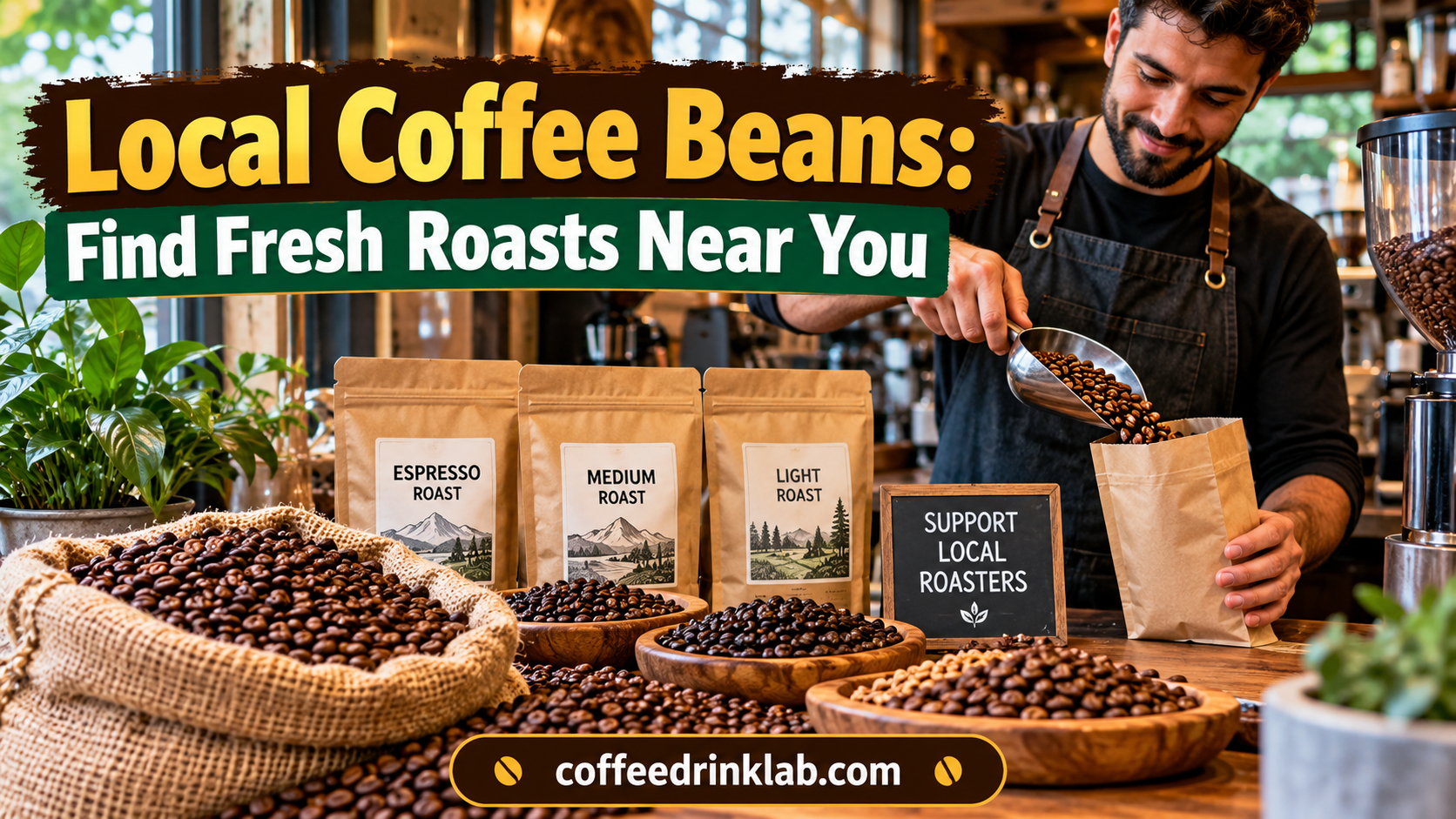
Local Coffee Beans: Find Fresh Roasts Near You
If you care about fresher coffee, better flavor, and supporting independent roasters, local coffee beans are worth exploring. Buying from a nearby roaster can give you access to beans roasted in small batches, useful brewing advice, and flavors that may be fresher than supermarket coffee. In this guide, I’ll show you how to find the best local coffee beans near me, understand roast dates and origins, compare local roasters with larger brands, and choose beans that actually fit your favorite brewing method.
Local Coffee Beans Near Me: What Does “Local” Really Mean?
When people search for local coffee beans near me, they usually mean coffee roasted by an independent or regional roaster close to where they live. The coffee beans themselves are rarely grown locally in the United States because most coffee-producing regions are located in tropical countries.
Instead, “local” generally describes where the beans are roasted, packaged, or sold. A local roaster may source Arabica beans from Ethiopia, Colombia, Brazil, Guatemala, or other producing regions and then roast them in your city or state.
That distinction matters because freshly roasted coffee can offer more pronounced aroma and flavor. Furthermore, buying directly from a roaster often gives you more information about the bean’s origin, roast level, processing method, and recommended brewing technique.
Why Buy Local Roasted Coffee Beans?
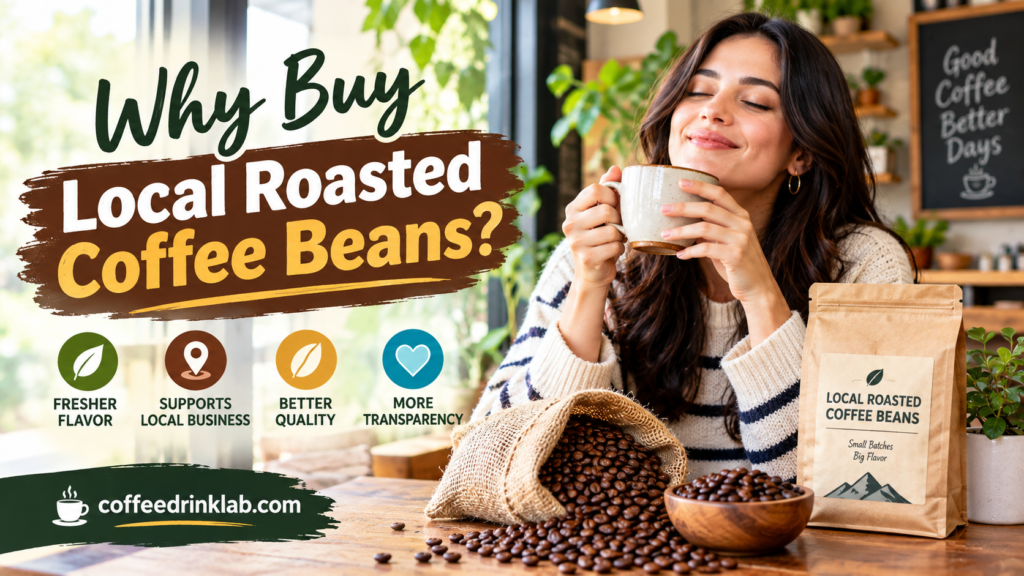
One of the biggest advantages of local roasted coffee beans is freshness. Coffee gradually loses aromatic compounds after roasting, so knowing the roast date can help you choose beans that are still vibrant.
Local roasting also gives you more opportunities to ask questions. For example, a roaster can recommend a medium roast for a balanced drip coffee or a darker blend if you prefer a bold espresso-style cup.
Other benefits can include:
- Small-batch roasting
- More transparent sourcing information
- Seasonal and limited-release beans
- Advice about grind size and brewing
- Opportunities to sample different flavor profiles
- Support for independent local businesses
However, local does not automatically mean better. The quality of the green beans, roasting skill, freshness, storage, and sourcing practices still matter.
2. How to Find the Best Local Coffee Beans Near Me
Finding the best local coffee beans near me starts with looking beyond the coffee aisle at a supermarket. Search for independent coffee roasters, specialty coffee shops that roast their own beans, farmers markets, and local coffee businesses that sell freshly roasted bags.
Google Maps and local search results can help you identify nearby roasters. You can also look at coffee shop websites to determine whether they roast their own coffee or simply purchase beans from another company.
1. Check the Roast Date
The roast date is one of the most useful details on a coffee bag. Rather than choosing a bag only because it has an attractive package or familiar brand name, look for a clearly printed roasting date.
For many brewing methods, beans are particularly enjoyable after they have had some time to rest following roasting. The ideal window varies by roast and brewing method, so following the roaster’s recommendation is often the smartest approach.
2. Look for Origin and Processing Information
Good specialty coffee packaging often provides details about the bean’s origin, processing method, variety, and elevation. These details can give you clues about what to expect in the cup.
For example, Ethiopian coffees may offer floral or fruit-forward notes, while some Brazilian coffees are known for chocolate, nutty, or caramel-like characteristics. Nevertheless, the final flavor depends on the specific coffee and roasting style.
3. Where to Buy Local Coffee Beans
If you’re wondering where to buy local coffee beans, you have several practical options. The best choice depends on whether you prioritize freshness, convenience, variety, or the opportunity to talk directly with a coffee professional.
1. Local Coffee Roasters
A dedicated roastery is usually the first place I would check. You can often find several roast levels, single-origin coffees, blends, and seasonal offerings in one location.
Additionally, buying directly from the roaster may give you access to brewing recommendations and information that isn’t available on a standard supermarket shelf.
2. Independent Coffee Shops
Many independent cafés sell bags of their house coffee. Some roast their own beans, while others partner with regional roasters.
If you already enjoy the coffee served at a particular café, buying the same beans for home brewing can be an easy way to recreate that flavor.
3. Farmers Markets and Local Food Shops
Farmers markets can occasionally feature small coffee businesses that roast locally. This option is especially useful if you enjoy meeting the people behind the products you buy.
However, always check the roast date and storage conditions before purchasing. A local product isn’t necessarily fresh if it has been sitting on a shelf for too long.
Local Roasted Coffee Beans Near Me: What Should You Check?
When searching for local roasted coffee beans near me, don’t choose a bag based solely on the word “local.” Instead, compare several practical details.
| What to Check | Why It Matters |
|---|---|
| Roast date | Helps you judge freshness |
| Bean origin | Gives clues about flavor |
| Roast level | Influences taste and body |
| Processing method | Can affect sweetness and acidity |
| Whole bean or ground | Whole beans generally preserve aroma longer |
| Brewing recommendation | Helps match beans to your equipment |
| Packaging | Good packaging helps protect coffee from oxygen and moisture |
| Price | Lets you compare quality and value |
Most importantly, think about how you actually drink coffee. A beautifully complex light roast may be exciting for pour-over brewing but less appealing if you prefer a bold, low-acidity cup with milk.
3. Choosing Local Coffee Beans by Roast Level
Roast level is one of the easiest ways to narrow down your options. Light, medium, and dark roasts can taste dramatically different even when they come from the same coffee-growing region.
1. Light Roast Local Coffee
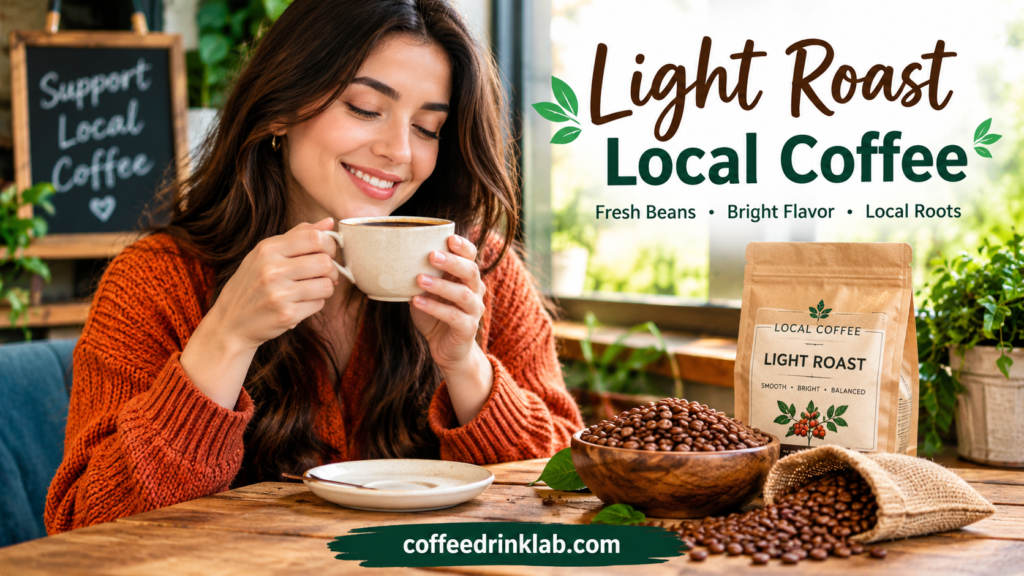
Light roast beans usually preserve more of the coffee’s origin character. Depending on the bean, you might notice citrus, berries, flowers, herbs, or other bright flavors.
They are particularly popular with pour-over and other brewing methods that highlight clarity and delicate flavor.
2. Medium Roast Local Coffee
Medium roast is a versatile middle ground. It can combine some origin character with caramelized sweetness, balanced acidity, and a fuller body.
If you’re new to specialty coffee, medium roast local beans are often a comfortable starting point because they work well in drip machines, French presses, pour-over brewers, and many other setups.
3. Dark Roast Local Coffee
Dark roast beans generally produce deeper roasted flavors, with notes that can remind you of chocolate, toasted nuts, caramel, or bittersweet cocoa.
If you enjoy a strong-tasting breakfast coffee or espresso-based drinks with milk, a darker roast may suit your preferences.
4. Best Local Coffee Beans for Different Brewing Methods
Your brewing equipment should influence the beans you choose. For instance, a coffee that tastes excellent through a pour-over may not produce the same experience in a French press or espresso machine.
1. Drip Coffee Maker
For automatic drip machines, medium roast blends are a reliable option. Look for balanced beans with chocolate, caramel, nutty, or mildly fruity notes.
2. French Press
French press brewing works particularly well with medium to medium-dark roasted beans and a coarse grind. Full-bodied coffees can complement the immersion brewing style.
3. Pour-Over
Pour-over brewing is excellent for exploring single-origin local roasted coffee beans. Light and medium roasts can reveal subtle acidity, sweetness, and origin-specific flavors.
4. Espresso Machine
Espresso generally benefits from beans that produce enough body and sweetness under pressure. Medium and dark roast blends are common choices, although lighter specialty roasts can also work beautifully with the right recipe.
Are Local Coffee Beans Better Than Supermarket Coffee?
Local coffee beans are not automatically superior, but they can provide advantages in freshness, variety, transparency, and customer support. A nearby specialty roaster may roast in smaller batches and provide a specific roast date, while some mass-market coffee spends longer moving through distribution channels.
On the other hand, supermarket coffee can be convenient and affordable. Therefore, the better choice depends on your priorities.
If freshness and exploring different flavors matter most, local roasting is worth trying. If convenience and a lower price are your biggest concerns, a supermarket brand may still satisfy you.
Local Coffee Beans in Lahore, Karachi, and Pakistan
Searches for local coffee beans in Lahore, local coffee beans in Karachi, and coffee beans in Pakistan usually have a slightly different meaning from the US-focused local-roaster concept.
Pakistan has a growing specialty coffee scene, and consumers may use “local coffee” to mean coffee brands, roasters, suppliers, or cafés operating within Pakistan. However, most coffee beans are still sourced internationally because Pakistan is not a major commercial coffee-growing origin.
If you’re searching for coffee beans in Lahore, Karachi, Islamabad, or another Pakistani city, compare roast dates, origin information, whole-bean options, roast levels, and storage practices. Likewise, if you’re looking for a coffee beans supplier in Lahore, ask whether the business roasts locally or simply distributes imported coffee.
What About 1kg Coffee Beans Prices in Pakistan?
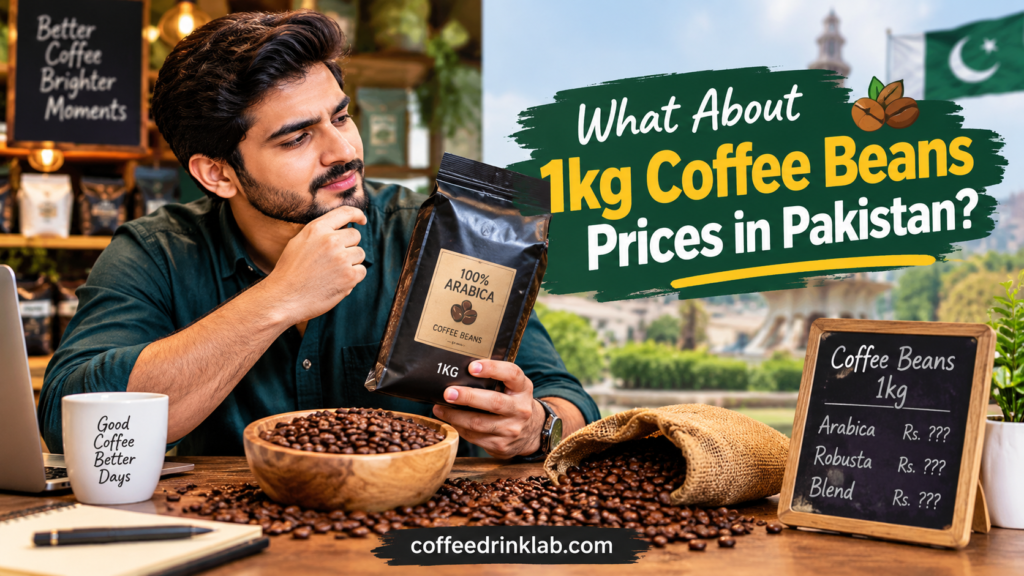
The price of 1kg coffee beans in Pakistan can vary considerably depending on origin, roast quality, whether the beans are specialty or commercial grade, and whether they are sold as a single-origin coffee or blend.
Rather than choosing only by price, compare the roast date, bean origin, packaging, and reputation of the seller. A cheaper bag isn’t necessarily better value if the coffee is old or poorly stored.
How to Store Local Coffee Beans at Home
Even excellent local roasted coffee can lose quality if you store it incorrectly. Keep your beans in an airtight container in a cool, dry location away from direct sunlight, heat, and moisture.
Avoid repeatedly opening a large container throughout the day. If you buy a larger quantity, divide it into practical portions so that the beans you aren’t currently using remain protected.
Grinding immediately before brewing can also help preserve aroma. In contrast, pre-ground coffee exposes much more surface area to oxygen and can lose freshness faster.
The Final Talk
Local coffee beans can make your everyday cup more interesting because they give you an opportunity to explore fresh roasts, different origins, and independent coffee businesses. Whether you’re searching for the best local coffee beans near me in the United States or comparing coffee suppliers in Lahore, Karachi, or Islamabad, freshness should remain one of your biggest priorities.
Start by checking the roast date, then consider the origin, roast level, processing method, and brewing equipment you use at home. Furthermore, don’t be afraid to try something outside your usual routine. A medium roast from a nearby roaster might become your new daily coffee, while a fruity Ethiopian light roast could introduce you to an entirely different side of coffee.
Most importantly, remember that “local” is a starting point, not a guarantee of quality. Compare your options, ask questions, brew carefully, and let your own palate decide which beans deserve a permanent place in your coffee routine.
FAQs:
Medium roast local coffee beans are a good starting point for many beginners. They tend to offer a balanced combination of sweetness, acidity, body, and roast character, making them flexible for drip machines, French presses, and pour-over brewers.
Start with your preferred brewing method and flavor profile. Then consider roast level, origin, processing method, roast date, and whether you prefer a single-origin coffee or blend.
Absolutely. Local roasted beans can be used with most home brewing equipment, including drip machines, French presses, pour-over brewers, espresso machines, and many single-serve setups. Choose the correct grind size for your brewer and store the beans properly between uses.
The most popular local coffee beans vary by region because every roaster works with different origins and blends. In general, medium-roast Arabica blends, Colombian coffees, Brazilian coffees, Ethiopian coffees, and espresso blends are widely appealing because they offer different combinations of sweetness, acidity, body, and aroma.
The main difference is usually where the beans are roasted, sourced, and sold rather than where they are grown. Two local roasters can use beans from completely different countries and create very different flavor profiles through their sourcing and roasting decisions.
Discover More Blends
Barbarossa Coffee: Menu, Reviews, Spring & Tomball Guide 2026
Flavored Coffee Beans: Best Flavors & Buying Guide
Can You Drink Coffee After Wisdom Teeth Removal?





2 Comments