
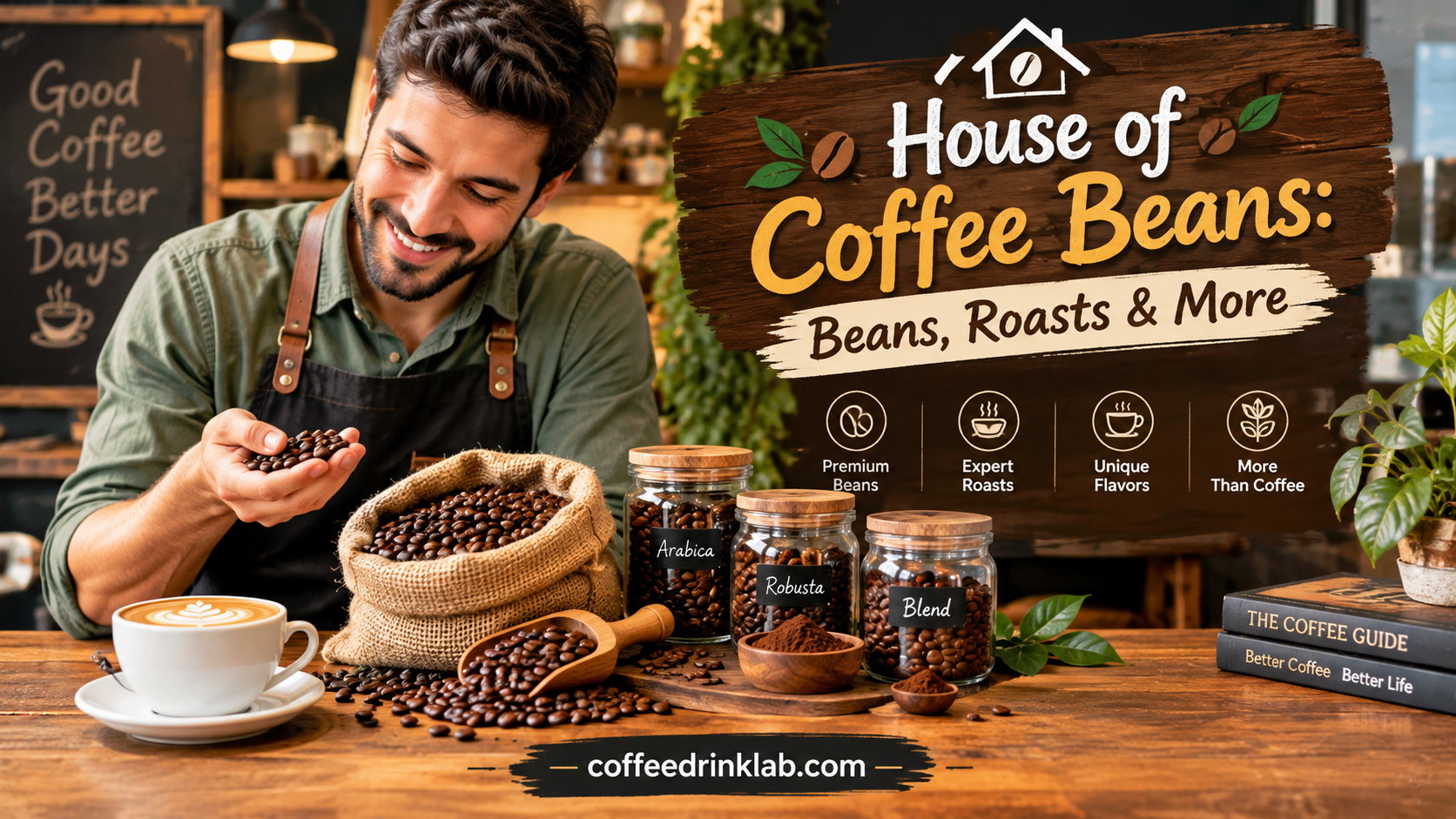
House of Coffee Beans: Beans, Roasts & More
If you’re searching for house of coffee beans, you may be looking for a coffee shop, a local roaster, or simply better beans for brewing at home. The phrase also connects with searches such as house of coffee beans Houston, dark-roast whole beans, coffee house menus, and fresh beans near you.
Fortunately, understanding what to look for makes the search much easier. Whether you prefer a bold dark roast, a smooth medium roast, or freshly roasted Arabica beans, this guide explains the options so you can choose with confidence.
House of Coffee Beans Houston: What Should You Look For?
When people search for house of coffee beans Houston, they are often trying to find a local place where they can buy fresh beans or enjoy a professionally prepared cup. Houston has a broad coffee scene, so the best choice depends on whether you want whole beans, espresso drinks, a relaxing coffeehouse atmosphere, or locally roasted coffee.
A good coffee shop or roastery should make its bean choices easy to understand. Ideally, you can find information about roast level, origin, freshness, grind options, and brewing recommendations.
When comparing a local coffee destination, consider:
- Roast date: Fresher beans generally retain more of their aromatic character.
- Origin: Beans from different regions can have very different flavor profiles.
- Roast level: Light, medium, and dark roasts offer noticeably different tastes.
- Whole-bean availability: Whole beans allow you to grind immediately before brewing.
- Brewing options: Espresso, drip, pour-over, and French press can highlight different characteristics.
Therefore, if you’re searching for coffee beans in Houston, don’t choose based on the name alone. Look for freshness, clear product information, and beans that match your preferred brewing method.
2. Understanding the House of Coffee Beans Experience

The expression house of coffee beans can describe more than a single type of coffee. In search results, people may use similar wording when looking for a coffeehouse, a specialty roaster, packaged beans, or a local business.
That distinction matters because buying a bag of beans is different from ordering a prepared drink. A coffeehouse may focus on espresso beverages and food, while a roastery may put greater emphasis on bean origin, roasting profiles, and brewing education.
1. Whole Beans vs. Ground Coffee
Whole beans are generally the better choice when freshness and flavor are priorities. Grinding coffee immediately before brewing helps preserve the aromatic compounds that make a cup taste vibrant.
Ground coffee, however, is more convenient. If you value speed in the morning, professionally ground coffee can still produce an enjoyable cup when it is stored properly and used relatively quickly.
2. Arabica vs. Robusta
Arabica beans are commonly associated with more nuanced flavors, including fruity, floral, chocolatey, or nutty notes. Robusta generally has a stronger, more pronounced character and is often used in espresso blends to contribute body and crema.
Neither is automatically “better.” Your preferred flavor profile and brewing method should guide the choice.
Henry’s House of Coffee Dark Roast Whole Beans
Henry’s House of Coffee dark roast whole beans are an example of the type of product people may encounter when searching for bold, traditional coffee. Dark roasting generally produces a deeper flavor with roasted, bittersweet, smoky, or chocolate-like characteristics.
For someone who enjoys strong-tasting coffee, a dark roast can work especially well in brewing methods that produce a full-bodied cup. Espresso, French press, and drip brewing can all work, although the grind size and brewing recipe should be adjusted to the method.
If you prefer a darker profile, look for beans described with terms such as:
- Dark roast
- Full-bodied
- Rich
- Bold
- Chocolatey
- Smoky or bittersweet
Keep in mind that dark roast does not automatically mean more caffeine. Roast level changes the flavor and physical characteristics of the bean, while caffeine content depends on several factors, including bean type and serving size.
Full of Beans Coffee House & Roastery
A name such as Full of Beans Coffee House & Roastery highlights the connection between a coffeehouse and the roasting side of the business. A roastery can offer customers a closer look at where their coffee comes from, how it is roasted, and how different brewing methods affect the final cup.
For coffee lovers, that combination can be particularly useful. Instead of simply ordering a drink, you may be able to compare different beans and learn which roast works best for your preferred brewing method.
A good roastery experience may include:
- Single-origin coffees
- House blends
- Different roast levels
- Whole-bean and ground options
- Espresso-focused blends
- Brewing recommendations
In addition, buying from a roaster can make it easier to ask questions about roast dates, flavor notes, and grind settings.
House of Beans Coffee: What Makes a Good Choice?
The phrase house of beans coffee is another variation that can appear when people search for coffee shops or specialty beans. Regardless of the business name, the same basic buying principles apply.
First, consider what kind of coffee you actually enjoy. Someone who drinks a latte every morning may want beans that remain flavorful when combined with milk, while a pour-over drinker may prefer a lighter roast with more noticeable acidity and origin characteristics.
1. Choosing a Roast Level

Light roast coffee tends to preserve more of the bean’s origin characteristics. It may have brighter acidity and fruitier or floral notes.
Medium roast usually provides a balance between origin character and developed roasting flavors. It is a versatile option for everyday brewing.
Dark roast emphasizes heavier roasted flavors. It can be a good match for people who enjoy bold, bittersweet coffee.
| Roast | Typical flavor | Good for |
|---|---|---|
| Light | Fruity, floral, bright | Pour-over, specialty brewing |
| Medium | Balanced, sweet, nutty | Everyday coffee |
| Dark | Bold, smoky, bittersweet | Espresso, strong coffee |
Ultimately, the best roast is the one that matches your taste rather than the one with the most impressive description.
How to Find Fresh Coffee Beans Near You
Searches for fresh coffee beans near me usually indicate that freshness is a major concern. While location matters, the roast date is often more useful than simply choosing the closest store.
Freshly roasted beans contain aromatic compounds that gradually change after roasting. That does not mean older coffee is automatically bad, but beans that have been stored for a long time may lose some of their aroma and complexity.
When buying locally, ask:
- When were these beans roasted?
- Are they available as whole beans?
- What brewing method do you recommend?
- What roast level are they?
- Are they single-origin or a blend?
Additionally, store your beans in an airtight container away from heat, light, moisture, and strong odors.
Best Coffee Beans Houston Shoppers Should Consider
Someone searching for the best coffee beans Houston can easily become overwhelmed by the number of choices. Instead of looking for one universally “best” bean, start with your brewing method and preferred flavor.
For espresso, a balanced medium or medium-dark blend can provide body and sweetness. For pour-over, lighter roasted single-origin beans can showcase distinctive flavor notes. Meanwhile, French press often works nicely with medium or dark roasts and a coarse grind.
Your ideal coffee should therefore answer three questions:
- What flavor do I enjoy?
- How do I brew coffee?
- How quickly will I use the beans?
That approach is more useful than simply choosing the most expensive bag.
House of Coffee Beans Hours and Visiting a Coffee Shop
If you’re specifically searching for house of coffee beans hours, always verify the current schedule before visiting. Coffee shops can change opening times for weekends, holidays, special events, or seasonal schedules.
Hours are especially important if you’re planning an early-morning coffee run. A shop that opens at 7 a.m. on weekdays may have a different weekend schedule.
Similarly, check whether the location offers:
- Dine-in seating
- Takeout
- Whole-bean sales
- Espresso drinks
- Food or pastries
- Online ordering
Because business hours can change, the official business listing or website is the safest place to confirm them.
What Might You Find on a Coffee Shop Menu?

A search for a house of coffee beans menu can mean different things depending on the business. Coffee menus commonly combine espresso drinks, brewed coffee, cold beverages, tea, and sometimes breakfast or bakery items.
Popular choices include espresso, Americano, cappuccino, latte, mocha, cold brew, and iced coffee. Milk alternatives such as oat milk and almond milk are also common in many modern coffee shops.
If you’re new to specialty coffee, start with something familiar. A latte provides a smoother, milk-based introduction, while an Americano lets you experience espresso with a lighter body. If you enjoy strong coffee flavors, straight espresso or black brewed coffee may be more revealing.
How to Choose the Right Beans for Home Brewing
Choosing coffee for home becomes much easier once you understand the basics. Start with whole beans if you own a grinder, then select a roast level that matches your taste.
Next, make sure the grind matches your brewing equipment. A coarse grind is generally associated with French press, medium grinds work well for many drip brewers, and finer grinds are needed for espresso.
Most importantly, don’t overlook water quality and brewing consistency. Even excellent beans can taste disappointing when the grind, water temperature, or coffee-to-water ratio is inconsistent.
The Final Talk
Finding the right house of coffee beans is ultimately about matching the beans, roast, and brewing method to your personal taste. Whether you’re searching for house of coffee beans Houston, exploring dark-roast whole beans, visiting a coffeehouse, or simply looking for fresh beans to brew at home, a little information can make the decision much easier.
Start with freshness, then consider roast level and origin. Furthermore, think about how you actually drink coffee: espresso lovers may want a balanced blend, while pour-over enthusiasts may enjoy a lighter single-origin coffee. Meanwhile, medium roasts remain a dependable choice for everyday brewing.
Most importantly, don’t be afraid to experiment. Try different origins, grind sizes, and brewing methods until you discover the flavors you enjoy most. Coffee is personal, and the best choice isn’t necessarily the most expensive or popular one it’s the cup that makes you want another sip.
FAQs:
The differences usually come from the business, roast, origin, blend, and preparation method. Two coffee companies can sell beans with completely different flavor profiles even if both describe them as house coffee.
Start with your preferred brewing method and flavor profile. Then compare roast level, origin, freshness, whole-bean availability, and grind recommendations. If you’re unsure, ask the roaster for a versatile medium-roast blend.
Yes. If the beans are sold for home brewing, you can prepare them using equipment such as a drip machine, French press, pour-over brewer, or espresso machine. Choose the appropriate grind size for your equipment to get the best results.
There is no single universally recognized type called “house of coffee beans.” The phrase can refer to coffee shops, roasters, house blends, or searches for coffee beans sold by a particular business. Popular choices generally include medium and dark roasts, Arabica beans, espresso blends, and fresh whole beans.
A medium roast is often a comfortable starting point because it can balance sweetness, acidity, body, and roast flavor. If you normally add milk or sugar, a medium-dark roast may also be a satisfying option.
Discover More Blends
Local Coffee Beans: Find Fresh Roasts Near You
Best Coffee for Percolator: Grind & Roast
Yuban Coffee: Where It’s From, Reviews, Roasts & Availability






2 Comments